


Commercial real estate in Malaysia is entering a transformative phase in 2026, with office and retail markets showing signs of recovery and evolution post-pandemic. Investors are increasingly looking for opportunities that combine sustainable growth, strategic locations, and adaptability to modern work and retail trends.
With economic policies, tourism revival, and evolving workplace dynamics influencing the market, understanding the commercial real estate landscape is crucial for making informed investment decisions.
This article provides an in-depth analysis of Malaysia’s office and retail sectors in 2026, offering practical insights, strategies, and risk management guidance tailored for investors and decision-makers.
Find Commercial Properties for Sale in Malaysia
Discover the latest commercial listings across key locations in Malaysia.
Why Malaysia’s Commercial Real Estate Matters in 2026?
The commercial real estate market in Malaysia plays a crucial role in shaping economic growth and urban development. In 2026, understanding the sector’s trends is essential for investors aiming to make informed decisions.
- Economic Impact: Commercial properties contribute to business growth, employment, and overall urban development.
- Hybrid Work Trends: Offices are adapting to flexible work models, increasing demand for modern, adaptable spaces.
- Sustainability Focus: ESG-certified and energy-efficient buildings are becoming increasingly important for tenants and investors.
- Retail Evolution: Retail spaces are responding to changing consumer behaviour and tourism initiatives like Visit Malaysia Year 2026 (VMY2026).
- Investment Opportunities: Prime locations, modern facilities, and sustainable buildings offer better rental yields and long-term returns.
Understanding these factors helps investors navigate the market, reduce risks, and capitalise on emerging opportunities in both office and retail sectors. The insights provide a strong foundation for evaluating Malaysia’s commercial real estate landscape in 2026.
Current State of Malaysia’s Commercial Property
The commercial real estate market in Malaysia has been steadily stabilising in 2026, following a period of oversupply concerns and the aftereffects of hybrid work arrangements.
The office market in Kuala Lumpur and major cities such as Penang and Johor has seen selective demand recovery, especially for modern and ESG-certified properties. Occupancy rates for Grade A offices have improved marginally, while older office stock continues to face challenges in retaining tenants.
Similarly, the retail property segment is witnessing a revival, driven by a combination of domestic spending and the Government’s Visit Malaysia Year 2026 (VMY2026) initiatives that aim to attract international tourists. Shopping malls in prime locations, particularly those integrated with mixed-use developments, have seen stronger footfall and moderate rental growth.
Overall, the commercial real estate sector in Malaysia is showing cautious optimism. Investors are advised to carefully assess vacancy rates, rental trends, and the quality of available office and retail space to capitalise on emerging opportunities.
Office Space in Malaysia in 2026: Trends, Opportunities, and Investment Insights

Investing in office space in Malaysia requires a clear understanding of evolving tenant expectations and market conditions. In 2026, demand continues to shift towards quality, sustainability, and strategic locations.
1. Market Overview
Malaysia’s office market in 2026 reflects a clear preference for quality over quantity. Tenants are increasingly selective, favouring workplaces that support productivity, flexibility, and sustainability.
- Grade A Preference: Demand is concentrated on Grade A offices offering modern facilities, flexible layouts, and green certifications.
- Hybrid Work Influence: Companies adopting hybrid work arrangements prefer adaptable spaces, including co-working and flexible office solutions.
- Tenant Retention Challenges: Older office towers, especially in secondary business districts, continue to face higher vacancy rates.
- Shift Towards Efficiency: Energy-efficient buildings are increasingly favoured due to lower operating costs and ESG considerations.
Overall, the market highlights a decisive shift towards modern and sustainable office buildings. Investors focusing on quality assets are better positioned to secure stable occupancy and long-term value.
2. Rental and Vacancy Trends
Rental and occupancy trends in 2026 reflect stabilisation rather than rapid growth, particularly in prime locations. Tenants remain selective, supporting stronger performance for premium office buildings.
- Prime Rental Levels: In Kuala Lumpur’s Golden Triangle, Grade A office rents range between RM7.50 psf and RM9.50 psf monthly.
- Secondary Office Rents: Older or non-prime offices typically command RM3.50 psf to RM5 psf, reflecting weaker demand.
- Improving Occupancy: Occupancy rates for premium offices have improved to approximately 85%, up from 80% in 2025.
- Regional Performance: Penang and Johor have recorded moderate rental growth, supported by industrial expansion and urbanisation.
These trends indicate that rental resilience is closely linked to building quality and location. Investors should prioritise assets with modern amenities, transport connectivity, and ESG certifications to achieve steady returns.
3. Key Trends Shaping Office Space
Several structural trends continue to redefine office demand across Malaysia in 2026. These factors are increasingly influencing both tenant decisions and investor strategies.
- Flexible Workspaces: Hybrid work policies are driving demand for adaptable office layouts and shared working environments.
- Sustainability Focus: ESG-certified offices with energy-efficient systems and landscaped green spaces command higher rental premiums.
- Transit-Oriented Locations: Offices near MRT stations and major expressways such as the New Klang Valley Expressway (NKVE) and Damansara–Puchong Expressway (LDP) remain highly sought after.
- Technology Integration: Smart building features, including IoT-enabled energy monitoring and access systems, are becoming standard in premium developments.
Together, these trends reinforce the importance of future-ready office assets. Properties aligned with flexibility, sustainability, and connectivity are more likely to maintain competitiveness and long-term investment resilience.
Retail Space in Malaysia in 2026: Trends, Opportunities, and Investment Insights

Retail property investment in Malaysia requires a clear understanding of changing consumer behaviour and urban development patterns. In 2026, retail spaces in prime and mixed-use locations are well-positioned to benefit from domestic spending growth and tourism recovery.
1. Market Overview
Malaysia’s retail property sector in 2026 is showing resilience, particularly in well-located and integrated developments. Recovery in consumer confidence and spending continues to support demand for quality retail spaces.
- Prime Location Strength: Shopping malls and lifestyle centres in established urban areas continue to attract stable footfall.
- Mixed-Use Advantage: Retail components within mixed-use developments benefit from built-in catchment areas.
- Experiential Focus: Retailers offering food and beverage, entertainment, and lifestyle services outperform traditional product-only stores.
- Post-Pandemic Recovery: Increased domestic spending supports gradual improvement in retail occupancy levels.
Overall, the retail market favours quality assets with strong locations and diverse tenant mixes. Investors focusing on experience-driven and integrated retail spaces are better positioned for sustainable performance.
2. Consumer Behaviour and Demand
Consumer preferences in 2026 continue to shape retail space demand across Malaysia. Footfall recovery and tourism growth play a key role in supporting retail performance.
- Domestic Spending: Malaysian consumers are gradually returning to in-person shopping, boosting activity in retail centres.
- Tourism Impact: Visit Malaysia Year 2026 (VMY2026) is expected to increase tourist arrivals, benefiting retail properties in Kuala Lumpur, Penang, and Johor Bahru.
- Mixed-Use Integration: Retail spaces connected to offices, residential towers, and transport hubs experience higher occupancy and lower vacancy risk.
These demand drivers highlight the importance of location and connectivity. Retail properties aligned with daily consumer needs and tourism flows remain more resilient in 2026.
3. Rental and Vacancy Trends
Rental and occupancy trends for retail properties in 2026 reflect stabilisation, particularly in prime locations. Performance varies significantly depending on location, tenant mix, and asset quality.
- Prime Retail Rents: Ground-floor retail units in Bukit Bintang and KLCC command RM15 psf to RM25 psf.
- Neighbourhood Centres: Average rents range between RM6 psf and RM12 psf, supported by local catchment demand.
- Occupancy Management: Landlords offering flexible lease terms and tenant incentives maintain stronger occupancy levels.
- Location Sensitivity: Poorly located retail spaces continue to face longer vacancy periods.
These trends suggest that rental resilience is closely tied to adaptability and tenant relevance. Investors should prioritise retail assets that can respond to changing market conditions.
4. Key Trends Shaping Retail Space
Several key trends are influencing retail property performance in Malaysia in 2026. These trends reflect evolving consumer expectations and landlord strategies.
- Experiential Retail: Food and beverage, entertainment, and lifestyle-focused tenants drive engagement and longer dwell times.
- Transit-Linked Retail: Retail spaces near MRT stations and major expressways benefit from higher daily footfall.
- Flexible Leasing Models: Adaptable lease structures and incentives help sustain occupancy in competitive retail markets.
- Tourism-Driven Demand: Retail properties in key urban centres benefit directly from increased tourist spending under VMY2026.
Together, these trends reinforce the shift towards experience-led and well-connected retail environments. Investors aligned with these themes are better positioned to manage risk and achieve stable returns.
Explore Commercial Properties for Rent in Malaysia
Browse available commercial properties suited for investment, long-term leasing, and business expansion.
Factors Affecting Investment Decisions in Malaysia’s Commercial Real Estate Market
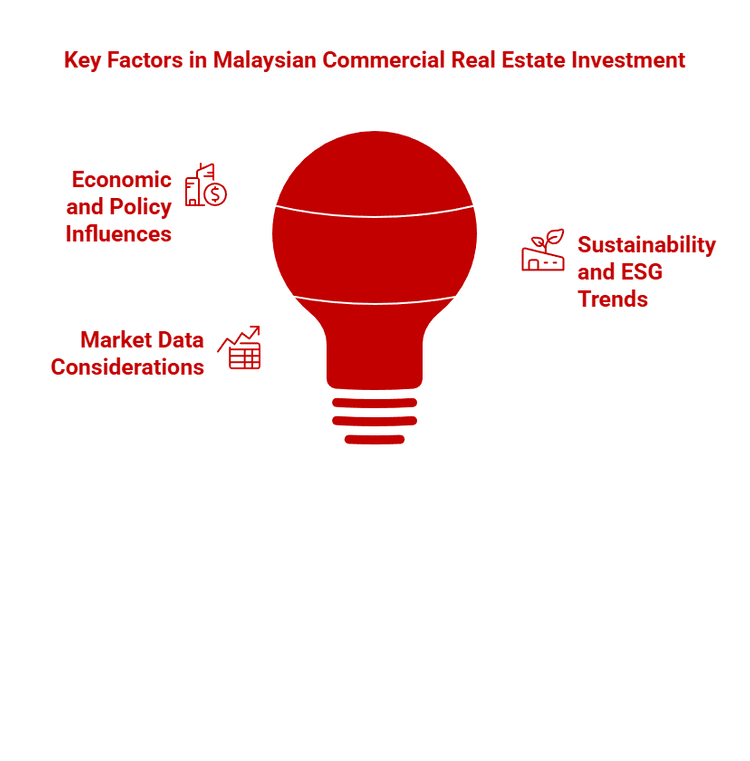
Investing in Malaysia’s commercial real estate market requires careful analysis of multiple elements that influence returns, sustainability, and long-term growth. Understanding these factors helps investors make informed choices in a dynamic market.
1. Economic and Policy Influences
Economic and government policies play a pivotal role in shaping the commercial property landscape. Investors must consider these aspects carefully:
- Government Initiatives: The Visit Malaysia Year 2026 (VMY2026), ongoing infrastructure development, and urban renewal projects are expected to stimulate commercial property demand and improve investor confidence.
- Taxation Policies: Changes in Real Property Gains Tax (RPGT), stamp duty, and Employees Provident Fund (EPF) regulations can significantly influence investment decisions and returns.
- Interest Rates: Financing costs continue to impact investment yield projections, affecting both acquisition strategies and overall profitability.
Understanding these economic and policy factors allows investors to anticipate market shifts and plan for optimal investment outcomes.
2. Sustainability and ESG Trends
Environmental, social, and governance considerations are increasingly important in Malaysia’s commercial real estate market. Properties aligned with sustainability principles often deliver higher long-term value:
Buildings with ESG certifications or energy-efficient designs command higher rental premiums and attract long-term tenants. Sustainable office and retail properties are becoming essential for investors evaluating commercial real estate opportunities.
3. Market Data Considerations
Careful evaluation of market metrics is essential for identifying profitable opportunities:
- Vacancy rates, rental growth, and occupancy trends are crucial indicators of investment potential.
- Demand for Grade A offices and prime retail locations remains strong, reflecting tenant preferences for modern, well-located properties.
- Retail spaces integrated with lifestyle and transit-oriented developments typically perform better than standalone centres, providing stability and growth potential.
Analysing market data ensures that investors target properties with solid performance metrics, reducing risk and improving returns.
Investors who combine economic insights, sustainability trends, and market data are better positioned to make confident, profitable decisions in Malaysia’s commercial real estate market.
Investment Strategies for Commercial Real Estate in Malaysia 2026
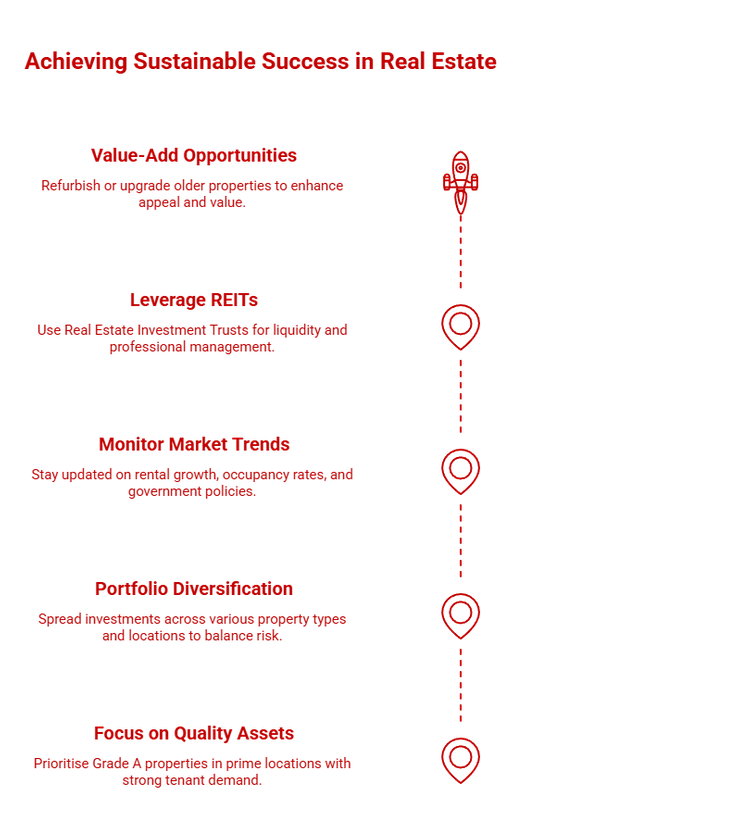
Navigating Malaysia’s commercial real estate market in 2026 requires a clear and informed strategy to achieve long-term growth and stable returns. Investors who adopt structured approaches can better manage risks while capitalising on emerging opportunities.
1. Focus on Quality Assets
Prioritise Grade A offices and retail properties in prime locations with strong tenant demand, modern facilities, and potential for rental growth. High-quality assets attract long-term tenants and ensure sustainable income streams in competitive markets.
2. Portfolio Diversification
Spread investments across office, retail, and mixed-use developments to balance risk, optimise returns, and take advantage of multiple market trends simultaneously. Diversifying property types and locations helps protect against sector-specific volatility and market downturns.
3. Monitor Market Trends
Stay updated on rental growth, occupancy rates, tenant preferences, and government policies that impact commercial property values and long-term performance. Regular market analysis allows investors to adjust strategies proactively and seize high-potential opportunities.
4. Leverage REITs and Structured Products
Real Estate Investment Trusts (REITs) and structured investment products offer exposure to commercial property without full ownership responsibilities, providing liquidity, diversification, and access to professional management. These instruments are particularly useful for investors seeking passive income streams.
5. Value-Add Opportunities
Consider refurbishing or upgrading older office or retail properties to meet modern standards, enhance appeal, and improve occupancy rates. Strategic improvements can significantly increase property value, attract high-quality tenants, and improve overall investment returns.
By focusing on quality assets, diversifying portfolios, monitoring trends, leveraging REITs, and pursuing value-add opportunities, investors can position themselves for sustainable success in Malaysia’s commercial real estate market in 2026.
Explore Property Guides in Malaysia
Access expert insights, tips, and step-by-step advice for commercial property decisions.
Hot Spots and Emerging Areas for Commercial Real Estate Investment in 2026
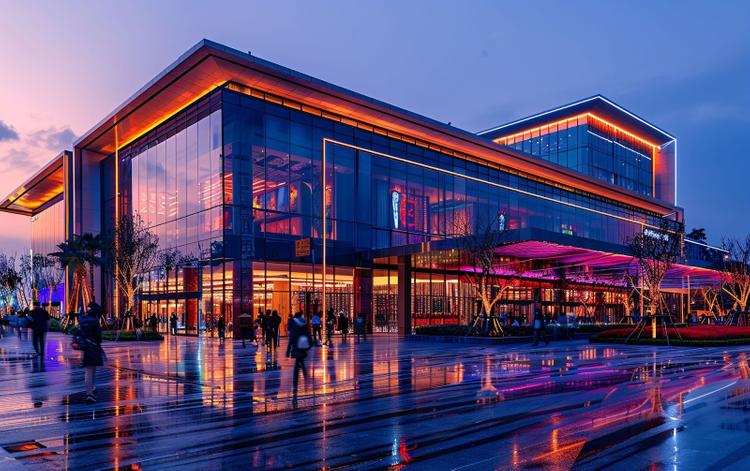
Investors seeking high-potential opportunities in Malaysia’s commercial real estate market should focus on locations offering strong demand, infrastructure connectivity, and long-term growth prospects. Identifying emerging districts ensures better returns and minimises investment risk.
- Kuala Lumpur: Golden Triangle, TRX, and Bukit Bintang remain top-tier office and retail hubs, attracting multinational tenants and offering consistently high rental yields in prime locations.
- Penang: George Town and Bayan Lepas benefit from industrial expansion, tourism growth, and increasing demand for modern office and retail space.
- Johor: Johor Bahru city centre and Iskandar Puteri show steady growth potential for mixed-use developments, supported by improved infrastructure and cross-border trade activity.
- Suburban Clusters: Areas along the New Klang Valley Expressway (NKVE), Damansara–Puchong Expressway (LDP), and Sungai Besi Expressway provide emerging office and retail opportunities for smaller-scale investors seeking affordable and high-growth potential locations.
Focusing on these hotspots enables investors to capitalise on high-demand areas while diversifying their portfolio. Strategic selection of emerging districts ensures stronger long-term returns in Malaysia’s dynamic commercial real estate market.
Technology & Innovation Impact on Malaysia’s Commercial Real Estate in 2026
In 2026, technology and innovation are transforming Malaysia’s commercial real estate sector. Modern office and retail spaces increasingly rely on smart systems to improve efficiency, tenant satisfaction, and long-term investment value.
- Smart Buildings: IoT-enabled systems monitor energy usage, enhance security measures, streamline maintenance, and optimise operational efficiency, ensuring lower operating costs and improved tenant comfort.
- Retail Tech: Contactless payment systems, digital signage, interactive customer experiences, and data-driven analytics help retailers increase engagement, sales, and overall footfall in commercial centres.
- Hybrid Office Solutions: Technology-enabled workspaces support flexible schedules, video conferencing, collaborative zones, and integrated digital management tools, catering to evolving hybrid work models and modern business needs.
Investments in technology-ready buildings not only enhance tenant experience but also often command higher rental returns and long-term asset appreciation. Staying ahead in technology adoption is essential for investors aiming to maximise value in Malaysia’s evolving commercial real estate market.
How Can Investors Manage Risks in Malaysia’s Commercial Real Estate Market?
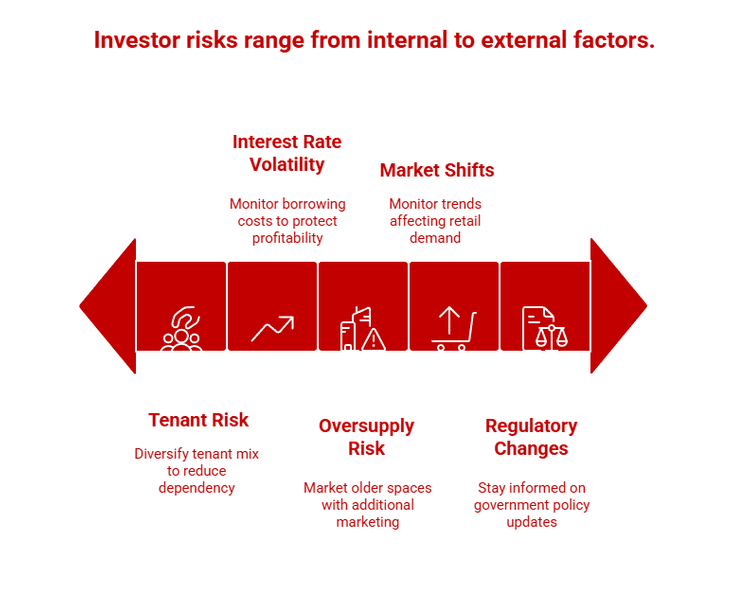
Effectively managing risks is essential for investors navigating Malaysia’s commercial real estate market in 2026. A proactive approach allows investors to protect capital, optimise returns, and make informed decisions in a dynamic market environment.
- Oversupply Risk: Secondary offices and older retail spaces may experience longer vacancy periods, reducing rental income and requiring additional marketing efforts to attract tenants.
- Interest Rate Volatility: Rising borrowing costs could impact investment profitability, making financing more expensive and affecting projected yields on commercial property investments.
- Tenant Risk: Diversifying the tenant mix across sectors and property types helps reduce dependency on a single tenant or industry.
- Market Shifts: Monitor trends such as e-commerce penetration and changing consumer behaviour, which may affect retail demand and leasing dynamics.
- Regulatory Changes: Stay informed on updates to RPGT, stamp duty, and other Government policies that can directly influence investment returns.
By understanding these risks and implementing mitigation strategies, investors can safeguard their portfolios, maintain steady cash flow, and optimise long-term performance in Malaysia’s commercial real estate market.
What Should Investors Expect in Malaysia’s Commercial Real Estate in 2026?
Malaysia’s commercial real estate market in 2026 presents both challenges and opportunities for investors. The office sector is favouring Grade A, ESG-certified, and transit-oriented properties, while retail spaces benefit from lifestyle integration, domestic spending, and tourism initiatives.
Investors should adopt a strategic, data-driven approach, balancing quality assets, diversification, and risk management to maximise returns in the evolving market. By understanding rental trends, vacancy rates, and emerging hotspots, investors can make confident decisions in Malaysia’s dynamic commercial real estate landscape.
Find prime land parcels ideal for business, development, and investment opportunities. View commercial land for sale on PropertyGuru Malaysia.
Disclaimer: The information is provided for general information only. PropertyGuru International (Malaysia) Sdn Bhd makes no representations or warranties in relation to the information, including but not limited to any representation or warranty as to the fitness for any particular purpose of the information to the fullest extent permitted by law. While every effort has been made to ensure that the information provided in this article is accurate, reliable, and complete as of the time of writing, the information provided in this article should not be relied upon to make any financial, investment, real estate or legal decisions. Additionally, the information should not substitute advice from a trained professional who can take into account your personal facts and circumstances, and we accept no liability if you use the information to form decisions.