


Many Malaysians are actively seeking investment opportunities that deliver steady, reliable returns in 2026. With rising living costs, cautious loan approvals, and property prices moving unevenly across regions, buyers want to be sure that any investment works hard for them. It is not just about buying property. It is about choosing one that can generate income consistently and support long-term financial goals.
This is why rental yield has become a key focus for investors. Rental yield helps you assess how much income a property can produce each year compared with its purchase price.
In 2026, rental performance is shifting, and returns are improving in several locations where demand is strong and supply is well balanced. Understanding these trends can help you invest with clarity and confidence.
In this article, you will discover where rental yield is rising in Malaysia, which property types offer stronger returns, and how to identify opportunities that match your financial strategy.
Explore High-Demand Rentals
See which rental homes are in demand and offer strong occupancy potential.
Rental Yield in Malaysia Today: The 2025 to 2026 Snapshot
The latest data shows that gross rental yields for apartments across Malaysia remain reasonably stable. As of Q3 2025, gross yields average around 5.19%.
Gross Yield vs Net Yield: What to Watch?
Gross rental yield is a helpful starting point. It simply divides annual rental income by purchase price.
But gross yield does not reflect real-world costs. To get a more realistic sense of returns, you need to allow for:
- Maintenance and repair costs.
- Property taxes or assessment rates.
- Management or agency fees (if any).
- Vacancy periods (months when the unit is empty).
- Financing costs or interest payments (if the property is mortgaged).
In many cases, after accounting for maintenance, vacancy, financing costs, and management fees, net rental yield can be 2-4% points lower than gross yield, so a 6% gross rental yield may translate into around 4-5% net yield, depending on expenses and loan structure.
Rental Market Trends Supporting Yield Stability
Despite economic headwinds and rising construction of high-rise units, rental demand remains steady in many parts of Malaysia.
In particular:
- Compact apartments and mid-sized units remain attractive to renters seeking affordability and flexibility.
- Demand from working professionals, families, and expatriates continues to support rental occupancy in many established cities and growth corridors.
What This Means for Investors
At a national level, gross rental yield offers a baseline: around 5% remains a reasonable benchmark in 2025-2026.
However, prudent investors should treat that figure as a starting point. Real returns depend heavily on property type, condition, location, financing, and ongoing costs.
In the next sections, we will explore which cities, property types, and segments offer the highest yield potential and how to evaluate them before investing.
Where Rental Yield Is Rising in 2026: City by City Analysis
Rental performance is not equal across Malaysia. Some cities are seeing stronger rental yields driven by tenant demand, expanding employment zones, new infrastructure, and balanced supply. Others are experiencing slower returns because of oversupply or weaker rental activity.
Understanding these differences can help investors focus on areas where returns are improving and risk is manageable.
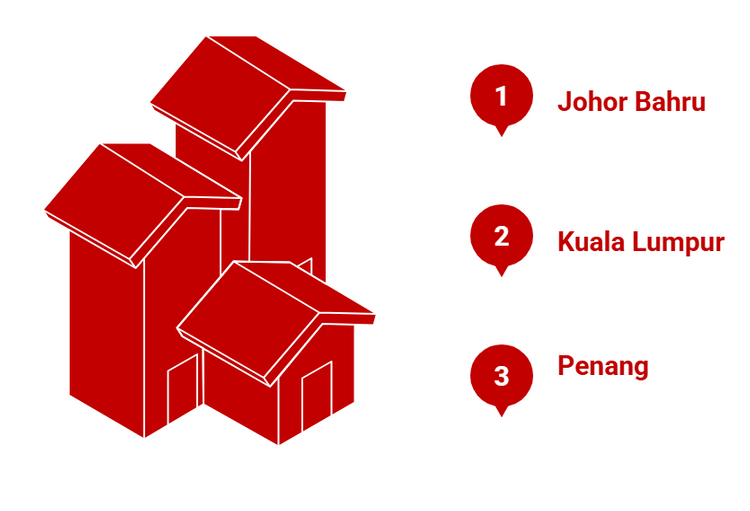
- Johor Bahru and the Southern Growth Corridor
Johor Bahru continues to be one of Malaysia’s strongest rental markets. Johor Bahru’s rental yields generally range between 5-7% for high-rise properties and serviced apartments. Smaller units and mid-range apartments near transport hubs and economic zones often achieve higher occupancy.
Growth corridors such as RTS Link areas, Medini, and Iskandar Puteri continue to attract long-term investment interest.
Typical rental yield patterns in Johor Bahru:
Condominiums / High-Rise
6-7%
City centre, RTS Link zones; strong tenant demand.
Serviced Apartments
6-7%
Medini, Iskandar Puteri; popular with expatriates and short-term tenants.
Landed Houses
4-5.5%
Tebrau, Kulai; moderate yields, family tenants.
Commercial Units
7-8%
Medini, Iskandar Puteri; high returns in active business zones.
Double-Storey Terraces
4-5%
Established suburbs; stable occupancy.
Rural / Outer District Properties
3-4%
Less demand; lower yields but affordable entry.
What Is Driving Rental Yield Performance in Johor Bahru
- Affordable purchase prices compared with Klang Valley
- Strong demand from cross border workers and professionals
- Growth in business and commercial activity in RTS Link and Iskandar zones
- High occupancy for compact units and mid-range apartments
- Infrastructure improvements enhancing connectivity and accessibility
Johor Bahru remains a key focus area for investors seeking strong rental yields with long-term potential. Well-located high-rise condominiums, serviced apartments, and mid-range units near commercial and transit hubs tend to deliver the most stable returns.
- Kuala Lumpur and Greater Klang Valley
Kuala Lumpur remains one of the most active rental markets in Malaysia. Rental yield in Kuala Lumpur ranges between 2.9-7%, depending on property type and location.
Mid-range apartments and compact units typically outperform luxury developments in terms of yield potential. Properties in areas with good transport links and strong employment access perform better than premium branded projects with higher prices.
Typical rental yield patterns in Kuala Lumpur:
Budget and mid market apartments
About 5-6.5%
Strong demand in accessible neighbourhoods.
Studio units and compact homes
About 5-7%
Higher occupancy near business hubs or universities.
Older high rise apartments
About 5% or more
Depends on maintenance quality and location.
Premium units in KLCC and luxury branded developments
About 2-4%
High prices reduce yield despite strong rent.
Short term rental units
Up to about 7%
Returns vary based on occupancy and tourism activity.
What is driving Kuala Lumpur’s rental yield performance
- Strong rental demand from city tenants who prioritise convenience and lifestyle.
- Public transport access, especially near MRT, LRT and Monorail stations, influences occupancy.
- Compact units are favoured as more affordable options for young professionals and small families.
- Higher competition for premium units, leading to slower rental movement and tighter margins.
Investors who focus on value rather than branding are more likely to find stable returns in Kuala Lumpur. Compact units, well-maintained older buildings, and mid-range condominiums located close to train stations tend to offer better rental performance compared with premium-priced developments.
- Penang and Northern Strategic Zones
Penang remains a strong rental market in Malaysia, supported by industrial activity, logistics, and educational institutions. Rental yields in Penang typically range between about 5-6% for apartments and mid-rise condominiums.
Properties near industrial zones, tech parks, and educational hubs achieve stronger occupancy and more stable rental income. Growth in secondary cities like Seberang Perai also offers opportunities for investors with lower capital outlay.
Typical rental yield patterns in Penang:
Mid-rise Condominiums
5-6%
George Town, Bayan Lepas; close to business and tech hubs.
Studio / Compact Units
5-6.5%
Near universities or city centre; high demand from young professionals.
Older High-Rise Apartments
5%
Established neighbourhoods; moderate prices, stable tenants.
Landed Houses
4-5%
Suburban areas; family tenants, lower rental yield.
Serviced Apartments
6-6.5%
Bayan Lepas, tech park zones; popular with expatriates and short-term tenants.
Short-Term Rentals
Up to 6.5%
Tourist-friendly zones; occupancy can fluctuate with seasonality.
What Is Driving Rental Yield Performance in Penang
- Strong industrial and logistics sector supporting workforce housing.
- Proximity to tech parks, universities, and business districts.
- Affordability compared with the Klang Valley, attracting both locals and expatriates.
- Compact and mid-range apartments are preferred by tenants, supporting stable occupancy.
- Secondary cities provide a lower entry cost but reasonable rental returns for investors.
Penang continues to offer balanced rental yields for investors looking for stable income. High-demand mid-rise units, studio apartments near commercial or educational hubs, and serviced apartments near tech zones tend to provide the best returns.
- Secondary Cities and Emerging Zones
Secondary cities and emerging zones in Malaysia offer opportunities for investors seeking affordable entry. Cities like Ipoh (Perak) have recorded rental yields for apartments in the range of about 4.7-5.3%.
Rental demand in these cities is more localised compared with Kuala Lumpur or Penang. Yields are influenced by affordability, property type, and proximity to employment hubs. Smaller or compact apartments tend to achieve better rental returns than larger or luxury units.
Key points investors should note:
- Secondary cities offer lower entry prices compared with major urban centres.
- Rental demand is driven by local employment and economic activity.
- Compact apartments and smaller units tend to achieve higher occupancy.
- Infrastructure improvements, including highways and transport links, are gradually increasing accessibility.
Secondary cities provide affordable entry points and steady rental potential. Investors focusing on compact apartments near employment hubs and improving infrastructure are likely to see more consistent returns.
Property Types and Segments Offering Strong Rental Yield in 2026
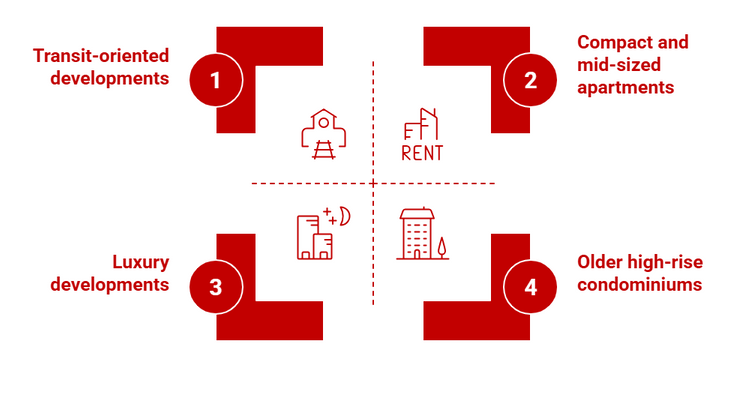
Not all properties deliver the same rental yield. In 2026, certain property types and segments stand out for investors seeking consistent returns. Understanding which types of units attract tenants and maintain occupancy is essential for maximising rental performance.
Key property types driving rental yield:
- Compact and mid-sized apartments – Studio and one-bedroom units in well-connected locations remain highly popular. They are affordable, flexible, and easy to rent.
- Transit-oriented developments – Apartments near MRT, LRT, or major highways tend to attract tenants prioritising convenience, supporting higher occupancy and yield.
- Older high-rise or mid-range condominiums – These often offer better yield than luxury developments because purchase prices are lower relative to rental rates.
- Purpose-built or build-to-rent developments – Units designed for long-term rental tend to provide predictable returns and consistent occupancy.
Why these types perform better in 2026:
- Smaller units are in demand among young professionals, expatriates, and small families.
- Transit accessibility and proximity to employment hubs increase rental desirability.
- Lower purchase prices compared with luxury units help gross rental yield remain attractive.
- Purpose-built rental projects reduce vacancy risk and often come with professional management.
Investors should prioritise well-located, affordable units with strong tenant demand. While luxury and oversized units may command higher rents, their high purchase prices often compress rental yield.
Key Factors Affecting Rental Yield in Malaysia 2026
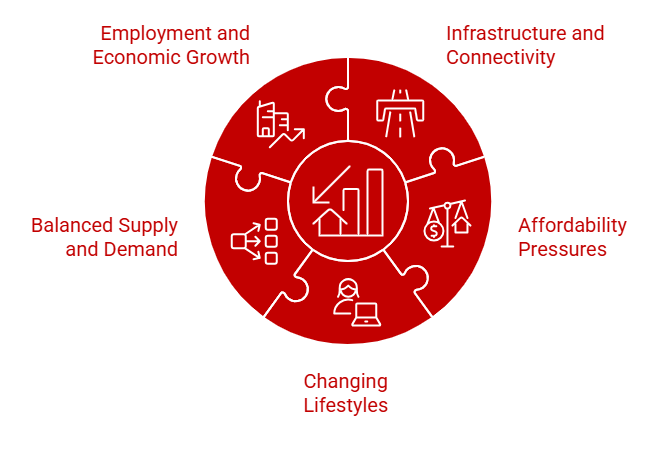
Several factors are shaping rental yields across Malaysia in 2026. Investors who understand these dynamics can make more informed decisions and target properties with stronger income potential.
Key drivers of rental yield in 2026:
- Infrastructure and connectivity improvements – Properties near new highways, MRT/LRT stations, or upgraded transport networks tend to attract more tenants.
- Affordability pressures – Rising property prices in major cities have increased demand for smaller, compact units and mid-range apartments, supporting higher yields.
- Changing lifestyles and tenant preferences – Young professionals, small families, and expatriates increasingly prefer affordable, flexible units close to work or education hubs.
- Balanced supply and demand – While new housing stock continues to be added, demand in well-located areas remains strong, helping maintain rental returns.
- Employment and economic growth – Cities or districts with expanding business, industrial, and tech hubs experience consistent rental demand, supporting steady occupancy and yield.
Investors focusing on location, unit size, and tenant appeal are more likely to achieve sustainable rental income. Understanding the local dynamics of each city and property type helps in predicting potential rental performance.
Risks and Considerations for Investors in 2026
While rental yield opportunities exist, investors need to be aware of potential risks. Understanding these factors can help protect investment returns and prevent unexpected losses.
Key risks to consider:
- Net yield reduction – Gross yield does not account for maintenance, management fees, taxes, vacancy, or loan interest. Actual returns can be significantly lower.
- Oversupply – In certain areas, especially high-rise apartments, oversupply can depress rental rates and increase vacancy periods.
- Location-specific demand fluctuations – Secondary cities or emerging zones may have weaker rental demand than major urban centres. Returns are more dependent on local employment and economic activity.
- Economic or regulatory changes – Policy shifts, interest rate hikes, or economic downturns can impact tenant affordability and occupancy rates.
- Tenant expectations and property conditions – Tenants increasingly demand well-maintained units with modern amenities. Poor maintenance can reduce occupancy and rental value.
Tips to mitigate risks:
- Prioritise properties with proven tenant demand and good location.
- Include contingency for vacancy and maintenance costs when calculating net yield.
- Consider professional property management to maintain the condition and attract tenants.
- Track market trends and upcoming infrastructure projects to anticipate changes in demand.
By factoring in these considerations, investors can make informed decisions and focus on properties that deliver sustainable rental returns in 2026.
Estimate Your Home Budget
Use our Home Loan Calculator to estimate monthly repayments.
What Should Property Investors Know About Rental Yield in 2026?
Rental yield remains a crucial metric for investors in Malaysia. Understanding current trends, city-specific performance, and property types can help you make smarter investment decisions in 2026.
Key takeaways for investors:
- Focus on location – Cities and districts with strong tenant demand, accessibility, and infrastructure improvements tend to deliver more stable returns.
- Choose the right property type – Compact apartments, mid-sized units, and purpose-built rental developments generally offer better rental yields than luxury or oversized units.
- Consider affordability vs yield – Entry price affects net returns. Smaller, well-priced units often achieve a higher yield relative to purchase cost.
- Balance risk and reward -Evaluate potential oversupply, vacancy risk, and maintenance requirements before committing.
- Long-term perspective – Property investment for rental income should be viewed as a steady, long-term strategy rather than a short-term profit play.
By applying these insights, investors can focus on properties that align with their budget, risk tolerance, and income goals. Understanding local dynamics ensures more predictable cash flow and long-term value appreciation.
How Can You Make the Most of Rental Yield Opportunities in 2026?
Investing in property for rental income can be rewarding if you focus on the right locations, property types, and tenant demand. Understanding where rental yield is rising helps you avoid low-return areas and make informed decisions.
Keep an eye on compact apartments, mid-sized units, and properties near transit or employment hubs. These tend to offer more stable occupancy and predictable returns. Plan your investment carefully and consider financing options to maximise net yield.
For more property insights, market trends, and practical tips, visit the PropertyGuru Guides section. Still looking for high-yield investment opportunities? Browse the latest properties in Malaysia now and compare potential returns.
Disclaimer: The information is provided for general information only. PropertyGuru International (Malaysia) Sdn Bhd makes no representations or warranties in relation to the information, including but not limited to any representation or warranty as to the fitness for any particular purpose of the information to the fullest extent permitted by law. While every effort has been made to ensure that the information provided in this article is accurate, reliable, and complete as of the time of writing, the information provided in this article should not be relied upon to make any financial, investment, real estate or legal decisions. Additionally, the information should not substitute advice from a trained professional who can take into account your personal facts and circumstances, and we accept no liability if you use the information to form decisions.