


The Overlooked Step in Property Handover
In the property journey, the moment of key handover is often seen as the final chapter, whether concluding a tenancy or completing a sale. Landlords prepare for new occupants, tenants move on to their next home, and transactions are considered closed.
Yet, beneath the surface of what appears to be a completed handover lies a commonly overlooked detail: the electricity account.
Many property owners and tenants assume that once keys are returned or possession is transferred, their responsibilities end. Utility ownership does not automatically change with physical occupancy. Without formal action, the electricity account often remains under the previous account holder’s name that will be creating potential exposure long after vacating the property.
When Assumptions Turn into Liabilities
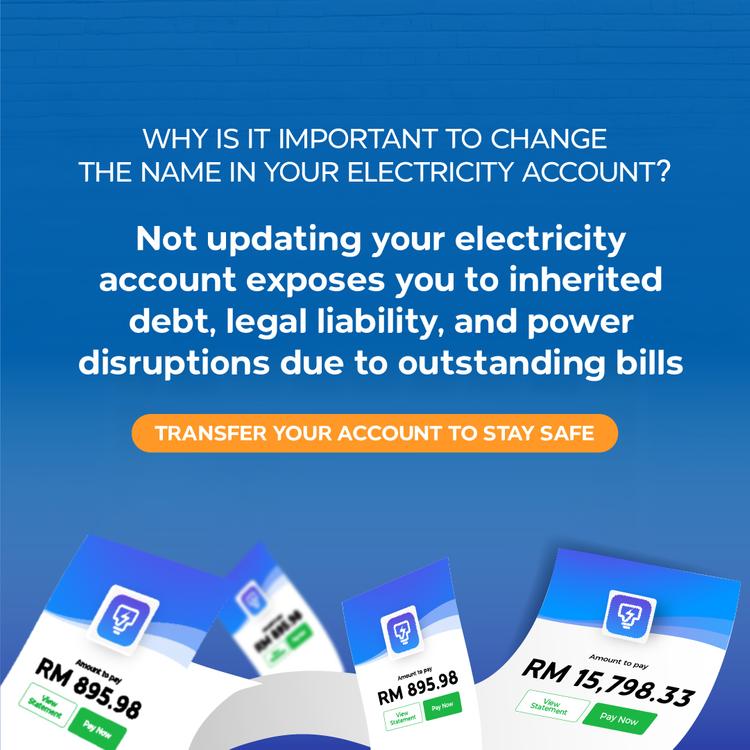
Consider a typical scenario: a tenant vacates a unit, settles what they believe to be the final bill, and hands the keys back to the landlord or property manager. Months later, an unexpected notice arrives such as outstanding charges, penalties, or even legal implications tied to the same account.
This situation is not uncommon in the Malaysian property landscape, particularly in rental markets with frequent tenant turnover.
The risks can escalate beyond minor administrative inconvenience:
- Accumulating unpaid bills
Electricity usage continues under the previous account holder’s name, leading to mounting charges that they are still legally responsible for. - Exposure to misuse or illegal activities
In more serious cases, issues such as meter tampering or unauthorised usage may occur like placing liability on the registered account holder. - Landlord tenant disputes
Ambiguity around utility ownership often leads to conflicts, particularly when responsibilities are not clearly transferred or documented during handover.
For property investors managing multiple units, or landlords operating at scale, these risks can translate into operational inefficiencies, financial leakage, and reputational concerns.
Utility Management: A Critical Part of Asset Protection
In today’s increasingly professionalised property market, utility account management should be treated as an integral component of asset protection and tenancy administration, not an afterthought.
Just as Sale and Purchase Agreements (SPA), tenancy agreements, and defect liability periods are carefully managed, utility responsibilities require clear closure or transfer to ensure full disengagement from the property.
Failing to do so creates a gap between physical and legal responsibility that can have lasting implications.
The Solution: Formalising Responsibility with COT and COA
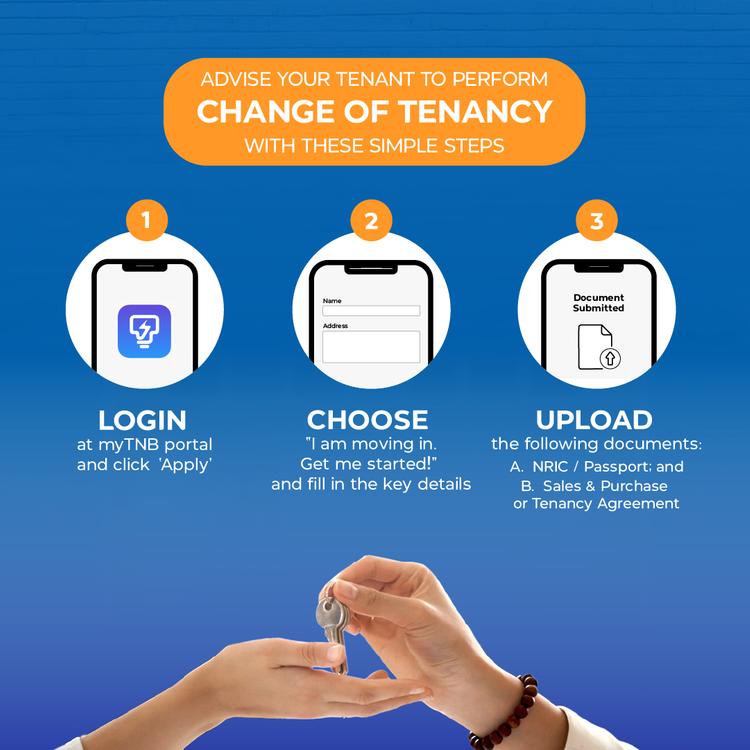
To address this, property owners and tenants can rely on two essential processes:
- Change of Tenancy (COT)
Enables a seamless transfer of the electricity account from the current holder to the incoming occupant to ensure continuity of service while clearly reassigning responsibility. - Close of Account (COA)
Terminates the existing account entirely, ensuring no further liabilities are tied to the previous holder once the property is vacated.
Both processes are designed to be straightforward and accessible, aligning with the growing demand for digital convenience in property management.
Through the myTNB mobile application or online portal, users can:
- Complete submissions digitally without physical branch visits
- Provide minimal supporting documentation
- Receive confirmation of transfer or closure for record-keeping and dispute prevention
For landlords, integrating these steps into standard operating procedures during tenant turnover can significantly reduce risk exposure. For tenants, it provides peace of mind that all obligations have been formally concluded.
A Small Step That Makes a Significant Difference
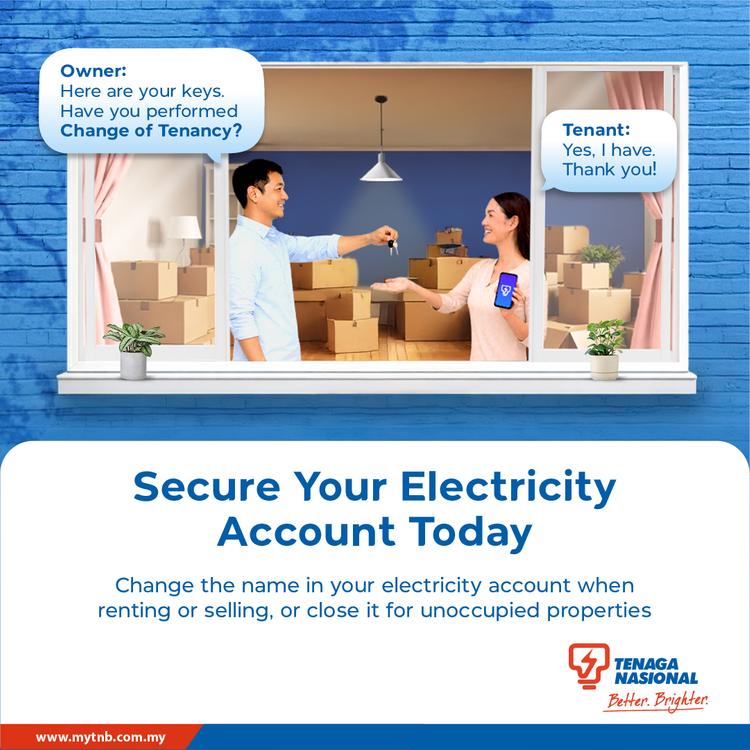
In a market where attention is often placed on capital appreciation, rental yield, and location advantages, administrative diligence can sometimes be underestimated.
However, the management of utilities, particularly electricity accounts, plays a crucial role in ensuring a clean and complete exit from any property.
The key takeaway is simple yet critical:
Responsibility does not end with moving out, it ends only when the account is formally transferred or closed.
As Malaysia’s property ecosystem continues to evolve, so too must the standards of property management and ownership practices.
Whether you are a landlord safeguarding your investment, a tenant ensuring a smooth transition, or an investor managing a portfolio, taking proactive steps in utility account management is no longer optional but essential.
Because in property, true completion is not just about handing over keys. It is about closing every loop including financial, legal, and operational with clarity and certainty.
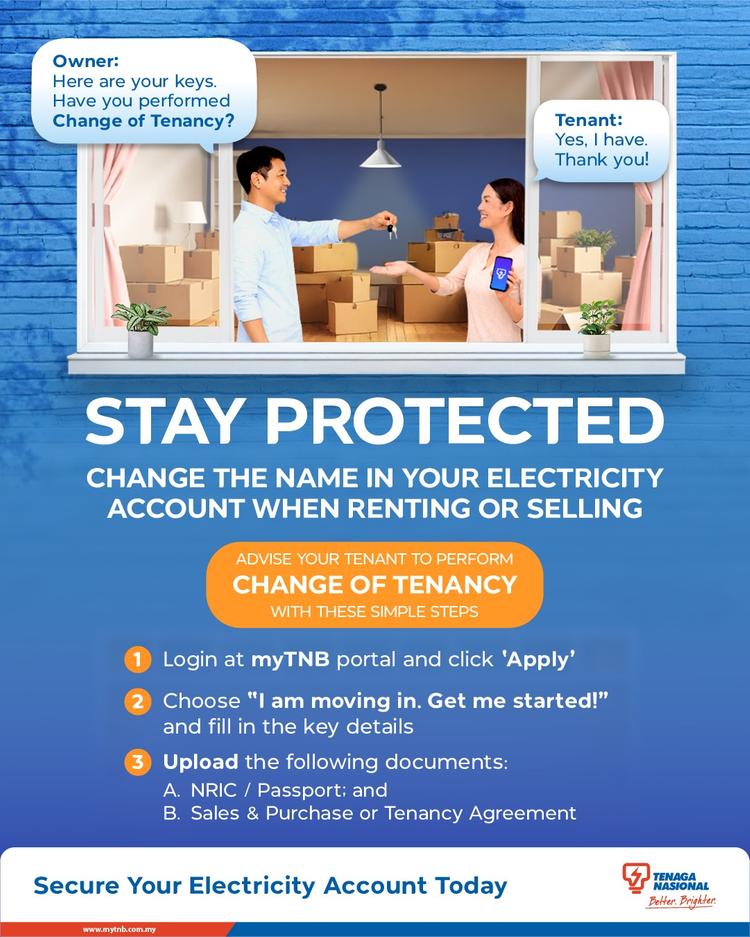
For more information about the simplified process of Change of Tenancy or Close of Account, please visit https://www.mytnb.com.my/residential/get-electricity/change-of-tenancy
Keep Track of New Launches
Visit our new launches page to find the new launch project of your dreams and submit an enquiry today.

Disclaimer: The information is provided for general information only. PropertyGuru International (Malaysia) Sdn Bhd makes no representations or warranties in relation to the information, including but not limited to any representation or warranty as to the fitness for any particular purpose of the information to the fullest extent permitted by law. While every effort has been made to ensure that the information provided in this article is accurate, reliable, and complete as of the time of writing, the information provided in this article should not be relied upon to make any financial, investment, real estate or legal decisions. Additionally, the information should not substitute advice from a trained professional who can take into account your personal facts and circumstances, and we accept no liability if you use the information to form decisions.