

Malaysia’s property market continues to evolve in 2026 as more buyers, tenants, and investors seek flexible living arrangements that match changing work and travel patterns. Serviced apartments and short term rentals are now moving into a new growth cycle, supported by rising tourism numbers, growing digital nomad communities, and a broader shift towards hybrid living.
At the same time, serviced apartments, which offer hotel-like facilities with residential comfort, have become a preferred option for one to nine-month stays, business travellers, and extended-stay tourists.
While traditional long-term rentals remain relevant, the appeal of the short-term rental segment is unmistakable. Flexible lease terms, fully furnished homes, and strategic locations near transport hubs have encouraged both local and international tenants to seek more adaptable accommodation options.
This shift opens new opportunities for property owners and investors seeking to expand rental income in 2026.
Find Serviced Apartments for Rent
Browse high-demand serviced apartments available across top Malaysian cities.
What Defines a Serviced Apartment and a Short-Term Rental?
As serviced apartments and short-term rentals continue gaining traction in Malaysia, many buyers and investors are wondering what truly sets these two property types apart. Understanding their differences helps you decide which option aligns better with your lifestyle, investment goals, or rental strategy.
- Serviced Apartment
A serviced apartment is a fully furnished residential unit that offers hotel-like services, such as housekeeping, security, front-desk support, and sometimes facilities like a gym or pool.
Key traits:
Key traits:
- Long-term stay friendly (monthly or yearly)
- Managed by a professional operator
- Includes utilities and services in the rent
- Often located in mixed-use developments or city centres.
- Short-Term Rental (STR)
A short-term rental is a residential unit rented out for a short duration, usually daily or weekly, through platforms like Airbnb or Booking.com.
Key traits:
Key traits:
- Designed for tourists, business travellers, and temporary stays
- Flexible pricing depending on demand
- Managed by individual owners or third-party operators
- Regulated differently across Malaysian states and developments
By understanding how serviced apartments and short-term rentals differ in management, flexibility, and purpose, buyers and investors can make clearer decisions in 2026’s evolving property market. Choosing the right option ultimately depends on your long-term goals, budget, and preferred level of involvement.
What Factors Are Driving Malaysia’s Short-Term Rental Demand in 2026?
The steady recovery of international tourism is driving short-term rental demand in Malaysia in 2026. Digital nomads seek flexible one- to nine-month stays and a growing interest in hybrid travel that blends work and leisure.
Domestic travellers also favour short stays in well-connected urban locations. Business travellers prefer the space and convenience of serviced apartments over traditional hotel rooms. Together, these trends create sustained demand for short-term rental accommodation across key Malaysian cities.
- Tourism Recovery And Growth
Malaysia’s tourism sector has steadily recovered since international borders reopened, with Tourism Malaysia projecting strong visitor arrivals in 2026. This creates sustained demand for non-hotel stays, especially in Kuala Lumpur, Penang, Johor Bahru, and Kota Kinabalu.
Tourists increasingly prefer homes that offer privacy, larger floor areas, and access to kitchen facilities, particularly for extended stays.
- The Rise Of Remote Work And Digital Nomads
Remote work trends have encouraged more people to travel while staying professionally active, leading to a surge in digital nomads choosing Malaysia as a long-stay destination.
Many of them stay between one to nine months and prefer serviced apartments for their reliable internet, dedicated workspaces, and easy access to daily conveniences.
Malaysia’s relatively affordable cost of living further boosts its appeal as a regional hub for remote workers, strengthening demand for flexible, long-term accommodation options in 2026 and beyond.
- Hybrid Travel Behaviour
Travellers in 2026 often blend business and leisure, creating longer booking durations. This benefits short-term rentals over hotels as these tenants prioritise fully functional homes.
Serviced apartments offer amenities such as washing machines, kitchenettes, and living rooms, allowing guests to settle in comfortably for extended stays.
- Domestic Travel And Weekend Stays
Local travellers also contribute significantly to the market. With ongoing interest in city breaks, event-based travel, and staycations, many Malaysians increasingly choose short-term rentals for their affordability and convenience.
Short-term rentals are set to be a top-performing accommodation segment in Malaysia for 2026, with strong demand across major cities and travel hubs.
Why Serviced Apartments Are Entering a New Growth Cycle in 2026
Serviced apartments are entering a new growth cycle in 2026 as travel demand strengthens, hybrid work becomes more common, and tenants increasingly prefer flexible, fully furnished homes.
Their hotel-like facilities, practical layouts, and strategic locations near key commercial districts and transit lines make them well-suited for stays of one to nine months.
With travellers seeking comfort and convenience at competitive rates, serviced apartments have become a preferred option for both short-term rental guests and mid-term corporate tenants, supporting renewed market momentum this year.
- A Balanced Alternative To Hotels
Serviced apartments provide hotel-standard facilities while offering more space at often more competitive rates. This appeals to families, medical tourists, and travellers seeking convenience without sacrificing comfort. For investors, the hybrid nature of these units opens opportunities to cater to both short-term and long-term renters.
- Facilities That Match New Travel Lifestyles
Facilities such as yoga decks, co-working lounges, and rooftop social spaces cater well to modern guests. Newer developments offer digital access control, integrated security systems, parcel lockers, and lifestyle amenities that support guests who require both comfort and practicality.
- Strategic And Transit-Oriented Locations
Projects near MRT and LRT stations, commercial districts, and employment hubs enjoy stronger occupancy. Serviced apartments located near MRT (Kajang Line), MRT (Putrajaya Line), or LRT (Kelana Jaya Line) stations attract tenants who value seamless mobility.
- Growing Interest Among Younger Investors
Younger buyers in 2026 increasingly view serviced apartments as an entry point into real estate investment, given lower entry prices than landed homes and the potential for short-term rental yields.
As lifestyle needs evolve and travel patterns shift, serviced apartments are well-positioned to capture rising demand in 2026, making them one of the most promising segments for both homeowners and new-generation investors.
Which Malaysian Cities Are Emerging as Short-Term Rental Hotspots in 2026?
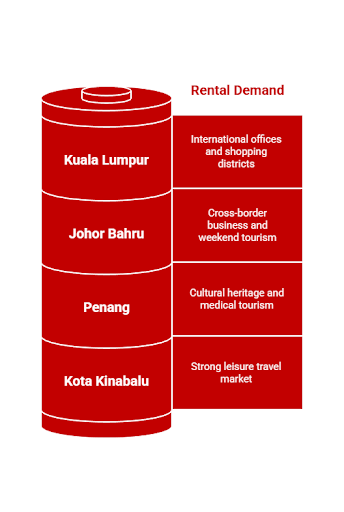
Malaysia’s short-term rental market is expanding across several key urban and tourism-driven locations. These cities attract a mix of business travellers, digital nomads, medical tourists, and leisure visitors, supporting steady demand for serviced apartments through 2026.
- Kuala Lumpur
Neighbourhoods such as KLCC, Bukit Bintang, Jalan Ampang, Bangsar South, and Mont Kiara remain top demand zones. International offices, embassies, shopping districts, and event venues draw steady flows of travellers. Serviced apartments here typically achieve high occupancy for short stays.
- Penang
George Town, Batu Ferringhi, and Tanjung Tokong benefit from tourism-driven demand. Penang’s cultural heritage and medical tourism also contribute to stable mid-term stays.
- Johor Bahru
Cross-border travellers from Singapore fuel short-term rental demand in areas near the Johor Bahru–Singapore Causeway. The city benefits from weekend tourism and business travel.
- Kota Kinabalu
Popular among leisure travellers, Kota Kinabalu remains a strong short-stay market due to its beaches, islands, and nature attractions.
With tourism growth, stronger connectivity, and evolving traveller preferences, these cities are set to remain Malaysia’s most active short-term rental hotspots throughout 2026 and beyond.
Transit-Oriented Growth: How Rail Connectivity Supports STR Performance
Transit-oriented developments located close to MRT, LRT, and monorail stations generate stronger rental demand. In Kuala Lumpur, the completion and expansion of rail lines enhance access to key commercial corridors, easing traffic congestion and improving overall mobility.
Short-term rental guests consistently prioritise quick access to transport over driving, especially business travellers and tourists unfamiliar with local routes.
Properties near stations such as Cochrane MRT station (MRT1), Tun Razak Exchange MRT station (MRT1) and Ampang Park LRT station (C3) often perform better in occupancy and rental stability. As public transport networks expand, transit-linked developments become more attractive for tenants seeking convenience in 2026.
These factors collectively explain why transit-linked properties outperform others, and the key benefits include:
- Higher Occupancy Rates: Properties near LRT, MRT and monorail stations attract more short-term guests due to easy city access.
- Premium Nightly Rates: Travellers are willing to pay more for stays within walking distance of rail stations.
- Appeal to Digital Nomads: Remote workers prefer transit-linked neighbourhoods for convenience and seamless mobility.
- Boost from Business Travel: Locations near major commercial districts and rail lines draw consistent mid-week corporate bookings.
- Better Long-Term Appreciation: Transit-oriented developments (TODs) have stronger rental resilience and capital growth potential.
- Improved Accessibility for Tourists: STR units near rail networks reduce transport costs and enhance travel convenience.
- Stronger Demand Around New Lines: New stations on the MRT Putrajaya Line, MRT Kajang Line, and LRT3 attract a fresh wave of tenants.
As Malaysia’s rail network continues to expand, transit-oriented locations will remain some of the strongest performers in the short-term rental market, offering investors higher occupancy, better yields, and long-term value growth.
What Regulations Should Investors Know Before Entering STR in 2026?
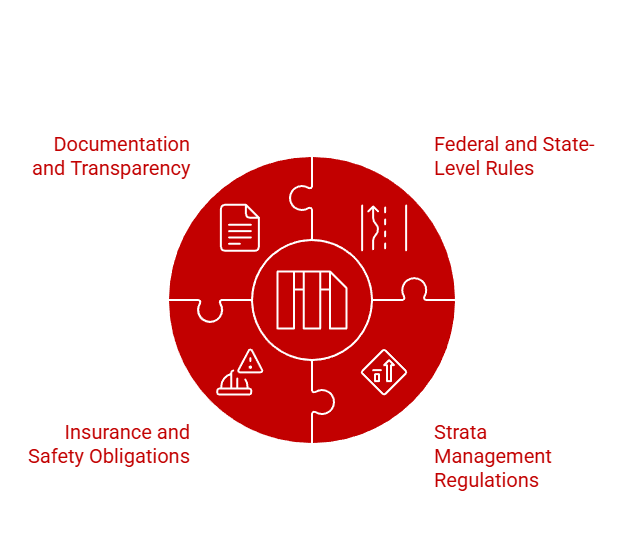
Short-term rental operations in Malaysia remain subject to a mix of federal guidelines, state policies, and building-level rules. As the market grows in 2026, investors should understand the regulatory environment to ensure smooth operations and avoid compliance issues.
- Federal And State-Level Rules
Malaysia does not have a fully unified national policy governing short-term rental, and regulations may vary across states. Requirements may involve local authority approvals, safety compliance, and potential licensing depending on the nature of the STR operation.
- Strata Management Regulations
In strata-titled buildings, the Joint Management Body or Management Corporation has the authority to allow or restrict short-term rental activities. Some buildings may implement dedicated blocks or floors for short stays, while others may impose strict prohibitions.
- Insurance And Safety Obligations
Owners operating short-term rentals must consider additional insurance coverage, including liability insurance and protection against damages caused by guests.
- Documentation And Transparency
Clear communication with management bodies, neighbours, and guests helps maintain smooth operations. Hosts should adhere to house rules and ensure guests understand the building’s regulations.
Are Serviced Apartments Still More Profitable Than Long-Term Rentals in 2026?
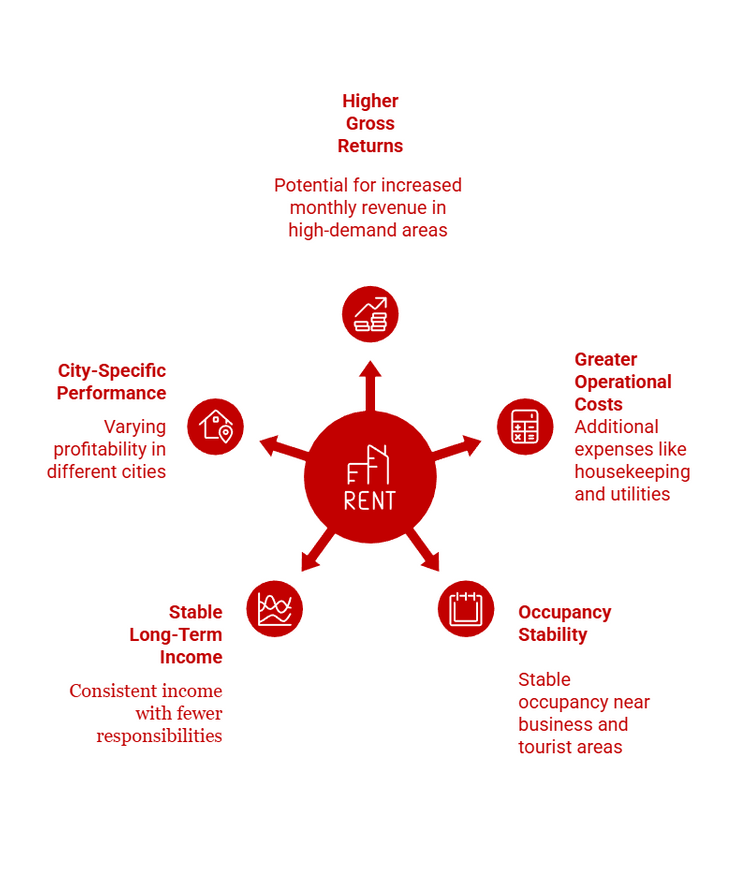
Serviced apartments continue to attract investors in 2026, especially those exploring short-term rental opportunities. However, profitability depends on location, occupancy, operational efficiency, and the type of tenant the unit attracts. Below are key factors that influence potential returns.
- Higher Potential Gross Returns
Short-term rentals generally generate higher monthly revenue than traditional long-term leases, particularly in high-demand areas. Serviced apartments in prime locations can achieve premium nightly or weekly rates due to their facilities and hotel-like features. - Greater Operational Costs To Consider
Higher returns come with additional expenses such as housekeeping, cleaning services, furnishing upkeep, utilities, digital platform fees, and guest turnover management. These must be factored into net yield calculations. - Occupancy Depends On Location And Market Cycles
Properties near business districts, MRT stations, medical hubs, or tourist areas tend to achieve more stable occupancy. Seasonal tourism or event-driven peaks can improve short-stay performance, while off-peak months may require flexible pricing strategies. - Long-Term Rentals Provide Stable, Predictable Income
Although long-term leases offer lower monthly returns, they provide consistent occupancy and fewer operational responsibilities. Investors who prefer lower involvement may still favour long-term rentals despite the lower yield. - Profitability Varies by City And Neighbourhood
In Kuala Lumpur, Penang, Johor Bahru, and Kota Kinabalu, serviced apartments with strong connectivity and lifestyle amenities often outperform long-term rentals. However, buildings with high density or restrictions on short-term stays may reduce STR competitiveness.
Serviced apartments can outperform long-term rentals in 2026, but their success depends on choosing the correct location, managing operating costs effectively, and adapting to shifting market demand.
What Do Tenants and Travellers Expect from Short-Term Rentals in 2026?
As travel patterns shift in 2026, guests increasingly prioritise comfort, flexibility, and everyday convenience when choosing short-term rentals. Serviced apartments that offer practical features and seamless digital experiences tend to attract higher occupancy and better reviews.
- High-Speed Internet And Stable Connectivity
Remote workers, digital nomads, and business travellers rely on fast, reliable Wi-Fi for video calls, online meetings, and daily tasks. Strong connectivity is often a deciding factor for stays longer than one week. - Self Check-In And Smart Access Systems
Smart locks, digital keypads, and contactless check-in options allow guests to arrive at any time without depending on a host. These features improve convenience and reduce administrative delays. - Functional In-Unit Amenities
Practical amenities such as washing machines, kitchenettes, microwaves, and basic cookware are essential for mid-term guests. These allow visitors to live comfortably without relying on frequent dining out or laundry services. - Clean, Well-Maintained Spaces
Guests expect clean, tidy units with reliable housekeeping standards. A well-kept interior and responsive host management influence ratings and repeat bookings. - Proximity To Public Transport And Daily Conveniences
Locations near MRT and LRT stations, supermarkets, cafes, and workplaces appeal strongly to both short and mid-term travellers. Walkability often enhances the overall guest experience. - Building Facilities That Enhance Comfort
Gyms, swimming pools, parcel lockers, and co-working lounges add value for guests seeking a balanced lifestyle. These facilities help differentiate serviced apartments from basic accommodations.
With travellers expecting greater comfort, convenience, and flexibility in 2026, short-term rentals that deliver strong digital experiences, practical amenities, and well-maintained spaces are best positioned to achieve higher occupancy and stronger reviews.
How to Choose the Right Serviced Apartment for STR in 2026
Selecting the right serviced apartment is crucial for achieving strong short-term rental performance in 2026. Investors should assess factors such as location, building policies, layout efficiency, and tenant expectations before committing to a purchase.
- Research The Neighbourhood
Review short-term rental performance in the area, including typical occupancy rates, traveller profiles, and nearby demand drivers such as offices, malls, healthcare centres, and tourist attractions. Established districts with stable footfall usually deliver more substantial returns. - Prioritise Transport Connectivity
Properties located near MRT, LRT, or monorail stations tend to attract more guests, especially business travellers and tourists who rely on public transport. Easy access to major expressways also enhances overall appeal. - Understand The Building’s STR Policies
Confirm that the Joint Management Body or Management Corporation permits short-term rental operations. Some developments may restrict STR to specific floors or blocks, while others may prohibit it entirely, affecting your rental strategy. - Assess Layout And Unit Size
Practical, efficient layouts, such as one- or two-bedroom units, often perform better for short stays. Guests value privacy, functional kitchens, and well-proportioned living spaces that support both work and leisure. - Evaluate Maintenance And Facilities
Buildings with well-maintained facilities, clean common areas, and responsive management teams generate better guest satisfaction. Amenities such as pools, gyms, parcel lockers, and co-working lounges can increase booking rates. - Inspect Furnishing Requirements
Short-term rentals require durable, modern furnishings to meet guest expectations. Comfortable beds, reliable appliances, strong Wi-Fi, and simple décor help increase positive reviews and repeat stays. - Analyse Potential Costs And Returns
Compare projected rental yields against expenses such as utilities, housekeeping, furnishing, and management fees. Ensure the expected nightly or monthly rates align with actual demand in the area.
Choosing wisely ensures stronger occupancy, better guest reviews, and more reliable STR returns in 2026.
Future Outlook: What to Expect Beyond 2026
The future of short-term rental in Malaysia appears promising, supported by robust tourism numbers, hybrid living trends, and foreign interest in extended-stay accommodation. Serviced apartments will remain relevant as they balance convenience, flexibility, and comfort.
However, regulation is expected to evolve further. Investors should monitor policy updates and management guidelines while adapting strategies to maintain profitability.
As lifestyle preferences continue to shift, serviced apartments that integrate smart features, co-working spaces, and transit accessibility will likely perform well beyond 2026.
The Future of Short-Term Rentals in Malaysia
Serviced apartments and short term rental in Malaysia are on track to experience continued momentum in 2026. The combination of improved tourism flows, a growing digital nomad segment, and evolving living preferences supports this growth. While the market offers strong opportunities, investors must also remain aware of building rules, operational costs, and changing regulations. With careful planning, strategic location selection, and proper understanding of tenant expectations, serviced apartments can deliver competitive returns and meet the needs of modern travellers.
For more insights into Malaysia’s evolving rental landscape and investment strategies, browse the PropertyGuru Guides section.
Ready to explore opportunities? Check out Malaysia’s latest rental listings and find a serviced apartment that fits your investment or lifestyle needs for 2026.
Disclaimer: The information is provided for general information only. PropertyGuru International (Malaysia) Sdn Bhd makes no representations or warranties in relation to the information, including but not limited to any representation or warranty as to the fitness for any particular purpose of the information to the fullest extent permitted by law. While every effort has been made to ensure that the information provided in this article is accurate, reliable, and complete as of the time of writing, the information provided in this article should not be relied upon to make any financial, investment, real estate or legal decisions. Additionally, the information should not substitute advice from a trained professional who can take into account your personal facts and circumstances, and we accept no liability if you use the information to form decisions.