

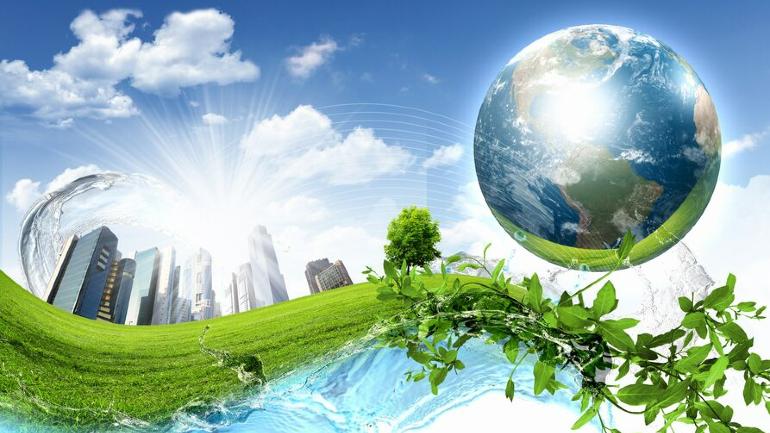
The natural world that we depend on is deteriorating faster than we thought. Just look at city life where the hustle and bustle of urban living have created all kinds of environmental issues, including various pollution, climate change, and worse of all, global warming.
All these are caused by the millions of vehicles on the streets, uncontrollable building operations, imbalance in population growth, as well as neverending constructions and developments.
With so many severe ongoing environmental problems, could we even begin to imagine what would happen a few decades down the road?
Masks will be made mandatory not just because of infectious diseases, but also due to the level of toxicity in the air.
Villages and cities will be submerged underwater, and even the weather could begin to become erratic, causing changes we didn’t know could even occur (imagine snowfall in Malaysia!). It’s a scary thought indeed.
Most of us might have become too familiar with the busy city life that we’ve forgotten how peaceful and clean the smaller towns used to be.
Some may not be able to even feel the changes from added noises and air pollutants anymore. Which only means that the state of our life, and the planet as a whole, is very alarming.
What Is Happening To The World… And To Us?
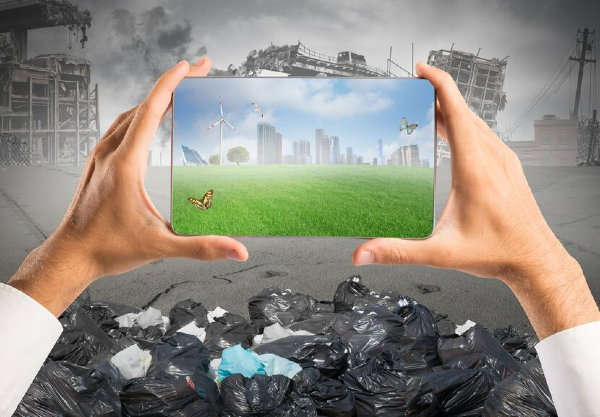
City life appeals to many as it could provide better work and education opportunities, as well as more comprehensive amenities and better social services that are hard to obtain (or are not available) in rural areas.
Take Vietnam, for example. About 200,000 people per year move to Ho Chi Minh City from surrounding towns and villages.
Macrotrends reported that with a population increase of 2.74% from the previous year, Ho Chi Minh is now the country’s largest city with 8.8 million people.
Malaysia is also among some of the most urbanised countries of East Asia, with a rapid increment in the urban population.
Over the past 10 years, the number has increased from around 70% in 2010, to 77% in 2020. Fun fact: The urban population in Malaysia was only at 26.8% in 1970!
On that same note, the United Nations (UN) has indicated that in just 10 years, between 2015 and 2025, 25% of the population in Southeast Asia’s main countries will make the mega-cities their home.
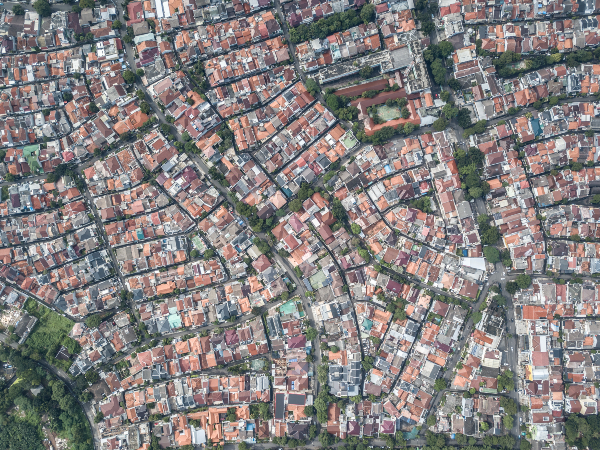
It is estimated that by 2025, 350 million people will be residing in cities. Now, do you realise that we have less than 4 years to reach that estimated number?
The number is mind-blowing, and with it, comes bigger challenges with long-term effects. Imagine how the crowded city life will be impacting our well-being and natural ecosystem at that time.
Can we be prepared to face the consequences of rapid urbanisation as we move forward? Even after years of discussing and preparing for a more sustainable and healthy lifestyle, we’re still overwhelmed by a lot of environmental challenges and problems.
It is frightening to see how some people are still taking this global issue very lightly. What can we do to get everyone to come together in solving environmental problems, and live more sustainably? The answer is…
We Must Raise Awareness And Take Action To Promote Sustainable Living!
There’s no doubt that news and stories on global environmental issues appear every single day. Especially now that we’re living in a digital world where everything is at our fingertips!
With that said, most of us have already known to a certain extent about the environmental challenges that are affecting life on earth.
Not only do we have Earth Day as the world’s largest environmental movement, there’s even a World Environment Day, an effort by the UN to inspire more people to take action in protecting our environment.
While it’s important to be aware of all the above, it’s more important to take the necessary actions to improve the world around us.
Though we might come across fake news and cyber fraud related to environmental and social programmes, there are always ways to make sure you don’t fall for them.
For instance, the citizens of Hanoi will organise a seminar to gather and share any best solutions obtained from around the world, specifically from the Asia Pacific region.
Meanwhile in Jakarta, the people have sued and won the battle against the Indonesian government to take serious measures in improving the quality of air.
What Are Some Of The Best Innovations To Look Up To?
In reality, the rapidness of urbanisation is the way forward for us to improve the standard of living. Therefore, what we really need is an intervention on how we plan cities and communities, as recommended by Hari Krishnan, CEO and Managing Director of PropertyGuru Group.
Sustainability is all-encompassing; we are not just talking about the physical environment, and it is more than just ‘Going Green’.
It’s the development of mindsets and lifestyles for more stable economics, and making education available for all, among other goals.
To provide a better sense of how we can minimise the impact of rapid urbanisation, Hari looked no further than to other developed countries, such as:
1) Los Angeles, United States
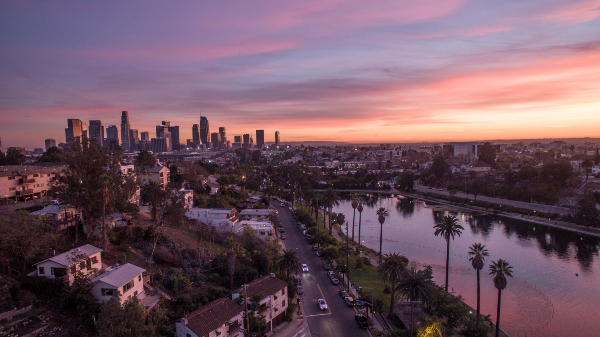
Mayor Eric Garcetti monitored the poorer communities with less-developed infrastructures, and found a causal relationship between the lack of bus shelters and the children’s inability to complete homework.
“Stretch this condition out over time and you’re able to see that there are poorer life outcomes for these children growing up in poorer communities,” Hari shared.
As such, mega-cities in the Asian region must seriously consider this matter, especially those with large populations of poorer people.
2) Tel Aviv, Israel
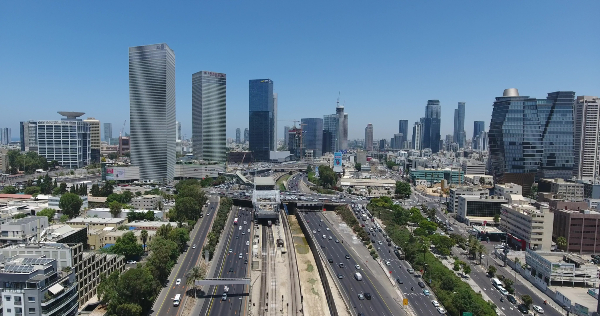
The government has collaborated with private corporations to operate the city’s public transportation via electric roads that are capable of powering public transportation.
With a plan to expand to other cities as well, the carbon footprint of the country could be reduced significantly in the near future.
3) Helsinki, Finland
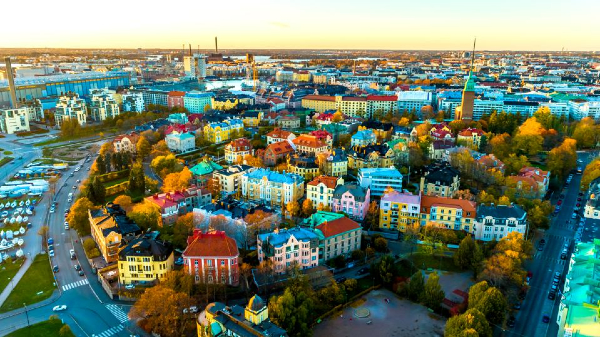
Here is another perfect example of an innovative method to deal with congestion and the issue of carbon footprints.
They have discovered a way to reduce heavy traffic by implementing the Whim MaaS (Mobility as a Service) app, which was so successful it inspired Belgium, England, Japan, and even Singapore.
The app allowed their citizens access to e-scooters, bicycles, self-driven cars, and public transportation like buses, taxis, and ferries on a single subscription service.
How Can Developers Play A Role In Making Living More Sustainable?
The concept of green buildings is not something new in the world of property development. In fact, we can see steps taken by some developers who want to obtain the status of ‘green building’ to show their support of environmental conservation.
PropertyGuru Tip
According to the World Green Building Council, a ‘green’ building is one that, "in its design, construction or operation, reduces or eliminates negative impacts, and can create positive impacts on our climate and natural environment. Green buildings preserve precious natural resources and improve our quality of life."
Many developers are also actively producing sustainable developments, in which they have allocated some space for greenery within the property area, including gardens.
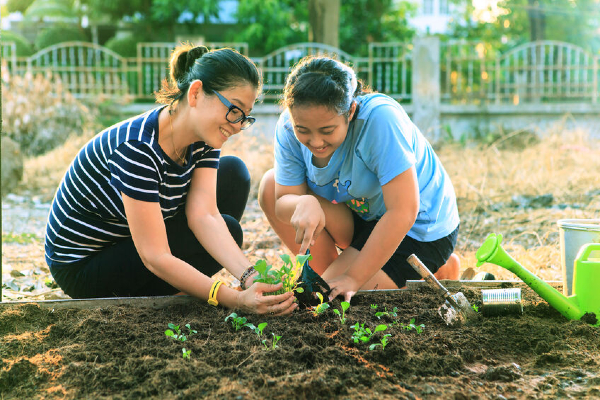
That is where residents are now able to grow their own vegetables, fruits, and herbs for food supply, which could help reduce mass agricultural production.
In addition to that, the real estate industry has also been transformed by cutting-edge technology. Some of the examples are:
- The use of digital apps for smart home technology so residents can control their water and energy supplies remotely. The residents will also get notifications if any of the appliances are not working properly.
- For tall buildings, Singapore is one of the countries where one property developer is using prefabricated methods to construct a skyscaper. This practice helps to ease noise and air pollution, while constructing the world’s tallest prefabricated tower upon its completion in 2026.
Nonetheless, we can’t just rely on the citizens and private developers in order to make our present and future living more sustainable.
Even if more homebuyers are seeking to buy green homes, they might not be able to afford the more expensive price tags.
The same goes for electric vehicles which would help in reducing emissions and improving fuel economy. They are just too expensive for most people to afford with a regular salary.
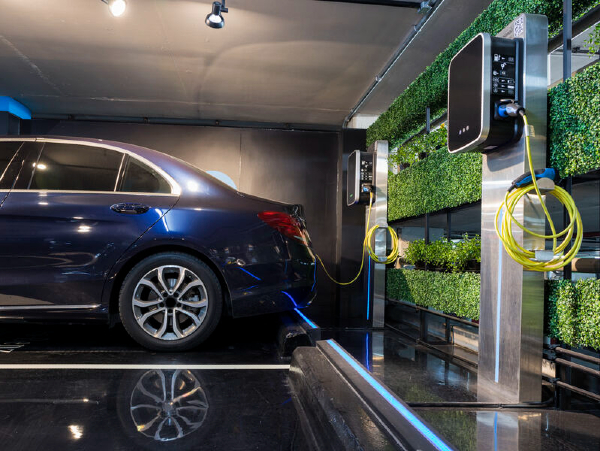
On these topics, Hari suggested for the government to introduce more policies such as subsidies that would allow citizens to move to greener products.
“You hear about green loans for developers so that they can build in a more sustainable manner, but how about green loans for property seekers who are actually willing to invest in these sustainably-built homes?” he added.
He also pointed out that there should be a policy change, where modular construction and buildings should opt for the prefabricated method to improve noise pollution and air quality.
There are, of course, more solutions to make our buildings greener including the optimisation of energy usage, waste management, and water resources.
Even though the impact of urbanisation on the environment like insufficient water availability, waste-disposal problems, and climate change is happening right now across the world, we still have time to save our planet.
All we have to do is put technology and resources to good use so we can start turning around and make the world a better place for us and our children.
Better Homes For The Future
We’ve always heard of the quote, “Everything starts from home”, so it just makes sense that eco-friendly or sustainable homes are becoming more important to people.
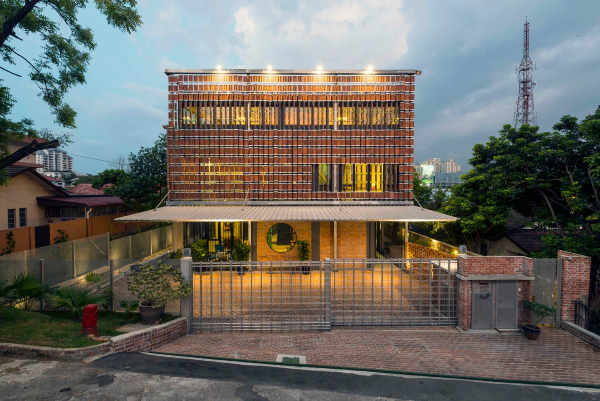
The semi-annual Consumer Sentiment Study by PropertyGuru Singapore found that respondents foresee they would be living in a sustainable home, even if it is more expensive.
Sustainable living is also important to Malaysians today, as found by the PropertyGuru Malaysia Consumer Sentiment Study H2 2021.
90% of Malaysians consider it important to live sustainably, 57% prioritise living in a location without owning a vehicle, and 3 out of 10 prefer a home designed to save electricity.
Hari shared that across Southeast Asia, many have chosen self-contained townships as their home. This is due to the well-designed environment that offers many benefits for community living, such as a wide range of amenities and good infrastructure within the vicinity.
He also highlighted how we have a great opportunity to improve our future homes in townships, because these are built through public infrastructure and private developers’ partnerships.
What this means is that, township living will always be complemented by functional infrastructure. The state of the world our children will be living in is now in our hands.
Is it not heartbreaking to leave the children with no clean water to survive, overly polluted air to breathe, extreme heatwaves, lack of beautiful marine life, and rampant waste dumping?
Just as Hari emphasised, “Many of us will live to see the cities of tomorrow, but all of our children will. We owe it to them to build the cities of tomorrow and not just replicate the cities of yesterday. Providing sustainable urban living solutions might well be the defining call to actions of our lives.”
So, remember, protecting this earth starts now, and with you!
Relevant Guides:
Disclaimer: The information is provided for general information only. PropertyGuru International (Malaysia) Sdn Bhd makes no representations or warranties in relation to the information, including but not limited to any representation or warranty as to the fitness for any particular purpose of the information to the fullest extent permitted by law. While every effort has been made to ensure that the information provided in this article is accurate, reliable, and complete as of the time of writing, the information provided in this article should not be relied upon to make any financial, investment, real estate or legal decisions. Additionally, the information should not substitute advice from a trained professional who can take into account your personal facts and circumstances, and we accept no liability if you use the information to form decisions.