

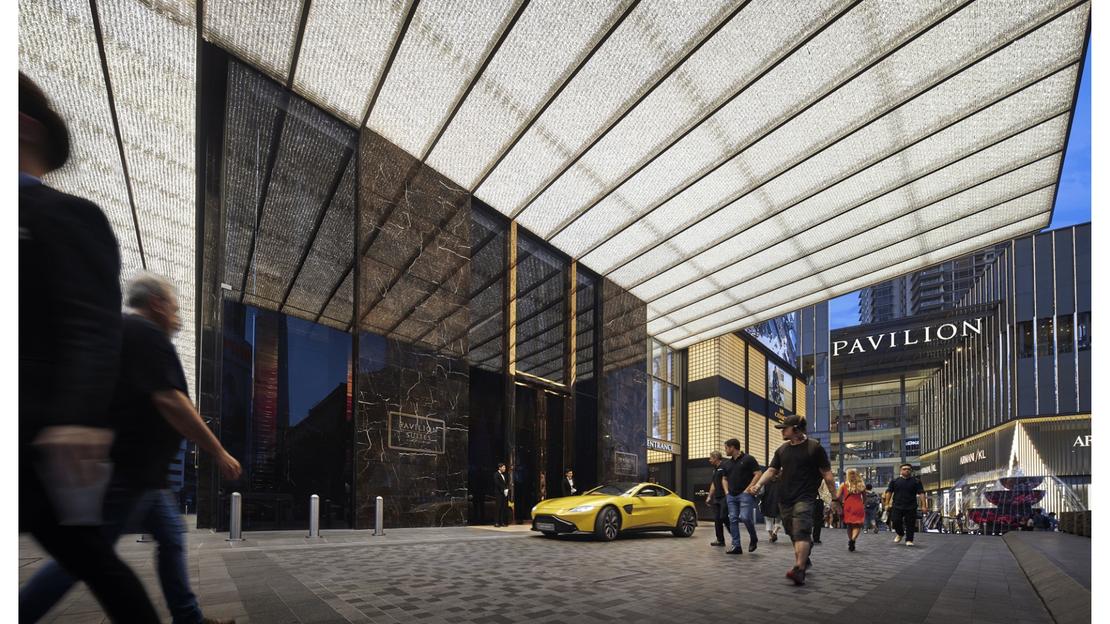
- Developer Pedigree as a Filter: Sophisticated investors prioritize the developer’s track record over unit layouts to ensure long-term asset resilience.
- Integrated Ecosystem Advantage: Residences attached to premier retail hubs like Pavilion KL and Pavilion Bukit Jalil benefit from sustained footfall and brand prestige.
- Asset Management Continuity: Dedicated management ensures that common areas and facilities maintain a "day-one" luxury standard, protecting resale premiums.
- Global Liquidity: Managed ecosystems attract an international buyer pool, supported by frameworks like MM2H, ensuring easier exits in the secondary market.
- The Flight to Quality: During economic downturns, branded and integrated assets hold value better than standalone developments due to their multi-layered utility.
The Developer as the Primary Underwriting Filter: Beyond the Unit Layout
Underwriting a developer is the process of evaluating the entity behind a project to mitigate long-term investment risk. While floor plans and finishes are aesthetic choices, the developer’s pedigree determines the asset’s trajectory over the next decade.
Sophisticated investors view the developer as the ultimate guardian of capital appreciation and liquidity. A developer with a history of integrated success ensures the building remains a living ecosystem rather than a decaying structure.
Choosing a developer with a proven management arm means investing in a curated lifestyle with enduring asset value appreciation. This strategic alignment between the builder and the resident ensures that the property’s prestige is defended through every market cycle.
Analyzing the Pavilion Track Record: Verifiable Proof of Execution

A developer’s track record is the most reliable predictor of future performance and operational excellence. Pavilion Group has established a benchmark in Malaysia for delivering large-scale, high-value integrated developments that redefine urban living.
The Pavilion KL Benchmark: A Decade of Asset Resilience
Pavilion Kuala Lumpur serves as a landmark mixed-use development and a defining retail destination in Bukit Bintang. It is widely recognized as one of Kuala Lumpur’s must-visit malls, particularly for visitors to the city, alongside KLCC.
The project’s first phase opened on 20 September 2007, following a construction period that began in 2004, with a total investment exceeding RM1.3 billion.
Directly integrated into this hub, the Pavilion Residences Kuala Lumpur were completed in 2009 by Urusharta Cemerlang, offering expansive living spaces ranging from 1,057 to 17,718 square feet.
Directly integrated into this hub, the Pavilion Residences Kuala Lumpur were completed in 2009 by Urusharta Cemerlang, offering expansive living spaces ranging from 1,057 to 17,718 square feet.
Bukit Jalil: Replicating the Integrated Ecosystem Model
Pavilion Bukit Jalil represents the modern evolution of the group’s integrated model, expanding the luxury footprint into secondary growth corridors.
This massive retail destination was completed and opened on 3 December 2021, spanning 1.8 million square feet of retail space.
It features unique cultural anchors, such as Malaysia’s first Tsutaya Bookstore, which serves to drive consistent footfall and maintain the area’s status as a premier lifestyle destination.
The Branded Ecosystem: Why Integrated Retail and Hospitality Drive Resale Premiums

A branded ecosystem is a residential development physically and operationally linked to high-end retail or hospitality brands. This synergy creates a "halo effect" where the prestige of the commercial anchor directly inflates the value of the residential units.
The Retail Synergy: How Footfall and Prestige Support Capital Growth
Integrated retail hubs provide a constant stream of high-net-worth footfall, ensuring the location remains relevant and desirable.
When a residence is attached to a premier mall, the convenience and lifestyle offerings act as a permanent value floor for the property.
Convenience
External travel required
Direct internal access
Brand Halo
Limited to building name
Shared with major retail brand
Tenant Demand
General market
High-tier corporate/expatriate
Hospitality-Grade Maintenance: Preserving the ‘New Building’ Feel
Hospitality-grade maintenance refers to a rigorous standard of upkeep typically found in five-star hotels.
By applying these standards to common areas and amenities, the developer ensures the building does not suffer from the aesthetic depreciation common in unmanaged properties.
This commitment to excellence preserves the "new building" feel, which is a critical factor for buyers in the secondary market.
Governance Beyond Handover: Sustaining Service Standards and Fees
Governance in real estate refers to the long-term management structures that oversee a property’s physical and financial health. Effective governance ensures that service standards remain high while sinking funds are managed responsibly for future upgrades.
The Role of Professional Asset Management in Strata Properties
Professional asset management involves the strategic oversight of a property to maximize its yield and longevity.
Unlike standard property management, asset management focuses on the financial performance of the building as a whole.
This includes vetting vendors, optimizing energy costs, and ensuring that the strata community adheres to high standards of conduct and maintenance.
Predicting Long-Term Service Fees and Sinking Funds
Predictable service fees are essential for investor transparency and long-term cash flow planning.
A developer with a history of managing integrated hubs can accurately project costs, preventing the sudden fee hikes that often plague poorly planned projects.
Robust sinking funds ensure that major repairs—such as elevator overhauls or facade repainting—are funded without requiring special levies from the owners.
Exit Confidence: Global Liquidity and the International Buyer Pool
Exit confidence is the certainty an investor has that an asset can be converted into cash quickly and at a fair price. In luxury real estate, this liquidity is driven by the international buyer pool, which seeks globally recognized brands and managed environments.
MM2H and Foreign Eligibility: Navigating the International Market
The Malaysia My Second Home (MM2H) program and current foreign ownership laws make integrated residences highly attractive to global citizens.
International buyers often gravitate toward Pavilion-branded assets because they recognize the name as a symbol of prestige, quality, and security within the Southeast Asian market.
This global recognition ensures that when it comes time to sell, the potential buyer pool is not limited to local demand but spans the entire globe.
Secondary Market Resilience: The ‘Flight to Quality’ During Downturns
A "Flight to Quality" occurs when investors move capital out of speculative assets and into proven, blue-chip properties during economic uncertainty.
Integrated residences hold their value better because they offer tangible utility—residents can live, work, and shop within a single, secure perimeter.
This multi-layered demand ensures that even in a down market, these assets remain highly liquid compared to isolated, standalone developments. Seamless connectivity to the MRT station is another important advantage, with direct access to KL Sentral (2 stops), Bukit Bintang (5 stops), and Tun Razak Exchange (TRX) Station (6 stops).
The Investor’s Due Diligence Checklist: Underwriting a Developer
Underwriting a developer requires a systematic audit of their past performance and future management commitments. Investors must look beyond marketing brochures to verify the operational reality of the developer’s portfolio.
Step 1: Auditing the ‘Finished’ Portfolio
Examine projects completed 5 to 10 years ago to see how well they have aged.
- Check the facade: Is it clean and well-maintained?
- Inspect the amenities: Are the pools and gyms fully operational and modern?
- Review the resale data: Have units in these older projects maintained their price premium?
Step 2: Evaluating the Integrated Anchor
An integrated anchor is the commercial component that drives the residential value.
Assess the quality of the retail tenants and the occupancy rates of the mall or office towers.
A thriving commercial anchor is the strongest insurance policy for your residential investment’s rental yield and resale value.
Step 3: Assessing Management Continuity
Determine who will manage the building after the final unit is sold.
Investors should prioritize developers who maintain a long-term stake in the project through a dedicated management arm. Continuity in management prevents the decline in service standards that often occurs when a developer hands over control to a third-party firm with no brand equity at stake.
Frequently Asked Questions for Sophisticated Investors
Investors require clarity on the operational and legal frameworks that protect their capital. These answers address the core concerns regarding management, ownership, and historical performance.
Who manages the building after handover?
Pavilion Group typically retains a management role through its professional asset management arms. This ensures that the lifestyle standards and maintenance protocols established at launch are sustained indefinitely, protecting the brand’s reputation and the owner’s investment.
Can foreigners buy Pavilion properties and what is the resale market like?
Yes, foreigners can purchase Pavilion properties provided they meet the minimum price thresholds set by the respective state governments. The resale market for these assets is characterized by high liquidity, as the Pavilion brand acts as a beacon for international buyers and expatriates seeking premium living standards in a prime location.
What exactly is Pavilion Group’s track record in residential appreciation?
Pavilion Group has a documented history of delivering capital growth through its integrated ecosystem model. By combining world-class retail with luxury residential, the group creates a high-demand environment where limited supply and high desirability naturally drive long-term price appreciation. Pavilion’s mall management team is a multi-award-winning team, and the strength of the mall helps support the performance of the residences, as seen in the Bukit Bintang area.
Final Verdict: Why the Developer is Your Exit Strategy
The developer’s brand and management philosophy are the ultimate determinants of an asset’s exit potential. In the world of luxury real estate, you are not just buying a unit; you are buying into a managed legacy.
Pavilion Group’s integrated residences offer a verifiable ecosystem of value, where retail excellence and hospitality-grade maintenance converge.
For the sophisticated investor, the decision to buy is a decision to trust a developer’s ability to preserve prestige long after the keys are handed over.
References
- en.wikipedia.org — https://en.wikipedia.org/wiki/Pavilion_Kuala_Lumpur
- en.wikipedia.org — https://en.wikipedia.org/wiki/Pavilion_Bukit_Jalil
- www.pavilion-kl.com — https://www.pavilion-kl.com/pavilion-kl-overview-and-factsheet/
- www.propertyguru.com.my — https://www.propertyguru.com.my/new-property-launch/reviews/pavilion-residences-kuala-lumpur-213343
CONNECT WITH US
CONTACT US
PAVILION DAMANSARA HEIGHTS KUALA LUMPUR
OFFICE: 013 331 8088
https://paviliondamansaraheights.com/
PAVILION DAMANSARA HEIGHTS KUALA LUMPUR
OFFICE: 013 331 8088
https://paviliondamansaraheights.com/
Keep Track of New Launches
Visit our new launches page to find the new launch project of your dreams and submit an enquiry today.

Disclaimer: The information is provided for general information only. PropertyGuru International (Malaysia) Sdn Bhd makes no representations or warranties in relation to the information, including but not limited to any representation or warranty as to the fitness for any particular purpose of the information to the fullest extent permitted by law. While every effort has been made to ensure that the information provided in this article is accurate, reliable, and complete as of the time of writing, the information provided in this article should not be relied upon to make any financial, investment, real estate or legal decisions. Additionally, the information should not substitute advice from a trained professional who can take into account your personal facts and circumstances, and we accept no liability if you use the information to form decisions.