

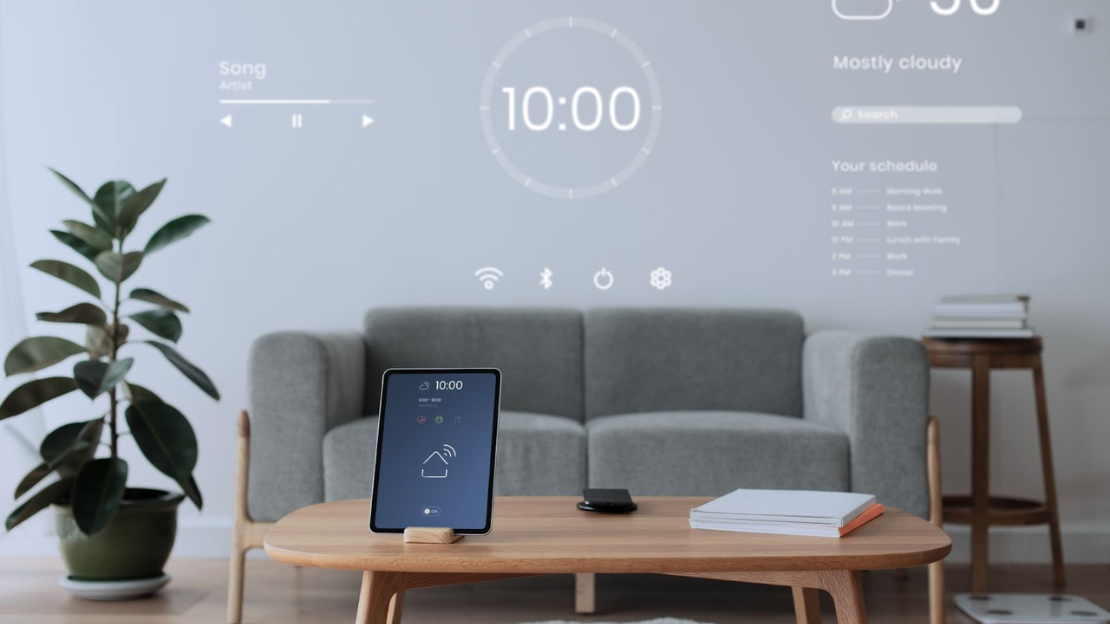
A smart home in Malaysia is no longer a futuristic concept reserved for luxury condominiums. By 2026, technological advancements, changing buyer expectations, and government initiatives will rapidly transform the property landscape.
From integrated home automation systems to energy-efficient solutions, smart homes offer enhanced convenience, security, and sustainability. Malaysian buyers are increasingly seeking properties that align with their modern lifestyle, digital connectivity, and environmental consciousness.
As the adoption of PropTech in Malaysia accelerates, developers are embracing innovative building systems, IoT devices, and intelligent infrastructure to meet these expectations. This article explores how technology and smart homes are reshaping real estate in Malaysia, providing insights for homebuyers, investors, and property developers alike.
Browse Condominiums in Malaysia
Find your ideal condominium with key details on location, size, and amenities.
Understanding Smart Homes and PropTech in Malaysia
A smart home in Malaysia integrates technology into the living environment to optimise convenience, security, energy management, and lifestyle comfort. It includes connected devices, automation systems, and smart infrastructure that communicate seamlessly, often controlled via smartphones, tablets, or voice commands.
PropTech Malaysia plays a crucial role in facilitating these transformations. Developers and property managers increasingly leverage digital tools for building design, predictive maintenance, and operational efficiency. Popular PropTech solutions in Malaysia include digital property platforms, virtual home tours, smart building systems, energy-efficient HVAC (Heating, Ventilation, and Air Conditioning) controls, and automated security systems.
Modern Malaysian smart homes also emphasise sustainability, with green energy monitoring systems, intelligent lighting, and water conservation features. As a result, homebuyers not only gain convenience and security but also reduce energy costs and minimise environmental impact.
Factors Driving Smart Home Adoption in Malaysia
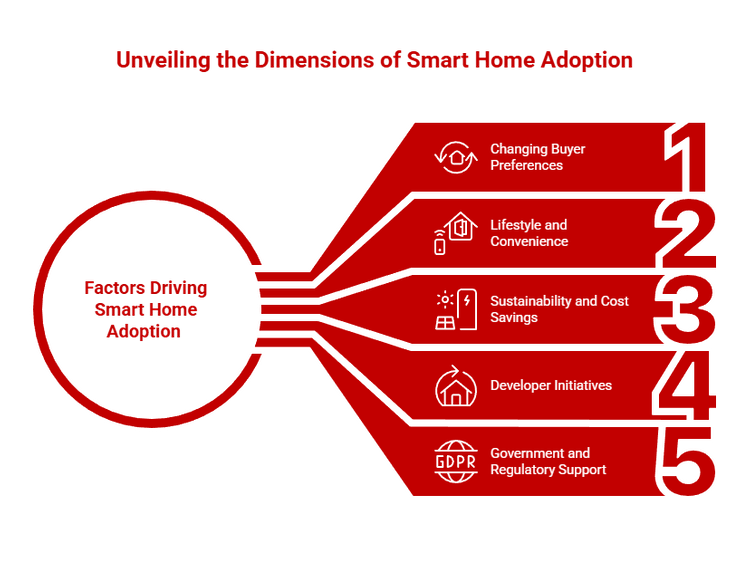
The growing adoption of a smart home in Malaysia is influenced by both demand-side and supply-side factors.
1. Changing Buyer Preferences
With hybrid and remote work becoming the norm, Malaysians increasingly value homes that support flexible living. Smart homes provide comfort, adaptability, and convenience, from climate-controlled environments to automated appliances.
2. Lifestyle and Convenience
Security remains a top priority. Smart locks, video doorbells, and app-controlled access offer peace of mind. Residents can also enjoy home automation, scheduling lighting, and remotely controlling appliances, aligning with modern, tech-driven lifestyles.
3. Sustainability and Cost Savings
Smart homes optimise energy consumption through smart lighting, thermostats, and solar integration, resulting in lower monthly utility bills. Environmentally conscious buyers find these features particularly appealing.
4. Developer Initiatives
Developers across Malaysia are embedding technology from the planning stage, ensuring homes are future-ready. By integrating smart building solutions, they attract tech-savvy buyers while adding value to their projects.
5. Government and Regulatory Support
Government initiatives promoting digitalisation and property transparency in Malaysia create an ecosystem conducive to smart-home adoption. Policies encourage data-driven real estate practices, supporting both developers and homeowners in embracing technology.
The adoption of a smart home in Malaysia is driven by evolving lifestyles, sustainability priorities, and supportive government policies. Together, these factors are shaping a property market where technology-enhanced living is increasingly expected and valued.
Property Buying Tips for Informed Decisions
Navigate the property market with confidence using practical advice and step-by-step guidance.
Smart Home Features Shaping Modern Living
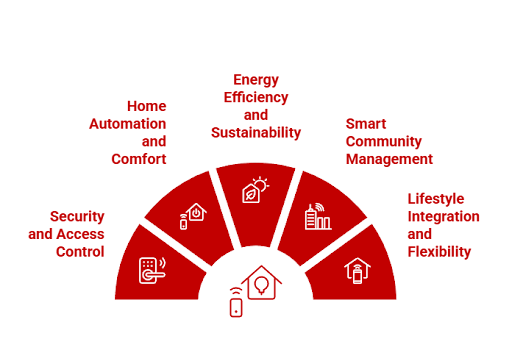
What do today’s smart homes in Malaysia offer? While offerings vary depending on developers, neighbourhoods and budgets, there is a growing list of common functionalities increasingly seen as standard, especially in new residential developments, gated communities or modern condominiums.
1. Security and Access Control
Smart homes bring enhanced security features: digital locks, biometric access systems, video doorbells, CCTV cameras, app‑based remote monitoring, and automated gate or lift access in secured developments. These systems allow homeowners to control and oversee who enters their home, even when they are away.
2. Home Automation and Comfort
Lighting, air-conditioning, curtains, and appliances can now be automated in a smart home in Malaysia. Residents can control devices via apps or voice commands, set schedules, or automate actions. For example, lights turn on upon arrival, air-conditioning switches off when rooms are empty, and coffee brews automatically in the morning.
3. Energy Efficiency and Sustainability
Smart homes offer energy‑management systems: smart meters, energy‑efficient lighting and cooling, appliance scheduling, and even integration with solar panels where available. These features help optimise electricity usage, reduce wastage, lower utility bills, and align with eco‑conscious living.
4. Smart Community and Building Management
Beyond individual units, smart homes increasingly form part of bigger smart community ecosystems. Building management systems can automate lift controls, common‑area lighting, security, maintenance notifications, and more. Some developments offer resident apps for booking facilities, managing visitor access, reporting maintenance issues, or getting building updates, improving efficiency and resident satisfaction.
5. Lifestyle Integration and Flexibility
Smart homes cater to varied modern lifestyles, from home offices to entertainment, from remote working to family living. IoT‑enabled entertainment systems, connected devices, flexible floor plans, automated climate and lighting, and remote access combine to deliver a versatile living environment that adapts to different needs over time.
These features make a smart home in Malaysia more than a collection of gadgets. They deliver a living experience built around convenience, efficiency, flexibility and security, meeting the needs of modern urban dwellers, young professionals, families and digital‑native buyers.
Impact of Smart Homes on the Real Estate Market
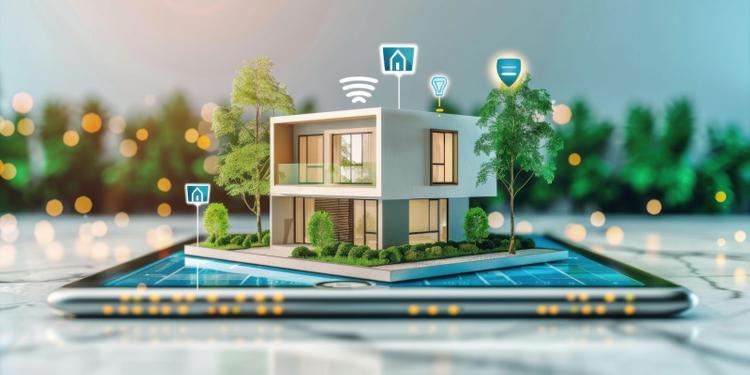
The rise of smart home in Malaysia is beginning to leave a strong mark on the real estate market, influencing buyer demand, property values, developer strategies, and long-term demand dynamics.
1. Market Growth and Forecast
Phoenix Research projects that the Malaysian smart-home market will grow from USD1.56 billion in 2025 to USD5.14 billion by 2033, at a CAGR of around 26.18%. Urban centres such as Kuala Lumpur, Selangor, and Penang lead adoption, but Tier‑2 cities are expected to grow fastest as affordability improves and smart-city initiatives expand.
Rising demand for integrated smart features suggests that homes with connected living capabilities will become more desirable, impacting both price and demand trends.
2. Buyer Demand and Value Premium
Homebuyers increasingly value energy-efficient features, smart lighting and cooling, security systems, and automation. Properties with integrated smart infrastructure can command a higher resale value and attract tech-savvy buyers or families seeking convenience. Smart-enabled homes often sell or rent faster, reflecting strong market demand.
3. Developer Behaviour and Project Differentiation
Developers are embedding smart-home technology from the design stage rather than offering it as an optional upgrade. Mid-rise and high-rise condominiums, gated communities, and new developments increasingly include IoT (Internet of Things) infrastructure, centralised automation, energy-efficient systems, and smart security. Smart-building systems also reduce maintenance costs, enable predictive upkeep, and improve operational efficiency for property managers.
4. Sustainability and Environmental Value
Energy-efficient lighting, cooling, smart meters, and renewable energy integration appeal to eco-conscious buyers and reduce utility costs. As sustainability becomes a priority, these features are likely to influence demand and property valuations, aligning with global and local trends toward greener living.
5. Market Segmentation and Accessibility
Falling hardware costs and wider IoT adoption are making a smart home in Malaysia more accessible beyond premium segments. As middle-income households adopt smart technology, connected living is set to become a standard expectation, transforming the real estate landscape in both urban and growing Tier‑2 cities.
Smart-home adoption is reshaping buyer expectations, property valuations, and developer strategies in Malaysia. Homes with integrated smart features now offer a market advantage through convenience, sustainability, and long-term value, driving the property market toward efficient, future-ready living.
Rental Opportunities of Smart Homes in Malaysia

Investors and homeowners looking at rental opportunities can benefit significantly from a smart home in Malaysia. Smart-enabled properties are increasingly attractive to tenants, offering convenience, security, and modern living features that standard units cannot match.
1. Higher Rental Demand
Tenants, particularly young professionals and expatriates in urban centres like Kuala Lumpur, Petaling Jaya, or Penang, increasingly prefer homes with smart features such as automated lighting, security systems, and app-controlled appliances. This leads to higher occupancy rates and reduced vacancy periods.
2. Rental Premiums
Properties equipped with smart-home technology often command higher rental rates compared with conventional units, especially in condominiums or high-rise developments in prime locations. Tenants value convenience, security, and energy efficiency, making smart homes a strong selling point for investors.
3. Long-Term Asset Value
Smart homes are future-ready investments. With rising demand for connected living and energy-efficient solutions, these properties may retain higher resale value and appeal to a broader market segment. Investors who embrace smart-home technology now can enjoy better long-term returns.
4. Simplified Property Management
For landlords, smart homes offer remote monitoring and management, including smart locks, surveillance, and energy monitoring. This reduces the need for frequent on-site checks, enhances tenant satisfaction, and streamlines property management.
Investing in a smart home in Malaysia can offer both lifestyle and financial advantages. With higher rental demand, potential rental premiums, and long-term value retention, smart homes are becoming a compelling option for investors seeking modern, profitable properties.
Discover Rental Properties in Malaysia
Browse rental options and compare neighbourhoods quickly and easily.
Challenges and Barriers in Smart Home Adoption in Malaysia
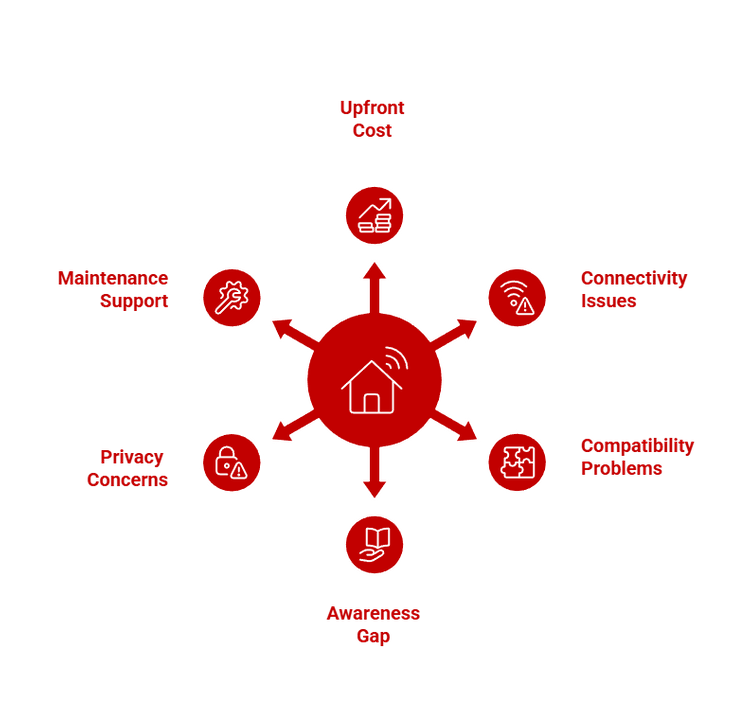
While the adoption of smart home in Malaysia shows promising growth, certain obstacles remain that buyers, developers and policymakers should consider carefully.
1. Upfront Cost and Affordability
Integrating smart-home systems, IoT devices, energy-efficient appliances, and automation adds to development and property costs. For many budget-conscious buyers, the early premium may be a barrier, especially when buying a home on a tight budget.
2. Digital Infrastructure and Connectivity
Smart homes rely on stable internet connectivity, IoT compatibility and network infrastructure. In areas outside major urban centres, connectivity may still be inconsistent, limiting the effectiveness and reliability of smart systems.
3. Standardisation and Compatibility Issues
Smart devices come from various manufacturers, using different standards or protocols. Without centralised systems, homeowners may face fragmented experiences, limited integration, or compatibility problems in the future.
4. Awareness and Buyer Education
Many potential buyers may still view smart‑home features as optional or luxury add-ons, rather than essential benefits. Lack of clarity about long-term benefits, energy savings, security, and convenience may slow adoption.
5. Privacy and Cybersecurity Risks
Connected devices collect data and may be vulnerable to security threats. Without proper safeguards, data encryption, secure networks, and regular updates, smart homes could pose privacy or security risks.
6. Maintenance and After‑Sales Support
Smart systems require maintenance, software updates, and occasional hardware servicing. Absence of reliable vendor support or local service providers may lead to issues over time, especially in older or remote developments.
Despite these challenges, many of them can be mitigated through policy support, industry standards, education, and proper planning. With growing demand and technology maturity, smart home in Malaysia have the potential to become more reliable, affordable, and mainstream.
Future Trends: What to Expect in 2026 and Beyond
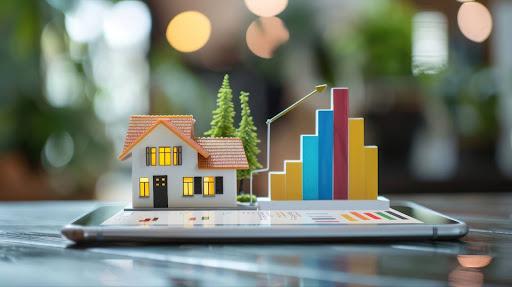
As we look toward the next few years, several emerging trends suggest that the smart home in Malaysia will evolve significantly, both in adoption and in how homes are designed, built and lived in.
1. Explosive Market Growth and Wider Adoption
The Malaysian smart-home market is projected to grow from USD1.56 billion in 2025 to USD5.14 billion by 2033, at a CAGR of around 26%. Falling device costs, broader IoT and 5G coverage, and improved digital infrastructure are driving adoption beyond luxury homes into mid-range and affordable segments.
2. Expansion Beyond Major Urban Hubs
While Kuala Lumpur, Selangor, and Penang remain adoption hotspots, Tier‑2 cities are expected to become the fastest-growing regions. As affordability and infrastructure improve, demand for smart homes will rise in emerging urban areas, creating new opportunities for buyers and developers.
3. Smart-City Integration and Community-Scale Solutions
A smart home in Malaysia will increasingly link with smart-city ecosystems, including energy grids, EV charging, waste and water management, and centralised estate control. This integration promotes resource efficiency, sustainable living, and community-level benefits.
4. AI-Driven Home Management
Future smart homes will anticipate resident behaviour using AI, adjusting lighting, climate, maintenance schedules, and energy usage. This “set-and-forget” experience benefits both homeowners and developers through lower operational costs and improved efficiency.
5. Energy Efficiency and Sustainability
Smart homes with energy-efficient lighting, solar integration, and smart HVAC systems will become standard. These features are expected to influence property values, attracting eco-conscious buyers and promoting sustainable living.
6. Digital-First Buyer Expectations
Tech-savvy buyers increasingly demand virtual tours, online transactions, and smart-home demos. Developers offering these features will have a competitive edge, as digital readiness becomes a core expectation.
7. Flexible and Hybrid Living Spaces
With remote and hybrid work continuing, smart homes will provide adaptable spaces, automated comfort settings, and integrated connectivity to support diverse lifestyles for professionals and families alike.
By 2026 and beyond, the smart home in Malaysia concept is likely to evolve significantly, from a desirable luxury to a mainstream expectation. Smart homes will redefine living standards, property value, and real estate dynamics in Malaysia.
Explore New Property Launches in Malaysia
Stay updated on the latest developments and upcoming projects across the country.
How Smart Homes Affect Buyers, Investors, Developers, and Policy-Makers?

As smart homes gain traction in Malaysia, various stakeholders, from homebuyers to investors, developers, and policy-makers, are experiencing distinct benefits and considerations. Understanding these implications helps each group make informed decisions in a rapidly evolving property market.
1. For Homebuyers
If you are looking for a property in 2026, a smart home in Malaysia offers tangible lifestyle benefits: convenience, security, energy savings, flexibility, and potentially, lower utility bills. Smart homes, especially those in developments with modern infrastructure and internet connectivity, offer long-term convenience and a more comfortable living experience.
For families, remote workers, and busy professionals, smart homes offer control over your home environment, even when you are away. Over time, the energy savings and efficiency could offset the initial cost premium.
2. For Property Investors & Renters
Investing in smart-enabled properties may offer better rental yields or resale value, as smart homes attract tech‑savvy, convenience‑seeking tenants or buyers. Demand for such homes is likely to rise, giving investors a competitive edge.
Smart-home properties also tend to stay in demand longer, with potentially shorter vacancy periods, thanks to convenience, security, and modern living benefits that resonate with younger generations and families.
3. For Developers and Property Managers
Incorporating smart home in Malaysia infrastructure at the planning and construction stage, rather than as optional upgrades, provides competitive differentiation. It allows developers to market properties as future-ready, energy-efficient, and lifestyle-oriented.
For property managers, smart building systems and automation translate to lower maintenance costs, predictive maintenance, better resource management, and improved resident satisfaction, making community management more efficient and sustainable.
4. For Policy-Makers and the Broader Ecosystem
Smart-home adoption aligns with wider national goals: improving urban living standards, enhancing sustainability, promoting digital infrastructure, and advancing smart‑city initiatives. Policy-makers can support this with incentives, regulatory frameworks, and infrastructure investments, making smart homes more accessible to a broader population.
For all stakeholders, the rise of smart home in Malaysia offers opportunities for enhanced convenience, efficiency, and value, while supporting broader goals of sustainability, digital infrastructure, and future-ready urban living.
Are You Ready for a Smart Home in Malaysia?
A smart home in Malaysia is no longer just a futuristic concept; by 2026, it will become a realistic standard for modern living. As technology advances, digital infrastructure improves, and buyer expectations evolve, homes that offer connectivity, automation, energy efficiency, security, and flexibility will increasingly define the property market.
For homebuyers, smart homes offer convenience, comfort, long-term value, and adaptability. For investors and property managers, they represent higher demand, better operational efficiency, and future-proof assets. For developers, embedding smart-home infrastructure offers differentiation and market relevance in a fast-changing landscape.
Quickly estimate your financing options and plan your property purchase with confidence. Use the Home Loan Calculator on PropertyGuru Malaysia.
Disclaimer: The information is provided for general information only. PropertyGuru International (Malaysia) Sdn Bhd makes no representations or warranties in relation to the information, including but not limited to any representation or warranty as to the fitness for any particular purpose of the information to the fullest extent permitted by law. While every effort has been made to ensure that the information provided in this article is accurate, reliable, and complete as of the time of writing, the information provided in this article should not be relied upon to make any financial, investment, real estate or legal decisions. Additionally, the information should not substitute advice from a trained professional who can take into account your personal facts and circumstances, and we accept no liability if you use the information to form decisions.