

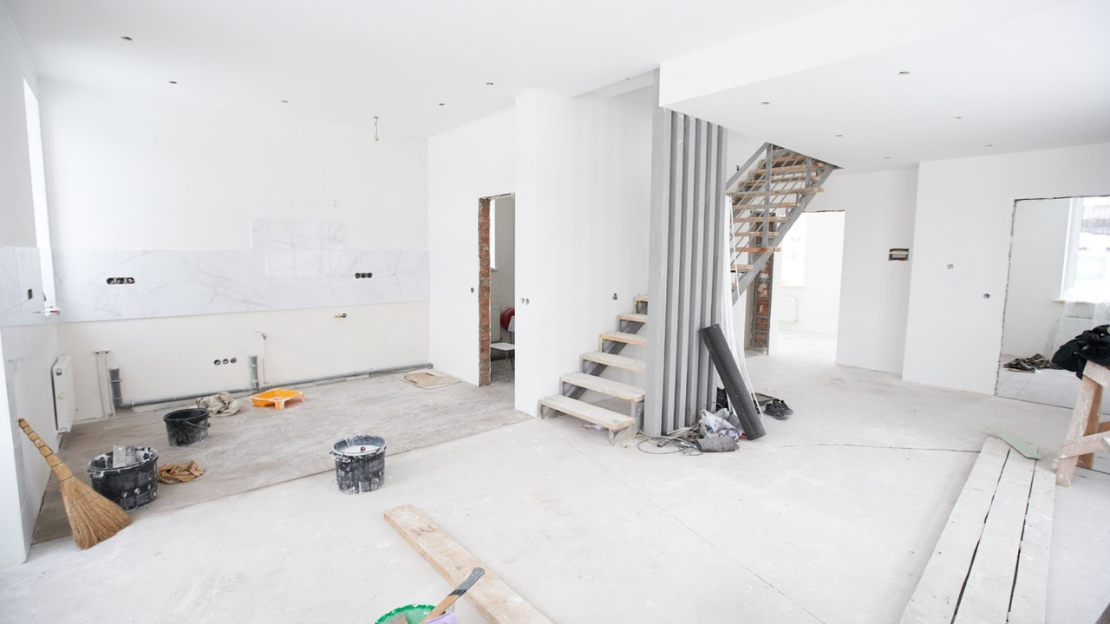
Thinking about giving your home a fresh start? Whether you are updating an ageing property, improving functionality, or preparing for a future sale, home remodeling has become one of the most effective ways for Malaysians to enhance comfort and long-term value. In recent years, demand for renovation services has risen, driven by changing lifestyles, smaller living spaces, and the growing popularity of smart-home features.
However, a successful remodel requires more than choosing new tiles or paint colours. It involves careful planning, realistic budgeting, and an understanding of what is permitted for your property type.
In this guide, we explain the key benefits of remodeling, the types of projects you can consider, and the essential steps to make the most of your home renovation.
Plan Better, Renovate Smarter
Estimate your renovation affordability before getting started.
Why Home Remodeling Is Worth Considering?
Many people start thinking about home remodelling when daily frustrations begin to add up, such as ageing fittings, cramped layouts, rising repair costs, or spaces that no longer work for their lifestyle.
A remodel helps you solve these issues early, improve comfort, and avoid more expensive problems in the long run.
1. Improve Comfort And Liveability
Wear and tear become harder to ignore over time. Loose tiles, leaking pipes, tripping circuits, and poor ventilation can affect safety and daily comfort.
Remodelling allows you to address these issues properly, rather than relying on temporary repairs. Even minor upgrades, such as better airflow, new lighting, or updated flooring, can make your home more comfortable to live in.
2. Personalise Your Space To Suit Your Needs
Many homes, especially older units, were built with layouts that do not align with modern living standards. If your kitchen feels too cramped, your wardrobes offer little storage, or your living area no longer suits your routine, remodelling provides an opportunity to restructure the space.
Built-ins, improved storage, and flexible room layouts help maximise compact Malaysian homes and ensure every part of your home is useful.
3. Update Your Home With Practical Modern Features
Older properties often struggle with outdated wiring, dim lighting, or energy-heavy appliances.
Remodelling provides the opportunity to upgrade to inverter systems, water-saving fittings, LED lighting, and safer electrical outlets. It also allows you to add practical technologies, such as smart locks, CCTV, or automated switches, without requiring additional hacking work later.
4. Strengthen Future Resale Value
Buyers tend to favour homes that require minimal renovation. A well-maintained kitchen, updated bathrooms, clean finishes, and reasonable storage solutions can make your home more appealing and easier to market.
Tackling essential improvements early helps maintain your property condition and supports a better resale position when the time comes.
A well-planned remodel helps you address existing issues, enhance daily comfort, and keep your home prepared for the future.
Types Of Home Remodeling Projects
Different homes require different levels of work, and understanding the type of project you are undertaking helps you plan more effectively. Whether you are refreshing a single room or restructuring the entire layout, knowing what is involved allows you to set realistic timelines, budgets, and expectations.
1. Basic Improvements
Basic updates focus on essential repairs and maintenance. These include fixing leaks, replacing faulty wiring, repairing cracked tiles, repainting walls, updating lighting fixtures, and improving ventilation.
Addressing these issues early prevents minor defects from turning into larger and more expensive problems. This type of work is ideal if your home is generally sound but needs functional touch-ups.
2. Minor Remodeling
Minor remodelling encompasses cosmetic or layout-related upgrades that do not involve major structural changes. Examples include new flooring, built-in carpentry, kitchen resurfacing, additional storage, feature walls, upgraded fixtures, and refreshed bathrooms.
These improvements can make a visible difference to your home and are suitable when you want a cleaner, more modern look without a complete overhaul.
3. Major Remodeling
Major projects involve more extensive changes to the structure or layout of your home. This may include hacking walls, shifting plumbing points, expanding the kitchen, adding rooms, replacing the roof, or reconfiguring wet areas.
These works require proper planning, relevant approvals, and professional supervision. They are best suited for older homes or properties that need significant functional improvement.
Identifying the type of work early helps you avoid delays and unexpected costs.
Planning Your Home Remodeling Project: Step By Step
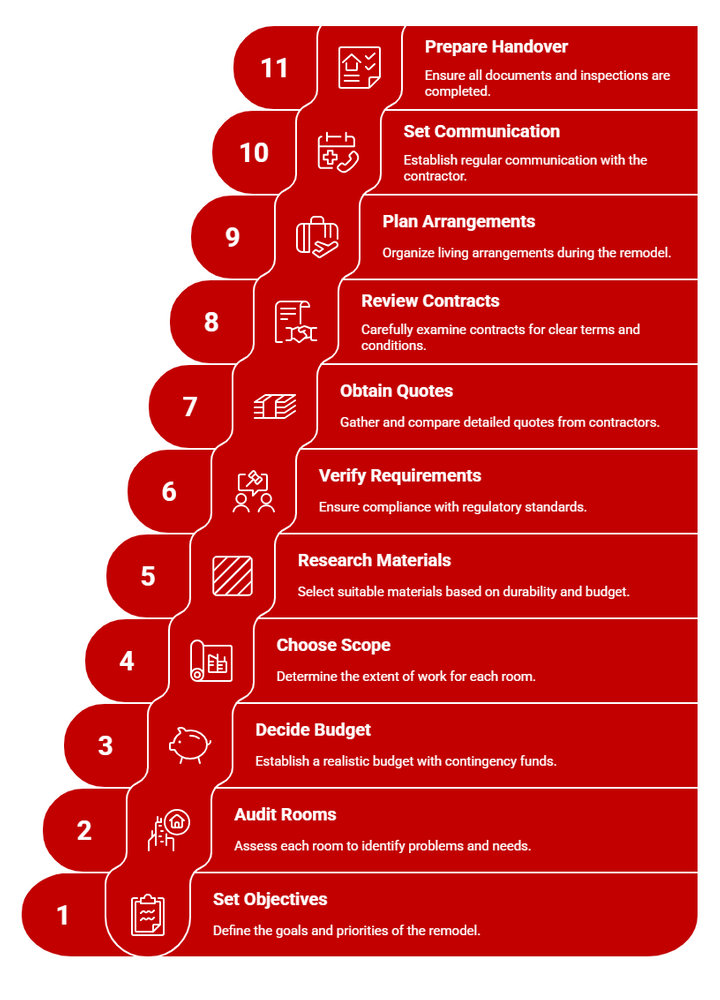
Before the work begins, a clear plan helps you stay organised and avoid costly surprises.
Step 1: Set Clear Objectives
Write down what you want the remodel to solve. Prioritise must-haves (safety, leaks, storage) over nice-to-haves (decor, accent walls). This list becomes your decision filter when trade-offs arise.
Step 2: Audit Each Room
Walk through the home room by room. Note problems, measurements, and how each space is used. Photograph areas that need work. A simple checklist prevents overlooked issues during quoting.
Step 3: Decide Your Budget Range
Decide on a realistic budget band, including a contingency of 10–15 per cent. Allocate major portions to high-impact areas such as the kitchen, bathroom, and structural repairs.
Step 4: Choose Project Scope
Classify work as basic, minor, or major. Use your audit and budget to select which rooms get which level of work. Keep scope changes to a minimum once work begins.
Step 5: Research Materials And Finishes
Shortlist materials that suit your climate, lifestyle, and budget. Consider durability and maintenance, not just appearance. Get sample swatches and compare warranties.
Step 6: Verify Regulatory Requirements
Check whether your work needs MC/JMB approval, council permits, or structural sign-offs. Confirm renovation hours and lift usage rules if you live in a strata property.
Step 7: Obtain Multiple Quotes
Gather at least three detailed quotes. Make sure each quote itemises materials, labour, timelines, and payment milestones. Compare the scope line by line.
Step 8: Review Contracts Carefully
Use a written contract with clear deliverables, timelines, warranties, and a payment schedule tied to milestones. Include a clause for unexpected findings and change orders.
Step 9: Plan For Living Arrangements
Decide whether you will stay during work. For major projects, arrange for temporary accommodation, clear fragile items, and label essential belongings to ensure their safe storage and protection. Plan safe access and storage for furniture.
Step 10: Set Communication Routines
Agree on regular site-meeting times and a single point of contact with your contractor or designer. Track progress against milestones and keep a simple photo log for each completed stage.
Step 11: Prepare For Handover And Aftercare
Request manuals, warranties, and as-built drawings before final payment. Schedule a post-handover inspection and list any snagging items for the contractor to fix.
A clear plan keeps your remodel focused and reduces the risk of unexpected delays.
How To Budget For Home Remodeling In Malaysia?

Budgeting is often the most challenging part of a remodel. Clear planning helps you avoid overspending, stay practical about your priorities, and ensure you invest where it matters most.
1. Understand Typical Cost Ranges
Renovation prices vary depending on the size of your home, materials, and the amount of labour involved. The estimates below offer a general guide:
| Type of Renovation | Indicative Cost Range (RM) (Estimated Cost) |
| Basic refresh | RM20,000 to RM30,000 or more |
| Bathroom remodel | RM5,000 to RM15,000 |
| Kitchen remodel | (no narrow range found; likely RM30,000+) |
| Full home remodel | From ~ RM150,000 (condominium) to RM220,000+ (terrace) |
These figures provide a starting point for planning your budget or requesting quotes.
2. Prioritise Essential Repairs
Focus on the must-do work first, such as waterproofing, addressing plumbing leaks, resolving electrical issues, or addressing structural repairs. These prevent future damage and should take priority over design upgrades.
3. Choose Materials That Fit Your Budget
Material prices can vary significantly. Consider options that offer durability and value, such as:
- SPC flooring
- Quartz countertops
- Soft-close cabinetry
- LED lighting
- Water-saving taps
Aim for materials that strike a balance between maintenance, cost, and long-term performance.
4. Set Aside A Contingency Buffer
Include a buffer of 10 to 15 per cent of your total budget. Hidden issues often appear once hacking begins, and having a backup plan prevents delays or unfinished work.
5. Avoid Taking On Technical DIY Tasks
Simple tasks such as painting or assembling furniture are manageable. However, electrical, plumbing, tiling, and waterproofing should be left to trained professionals to avoid costly mistakes.
6. Find Ways To Stretch Your Budget
You can reduce overall spending by:
- Selling old furniture or appliances on online platforms
- Reusing or refurbishing selected items
- Comparing material prices from different suppliers
- Choosing modular or ready-made units instead of custom carpentry
7. Compare Quotes And Check Contracts Carefully
Request at least three detailed quotations. Look for:
- Itemised scope of work
- Material specifications
- Labour charges
- Timeline and milestones
- Warranty terms
Always ensure the contract reflects everything agreed upon.
A well-prepared budget helps you spend wisely, plan confidently, and avoid unexpected financial strain during your remodel.
Instant Home Affordability Check
See your estimated monthly repayments and set your budget clearly.
Legal And Regulatory Requirements For Home Remodeling In Malaysia
Renovation work must follow the rules set by your local authority and, for strata homes, your Management Corporation (MC) or Joint Management Body (JMB). Understanding these requirements early prevents delays, penalties, and unnecessary rework.
1. Know What Requires Approval For Landed Homes
Structural changes usually need approval from the local council. This includes:
- Hacking or modifying load-bearing walls
- Extending kitchens or wet areas
- Changing the roof structure
- Adding rooms or converting spaces
- Relocating plumbing points
Most councils will require drawings prepared by a registered architect or engineer. Non-structural work, such as painting or replacing tiles, typically does not require approval.
2. Follow Rules For Strata Properties
Apartments and condominiums have stricter controls to maintain building safety and minimise disturbance. Most MCs or JMBs require approval for:
- Wet works
- Tiling or hacking floors
- Moving electrical or plumbing points
- Installing grille doors or windows
- Major carpentry or built-ins that affect common areas
Expect to pay a renovation deposit, follow fixed working hours, use designated service lifts, and comply with noise restrictions.
3. Understand What You Can and Cannot Modify
Certain elements cannot be changed without approval or engineering certification, such as:
- Structural beams or columns
- Shared plumbing risers
- Common property walls
- Gas piping systems
- Fire-rated doors and safety access points
Failing to comply with these rules may result in fines or forced removal.
4. Manage Noise And Neighbour Considerations
Most buildings enforce quiet hours and restrict heavy work to weekdays. Common requirements include:
- No drilling during lunch hours
- No work on Sundays or public holidays
- Advance notice for noisy works
- Proper debris disposal and site cleanliness
Planning noisy activities early in your timeline helps reduce friction with neighbours and avoids work stoppages.
Understanding and following the correct approvals keeps your remodel safe, compliant, and free from unnecessary complications.
Common Mistakes To Avoid During Home Remodeling
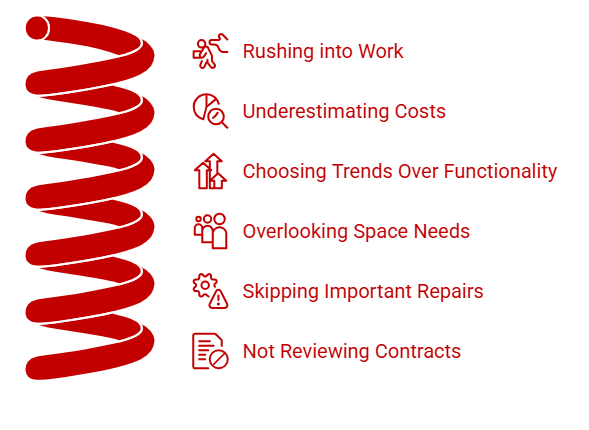
Planning and budgeting are important, but avoiding common oversights can save you from delays, unnecessary spending, and long-term issues. Being aware of these mistakes helps you manage your remodel with more confidence.
1. Rushing Into The Work Without A Clear Plan
Starting too quickly often leads to last-minute changes, cost overruns, and design decisions that do not work well together. Taking time to plan your layout, materials, and workflow upfront sets the proper foundation.
2. Underestimating Costs And Timelines
Many projects take longer and cost more than expected due to hidden defects, permit delays, and material shortages. Setting realistic expectations and keeping a buffer helps you manage surprises without halting the work.
3. Choosing Trends Over Functionality
Trendy designs may appear attractive at first, but they can age quickly or become impractical. Prioritise layouts, materials, and storage solutions that support everyday use and are easy to maintain over time.
4. Overlooking Space And Storage Needs
Poor space planning can make a home feel cluttered even after a remodel. Consider movement flow, storage requirements, and how each room is used. Built-ins, concealed storage, and flexible layouts can help maximise smaller homes.
5. Skipping Important Repairs
Updating finishes without addressing leaks, wiring issues, or waterproofing problems can cause long-term damage. Always fix structural and safety issues before cosmetic upgrades.
6. Not Reviewing Contracts And Warranties Thoroughly
Verbal agreements are not enough. Missing details in contracts or unclear warranty terms can lead to disputes or extra charges later. Ensure everything agreed upon is documented clearly.
Avoiding these common mistakes helps ensure your remodel stays on budget, on time, and aligned with your long-term needs.
Useful Tips To Maximise Your Home Remodeling Results
A remodel is a significant investment, so the right choices can help you enjoy better comfort, durability, and long-term value.
Simple adjustments in planning and design can enhance the performance of your updated home on a day-to-day basis.
1. Focus On High-Impact Areas
Certain areas make the strongest difference to functionality and comfort. Kitchens, bathrooms, and flooring see frequent use and benefit the most from thoughtful upgrades. Prioritising these spaces helps you stretch your budget effectively.
2. Improve Lighting And Ventilation
Good lighting lifts the look and feel of any room. Combine natural light with a balanced mix of task and ambient lighting. Better airflow, ceiling fans, and improved window openings also help keep your home comfortable in Malaysia’s climate.
3. Plan For Future Needs
Think about how your home should support you in the coming years. Flexible room layouts, slip-resistant flooring, wider walkways, and child-safe or elderly-friendly features make your space easier to adapt later without major changes.
4. Add Practical Smart-Home Features
Smart locks, automated switches, security cameras, and energy-efficient systems are easier to install during a remodel than after everything is completed. Choose options that simplify daily routines without adding complexity.
5. Consider Maintenance And Durability
Select finishes and materials that are easy to clean and maintain. Quartz countertops, SPC flooring, LED lighting, and water-saving fixtures offer good performance over time. Keeping warranties and maintenance guides organised helps with future repairs.
Small but thoughtful choices can make your remodel more durable, more comfortable, and better suited to your everyday routine.
What Should You Do Before Starting Your Home Remodeling Journey?
Home remodeling can feel overwhelming, especially when you are dealing with tight budgets, limited space, or older fittings that keep causing problems. A clear plan helps you avoid delays, reduce stress, and make decisions with confidence.
Start by setting realistic goals, understanding your costs, and checking the rules for your property type. These steps provide a solid foundation before you commit to any major project.
For more practical renovation tips and home improvement advice, explore the PropertyGuru Guides section.
When you are ready for your next home, browse the sales listings on PropertyGuru Malaysia.
Disclaimer: The information is provided for general information only. PropertyGuru International (Malaysia) Sdn Bhd makes no representations or warranties in relation to the information, including but not limited to any representation or warranty as to the fitness for any particular purpose of the information to the fullest extent permitted by law. While every effort has been made to ensure that the information provided in this article is accurate, reliable, and complete as of the time of writing, the information provided in this article should not be relied upon to make any financial, investment, real estate or legal decisions. Additionally, the information should not substitute advice from a trained professional who can take into account your personal facts and circumstances, and we accept no liability if you use the information to form decisions.