

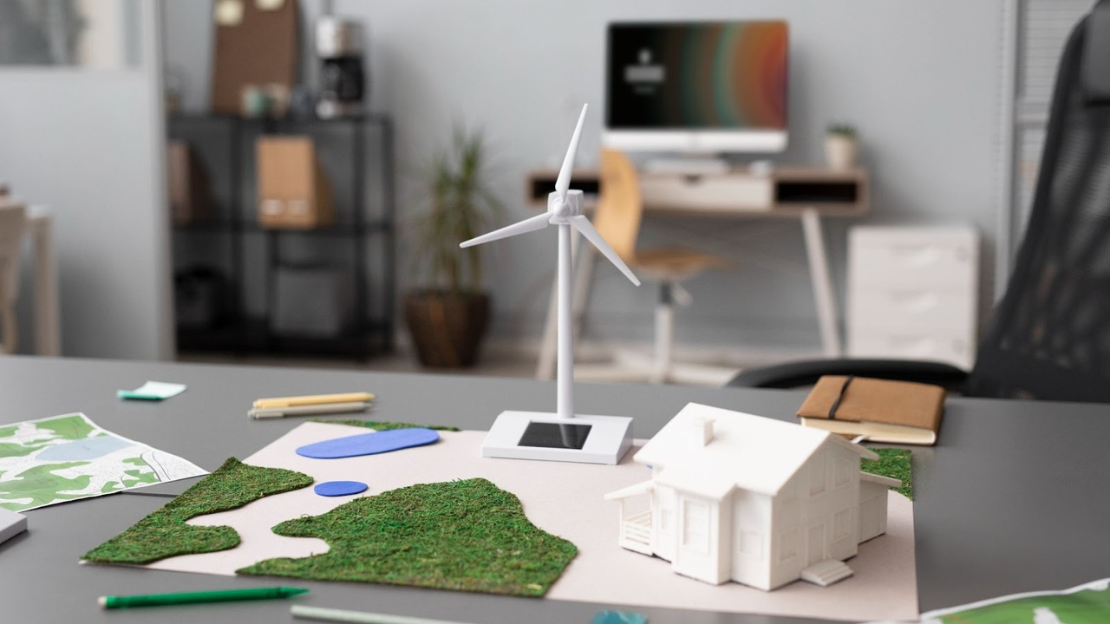
The conversation around sustainability is no longer a trend. For Malaysians, designing an eco friendly house has become a practical, future-proof response to rising temperatures, unpredictable weather, and increasing utility costs. With Southeast Asia identified as one of the regions most vulnerable to climate risks, homeowners are prioritising homes that are cooler, more efficient, and less costly to maintain.
A green home is not about giving up comfort. It is about building smarter. With updated technologies, green-certified materials, and accessible renewable energy schemes in Malaysia, homeowners now have more opportunities than ever to build sustainably in 2026.
Here is a complete guide involving top 10 trending tips to help you design an environmentally conscious home that protects both your budget and the planet.
A green home is not about giving up comfort. It is about building smarter. With updated technologies, green-certified materials, and accessible renewable energy schemes in Malaysia, homeowners now have more opportunities than ever to build sustainably in 2026.
Here is a complete guide involving top 10 trending tips to help you design an environmentally conscious home that protects both your budget and the planet.
Looking For Land To Build Your Home?
Explore available residential land across Malaysia.
What Makes an Eco Friendly House?
An eco friendly house is built to minimise energy use, reduce waste, and create a healthy indoor environment. Sustainable homes use thoughtful design, quality materials, renewable energy, and smart water strategies to reduce long-term costs and environmental impact.
In Malaysia’s tropical climate, this means focusing on cooling efficiency, natural ventilation, water conservation, and durable materials that can withstand heat and humidity.
In Malaysia’s tropical climate, this means focusing on cooling efficiency, natural ventilation, water conservation, and durable materials that can withstand heat and humidity.
10 Tips to Build Your Eco Friendly House in Malaysia
So, how do you begin your journey toward a more sustainable home? Below are 10 practical tips to help you lay the foundation for an eco-friendly lifestyle.
1. Choose Materials With A Full Lifecycle In Mind
The sustainability of your home starts with the raw materials used to build it. Long-lasting and low-impact materials reduce waste, lower emissions, and make your home healthier to live in.
What to Consider:
- Pick materials that last decades, not just years
- Choose products with low manufacturing and environmental impact
- Prioritise low-VOC (volatile organic compounds) paints and finishes
Why it Matters:
Sustainable materials don’t just reduce environmental impact; they also lower replacement and maintenance costs over the lifespan of the home.
- High-durability flooring reduces the need for frequent replacement
- Low-VOC paints improve indoor air quality for families
- Locally sourced products lower carbon emissions from transportation
Homes built with lifecycle-friendly materials remain durable, energy-efficient, and environmentally responsible from construction through everyday living.
These early choices not only reduce future maintenance costs, but also ensure that your eco friendly house remains environmentally responsible from construction through decades of everyday living.
2. Design A Controlled Indoor Climate
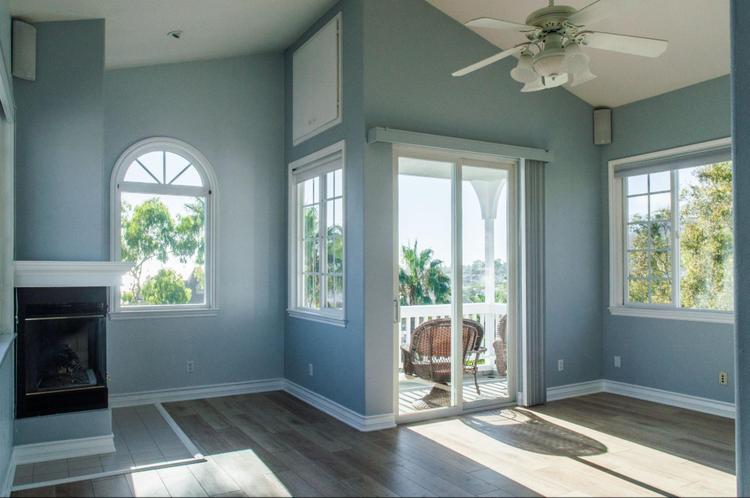
Malaysia’s tropical climate makes thermal comfort essential. A well-planned home design can keep indoor temperatures low without relying heavily on air conditioning.
What to Consider:
- Choose buildings with careful positioning of windows and doors for unobstructed wind flow
- Use well-fitted doors to prevent cool air leakage
- Regularly clean your air conditioner filters
- Paint walls with light colours to reflect heat
The right design reduces heat gain, which means lower electricity bills and a more comfortable home with less mechanical cooling.
Why it Matters:
The right design reduces heat gain, which means lower electricity bills and a more comfortable home with less mechanical cooling.
- Homes with a north–south orientation avoid harsh afternoon sun
- Tight window seals minimise cold air leakage
- Facades painted in lighter tones reflect over 80% of solar heat
These design choices directly lower your electricity consumption and reduce dependency on air conditioning. By reducing heat gain and improving natural airflow, your home stays cooler without needing constant mechanical cooling. Over time, this not only cuts utility costs but also lowers your household’s overall carbon footprint.
3. Apply Passive House Principles
Passive design is one of the most effective ways to keep your home naturally cool in Malaysia’s tropical climate. By planning your layout and orientation carefully, your home can maintain comfort without relying heavily on air conditioning.
What to Consider:
- Orient rooms and openings to maximise air circulation
- Incorporate shading devices, courtyards, or air wells
- Use materials that insulate and prevent unnecessary heat transfer
- Prioritise open layouts that encourage cross-ventilation
Why it Matters:
Passive cooling reduces dependency on air conditioning, lowering long-term energy use and improving household sustainability.
- Verandas and roof overhangs shield interiors from harsh sun
- Ventilation blocks or breeze windows direct natural airflow
- Raised floors, inspired by traditional kampung houses, allow heat to escape
Homes stay cooler naturally, saving energy and running costs while retaining the beauty and practicality of Malaysian architectural heritage.
These features help your eco friendly house stay cooler with minimal energy usage, making it easier to maintain and better suited to Malaysia’s warm climate.
New To Sustainable Living?
Read beginner-friendly guides and practical tips to start your green home journey.
4. Use Sustainable Wood
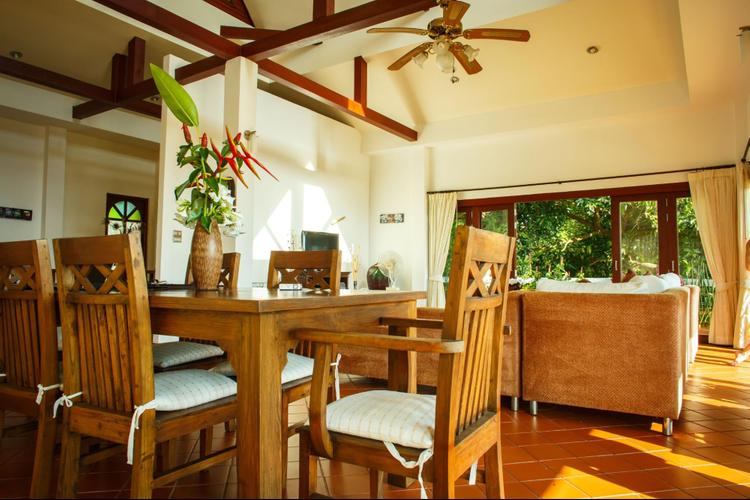
Wood is one of the most environmentally friendly materials when responsibly sourced. It brings warmth, style, and long-term value to a sustainable home.
What to Consider:
- Choose timber certified under Programme for the Endorsement of Forest Certification (PEFC) or Malaysian Timber Certification Scheme (MTCS)
- Prefer locally sourced wood to lower transportation emissions
- Use wood for flooring, furniture, cabinets, and interior features
- Consider engineered wood for added durability
Why it Matters:
Sustainable wood supports responsible forestry and can be less carbon-intensive than many traditional building materials.
- Timber flooring acts as a natural insulator
- Locally grown hardwood reduces carbon linked to import shipping
- Wooden furnishings enhance interior aesthetics while remaining eco-friendly
Choosing sustainable wood helps reduce your home’s overall carbon footprint while creating a natural, comfortable living environment.
It supports responsible forestry, enhances indoor warmth, and blends seamlessly with modern Malaysian home design. Even if you live in a condominium, you can furnish your home using sustainable wood to reduce environmental impact.
It supports responsible forestry, enhances indoor warmth, and blends seamlessly with modern Malaysian home design. Even if you live in a condominium, you can furnish your home using sustainable wood to reduce environmental impact.
5. Choose Recycled And Upcycled Materials
Recycled and upcycled materials are an affordable and creative way to decorate or build sustainably while cutting waste and supporting local green businesses.
What to Consider:
- Use reclaimed wood, recycled plastic panels, eco-tiles, or repurposed metal
- Turn old items into custom furniture or décor pieces
- Reduce household waste through responsible sorting and repurposing
- Support SMEs leading Malaysia’s green manufacturing movement
Why it Matters:
These choices reduce the demand for new raw materials, lowering strain on natural resources and decreasing landfill waste.
- Recycled plastic tiles for kitchens or bathrooms
- Old timber repurposed into dining tables or shelves
- Household separation bins for better waste management
Using recycled materials does not just reduce landfill waste; it gives your eco-friendly house character and personality. Recycled and upcycled materials help you cut waste, save costs, and support local green businesses.
6. Integrate Renewable Energy
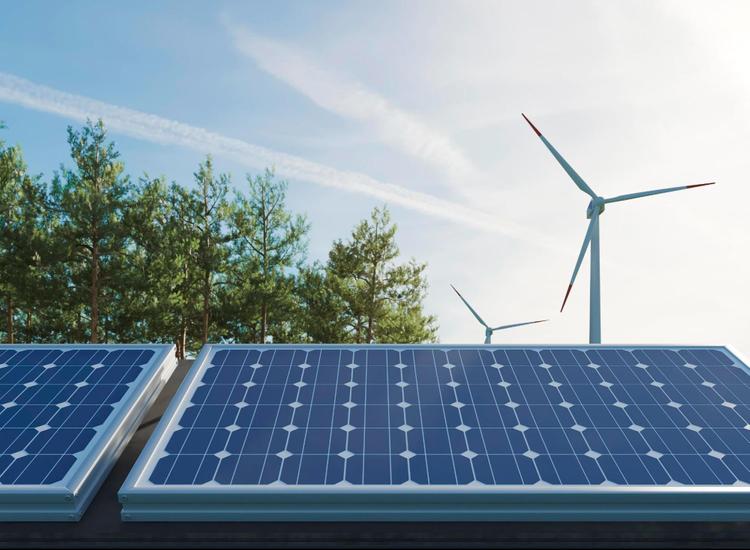
Renewable energy allows Malaysian homeowners to generate clean power while reducing dependence on the national grid. With solar technology becoming more affordable, it has become a practical upgrade for an eco friendly house.
What to Consider:
- Install solar panels
- Participate in Net Energy Metering (NEM)
- Use energy-efficient 5-star appliances
- Add battery storage systems for night use
- Consider smart inverters for smoother power distribution
Why it Matters:
Renewable energy significantly lowers electricity costs, reduces fossil fuel demand, and supports Malaysia’s long-term clean energy targets.
- Solar panels powering major household loads
- Solar batteries storing excess daytime energy
- Smart meters tracking grid usage and solar generation
- Using high-efficiency appliances to reduce overall load
Renewable energy gives your home a cleaner and more stable power source, especially in the long run. It is a practical step that supports cleaner living and helps your eco friendly house run more smoothly.
7. Optimise Water Usage
Improving water efficiency reduces waste, lowers utility bills, and helps homeowners manage Malaysia’s seasonal rainfall and occasional supply disruptions.
What to Consider:
- Install rainwater harvesting tanks for gardening or cleaning
- Use dual-flush systems and low-flow showerheads
- Choose water-efficient front-load washing machines
- Add drip irrigation systems for gardens
- Consider greywater recycling for reuse in flushing or landscaping
Why it Matters:
Every litre saved reduces household water demand and helps communities use the national water supply more responsibly.
- Rainwater tanks supplying garden hoses
- Stormwater reused for flushing toilets
- Kitchen and bathroom fixtures designed for low consumption
- Automated drip irrigation promotes healthier plants with less water
Sustainable water habits lower costs, reduce stress on water infrastructure, and make homes more resilient during dry periods or unexpected disruptions.
8. Create Rooftop Or Balcony Gardens
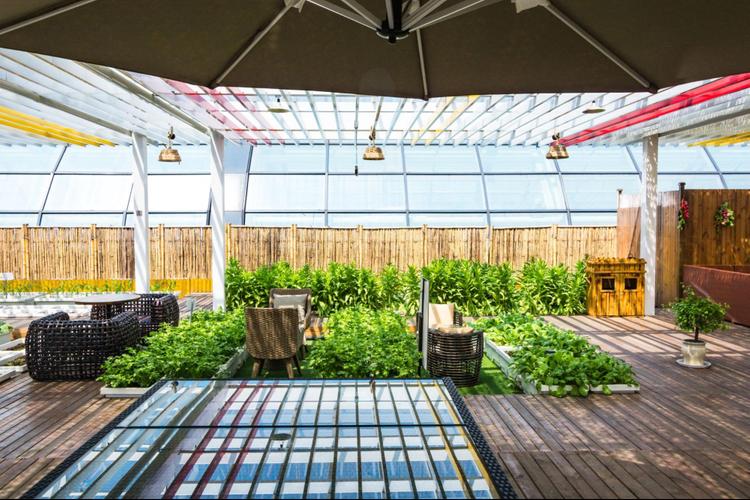
Turning unused rooftop or balcony areas into green spaces adds natural cooling, purifies the air, and brings life to high-rise Malaysian homes.
What to Consider:
- Install rooftop vegetation for insulation and cooling
- Set up balcony planters, vertical gardens, or potted herbs
- Use local low-maintenance plants suited to Malaysia’s climate
- Add simple irrigation systems to reduce maintenance effort
Why it Matters:
Green areas lower indoor temperatures, improve urban air quality, and introduce natural elements into compact living spaces.
- Rooftop herb gardens that reduce surface heat
- Vertical green walls in condos
- Small balcony farms growing sawi, kangkung, lemongrass, basil, or kailan
- Urban gardens supported by drip irrigation systems
Rooftop and balcony gardens offer cooling, cleaner air, and simple homegrown produce. With the right plants, you can turn any outdoor space into a useful green feature that supports an eco friendly house effortlessly.
Not Ready To Buy Yet?
Find affordable rental homes that suit your lifestyle.
9. Improve Lighting Efficiency
Good lighting design helps your eco friendly house use less electricity while staying comfortable throughout the day. By combining natural daylight with efficient fixtures, you reduce energy waste and create a brighter living environment.
What to Consider:
- Maximise natural sunlight through home orientation
- Install LED bulbs for lower long-term energy use
- Use motion sensors or timers to avoid wasted lighting
- Pair open layouts with reflective colours for better light distribution
Why it Matters:
Lighting is one of the easiest home features to optimise, instantly reducing electricity use and greenhouse emissions.
- South-east facing living spaces receiving soft daylight
- LEDs lasting longer and consuming less than CFL or incandescent bulbs
- Timed outdoor lights for security without energy waste
- Lighter wall colours brightening interiors without artificial lighting
Good lighting design also supports better moods, healthier sleep patterns, and a more comfortable home environment. With the right setup, your eco friendly house feels brighter, calmer, and easier to live in every day.
10. Build A Smart, Connected Home
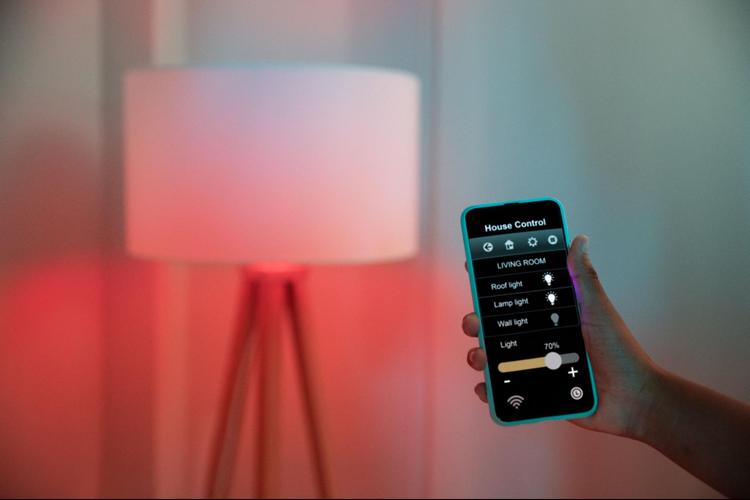
Smart home technology helps you save energy without much effort. With automatic controls and live updates, your home can manage things on its own to stay efficient and comfortable.
What to Consider:
- Install smart air-conditioning systems
- Use occupancy sensors for lights and fans
- Track energy use through mobile apps
- Integrate AI energy monitors for automated adjustments
- Combine smart systems with solar power for better efficiency
Why it Matters:
Smart homes ensure efficient energy use without relying on constant manual control, making sustainability easier for busy lifestyles.
- Lights turning off automatically when rooms are empty
- Smart thermostats adjusting cooling based on usage patterns
- Mobile dashboards showing real-time electricity consumption
- Automated window blinds reduce afternoon heat gain
As these systems learn your patterns, they help you avoid wasted energy and lower your monthly bills. Over time, even small automations can create meaningful savings while keeping your home comfortable and eco-friendly.
Pros and Cons of Eco-Friendly Homes
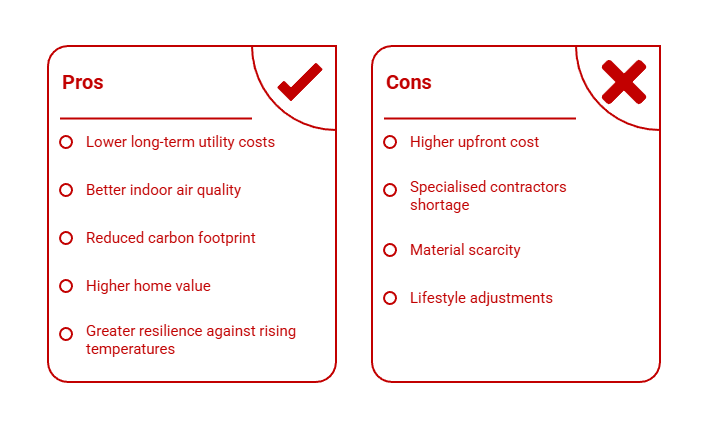
Building an eco-friendly house comes with many advantages, but it also requires careful planning. Understanding both the benefits and challenges helps you decide whether this type of home truly suits your budget, lifestyle, and long-term goals.
Pros:
- Lower long-term utility costs
- Better indoor air quality
- Reduced carbon footprint
- Higher home value and market appeal
- Greater resilience against rising temperatures
Cons:
- Higher upfront cost
- Limited supply of specialised contractors
- Some materials may not be readily available
- Lifestyle adjustments may be necessary
Eco-friendly homes offer meaningful savings, comfort, and sustainability, but they also demand higher initial investment and thoughtful choices. By weighing the pros and cons, you can make a confident, practical decision for your future.
How To Start Building One in Malaysia?
Not every Malaysian can build a fully zero-carbon home. But every small step matters. Whether you are constructing a home from the ground up or improving your existing home, start with changes that fit your budget and lifestyle.
Simple upgrades include:
- Switching to LED lighting
- Adding balcony plants
- Installing a rainwater harvesting system
- Choosing appliances with high energy ratings
- Buying eco-certified materials
Bigger upgrades include:
- Solar panels
- Home battery storage
- Smart cooling systems
- Passive design renovations
A greener home doesn’t have to happen all at once. Start small, upgrade at your own pace, and choose changes that suit your lifestyle. Every step brings you closer to an eco-friendly home.
Start Greening Your Home Today
A sustainable home is built through steady progress, not overnight transformation. By choosing upgrades that match your budget, location, and lifestyle, you can reduce energy use, improve comfort, and create a healthier living environment. Whether you begin with small steps like LED lighting and greener appliances, or invest later in solar power and passive design, each improvement adds long-term value.
Over time, these decisions help you live more responsibly while shaping a truly eco friendly Malaysian home.
Planning to buy a home soon? Explore green-certified developments, compare features, and find a property that matches your sustainability goals. Browse sales listings on PropertyGuru.
Disclaimer: The information is provided for general information only. PropertyGuru International (Malaysia) Sdn Bhd makes no representations or warranties in relation to the information, including but not limited to any representation or warranty as to the fitness for any particular purpose of the information to the fullest extent permitted by law. While every effort has been made to ensure that the information provided in this article is accurate, reliable, and complete as of the time of writing, the information provided in this article should not be relied upon to make any financial, investment, real estate or legal decisions. Additionally, the information should not substitute advice from a trained professional who can take into account your personal facts and circumstances, and we accept no liability if you use the information to form decisions.