

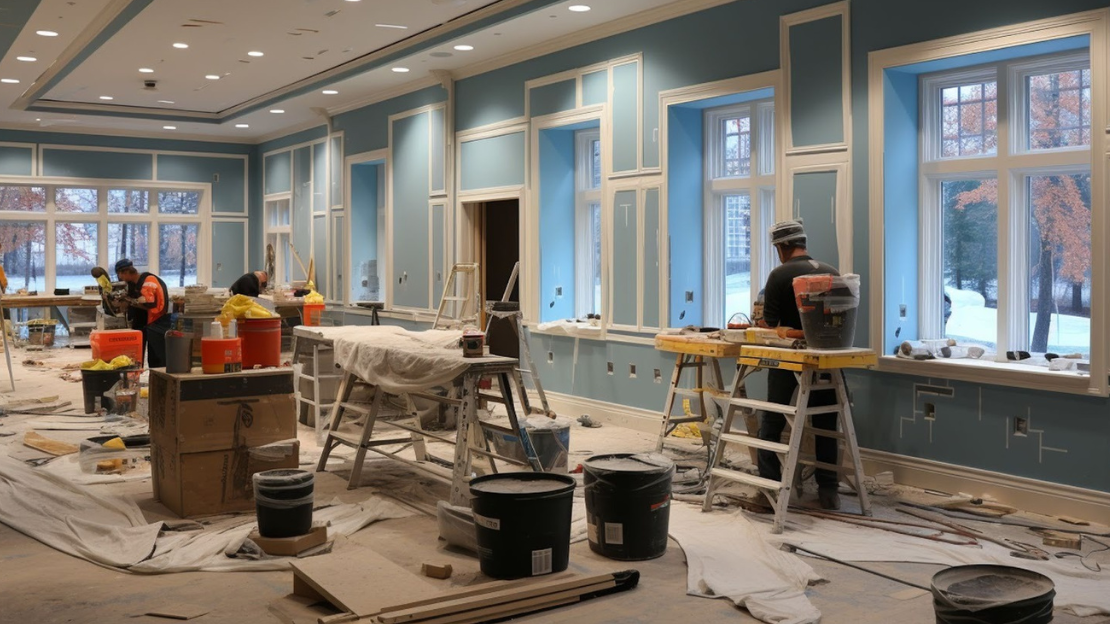
Renovating a home should feel exciting. Many homeowners in Malaysia, however, find themselves overwhelmed once renovation costs begin to add up. Prices for materials and labour have increased in recent years.
Subsale and older homes often need more work than expected, especially when plumbing or electrical issues surface only after hacking begins. Without a clear renovation budget, it is easy to overspend and run out of funds before the project is complete.
If you are planning a home renovation Malaysia in 2026, understanding how to budget wisely is essential. A well-planned budget helps you prioritise what matters, decide where to spend and where to save, and avoid stressful financial surprises.
This guide explains how to plan your renovation budget confidently, what influences costs, and how to keep your renovation on track from start to finish.
Home Loan Tools
Plan your budget confidently. Estimate monthly repayments and understand what you can comfortably commit.
Home Renovation Malaysia: Why Budget Planning Matters More In 2026
Renovation costs in Malaysia have changed a lot in recent years. Many homeowners begin renovations with a clear idea of what they want, but they are surprised when the actual costs turn out to be higher than expected. Materials and labour prices have increased, and renovation projects often face delays. Without a proper budget, it is easy for spending to get out of control.
Homeowners also face issues with subsale and older properties. Problems such as wiring issues, plumbing leaks, and weak waterproofing often only surface after work begins. These repairs are unavoidable and can consume a large part of the budget if not planned early.
Common renovation challenges faced by Malaysian homeowners
Here are some challenges that many homeowners commonly face during renovation:
- Costs increase halfway through due to hidden repairs or design changes.
- Contractors provide quotations that are hard to compare and understand.
- Renovation takes longer than expected, affecting move-in or rental plans.
- Overspending on design before fixing essential structural issues.
Budget planning is important because it helps you prepare for these challenges. A clear budget lets you focus on essential work first, decide where to spend and where to save, and avoid unnecessary financial stress.
With proper planning, renovation becomes smoother, more predictable, and aligned with your goals.
Home Renovation Malaysia: Typical Cost Ranges You Should Know
Before planning a renovation budget, it is important to understand how renovation costs can vary in Malaysia. There is no fixed price for renovation because every home is different.
The amount you spend depends on the type of property, the size of the house, and the scope of renovation. Subsale and older homes usually need more work and therefore cost more than newer units.
Different renovation goals also lead to other cost levels. A light refresh focuses on improving appearance and comfort. A moderate renovation upgrades the main functional areas, such as the kitchen and bathrooms. A complete renovation involves layout changes, hacking, rewiring, or major waterproofing work.
Here are the main factors that influence how much homeowners typically spend:
- Type of home: high-rise units, terrace houses, semi-detached houses, and bungalows each have different cost levels.
- Scope of work: cosmetic updates cost far less than full structural or wet works.
- Age and condition of the property: Older homes often require deeper repairs.
- Quality of materials and finishes: basic, mid-range, or premium choices make a big difference.
- Number of rooms and total floor area: bigger spaces require more labour and materials.
Understanding these elements helps you estimate a realistic range before speaking to contractors. It also allows you to decide what is achievable within your budget, and whether you need to adjust the scope of work or complete renovation in phases.
Renovation Cost Reference Table for Malaysia
Understanding the typical cost range helps you plan your renovation more accurately. Here are the estimated renovation costs in Malaysia.
Basic / Light Renovation (1,000–1,500 sq ft high-rise)
RM20,000–RM30,000
Basic fixtures, painting and minor wet works
Medium Renovation (1,000–1,500 sq ft high-rise)
RM31,000–RM60,000
More complete wet works, flooring upgrades and basic cabinets
Full Renovation (Complete) – Condominium
Around RM150,000
Kitchen, bathrooms, flooring, carpentry, wiring and layout adjustments
Full Renovation (Complete) – Terrace House
From RM220,000
Full wet works, carpentry, wiring, plastering and structural adjustments
Full Renovation (Complete) – Semi-Detached Home
Around RM300,000
Extensive works, multiple wet areas and larger space
Full Renovation (Complete) – Bungalow
Around RM400,000
Full custom renovation for a large footprint
Moderate Renovation Starting Point
Around RM30,000
Typical moderate renovation start
Moderate Landed Renovation Starting Point
Around RM50,000
Larger areas, wet works and basic carpentry
Low-Budget Category
RM20,000–RM30,000
Entry level improvement
Average Renovation Category
RM31,000–RM60,000
Standard renovation works
High Budget Category
RM60,000+
Includes full restructuring works
Per-Component Cost Breakdown
Renovation costs vary depending on the type of work involved. The table below shows typical price ranges for major renovation components.
| Component / Material / Work Type | Estimated Price Range |
| Flooring (SPC) | Around RM9 psf installed |
| Vinyl / Laminate Flooring | Around RM8–RM11 psf |
| Tiles (standard quality) | Around RM17–RM24 psf |
| Marble / Solid Wood Flooring | Around RM45 psf |
| Electrical Points (13A) | Around RM100–RM150 per point |
| Ceiling Lighting Point | Around RM65–RM90 per point |
| Downlights | Around RM90–RM150 each |
| Water Heater | Around RM220 each |
| Toilet Bowl | Around RM250–RM380 each |
| Sink / Tap | Around RM180–RM300 each |
| Rain Shower | Around RM250 each |
What Factors Influence Your Renovation Budget In Malaysia?
Many elements affect how much you will spend on renovation. Understanding these factors helps you plan your budget more accurately and avoid unexpected costs later. Here are the main factors to consider when estimating your renovation spending.
1. Size Of The Property
Larger spaces require more labour and materials. More rooms also mean additional electrical points, flooring, and carpentry work, which increase the total cost.
2. Scope Of Work
Cosmetic upgrades like painting are affordable. Structural or wet work, such as hacking, tiling, waterproofing, rewiring, and plumbing, costs significantly more.
3. Age And Condition Of The Home
Older and resale homes often need repairs to existing systems. Issues such as damaged wiring, rusted pipes, or waterproofing failures add unexpected costs.
4. Type Of Property
High-rise units, terrace houses, semi-detached homes, and bungalows require different renovation approaches. Landed homes usually involve more work and a higher budget.
5. Quality Of Materials
Basic finishes are cost-effective. Premium surfaces like solid wood, quartz, and high-end tiles can quickly increase the budget. Choosing wisely prevents overspending.
6. Design And Customisation
Simple layouts cost less. Custom carpentry, built-ins, or complex design details require skilled labour and specialised materials.
7. Labour And Contractor Experience
More experienced contractors may cost more, but they usually provide better project management and quality. Cheaper labour may lead to rework later.
8. Changes During Construction
Last-minute changes to layout, materials, or design often result in additional labour and materials. These changes can delay completion and increase costs.
9. Approvals And Permits
Certain renovations, especially in strata high-rise properties, require management approval. Approvals, hacking permits, or debris removal fees affect costs.
10. Appliances, Furniture, And Fixtures
Many homeowners forget to include fittings, lighting, appliances, and furniture in the renovation budget. These items can account for a large portion of the total cost if not planned early.
A clear understanding of these factors helps you build a realistic renovation budget and make better decisions before work begins.
How To Plan Your Renovation Budget Step By Step
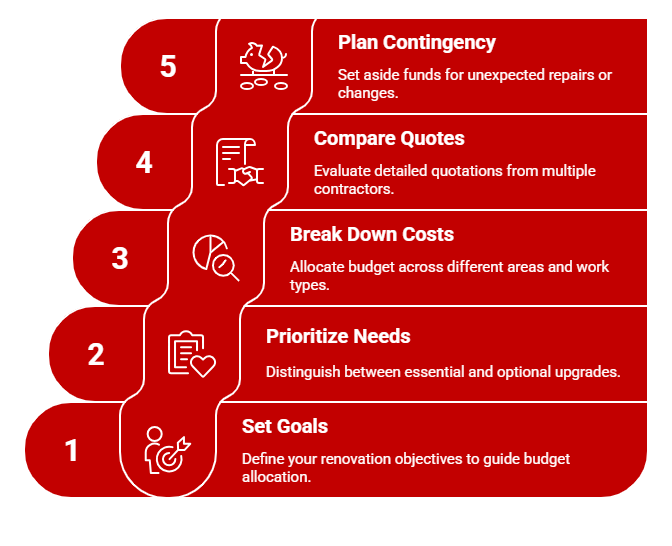
Planning a renovation budget is easier when you break it into smaller steps. A structured approach helps you stay in control, avoid overspending, and make informed decisions throughout the project. Here are the key steps to follow when planning your renovation budget.
Step One: Set Clear Renovation Goals
Start by deciding what you want to achieve. Are you renovating for personal comfort, rental income, or resale value? Your goals influence how much you should spend and where you should allocate your money.
Step Two: Prioritise Must-Haves And Nice-To-Haves
List everything you want to renovate. Then separate essentials from optional upgrades. Prioritising prevents overspending on design details before fixing structural or safety issues.
Step Three: Break Down Costs By Area And Work Type
Allocate your budget across the kitchen, bathroom, living area, and bedrooms. Include work such as flooring, carpentry, plumbing, electrical, and painting. This helps you see how the total budget is distributed.
Step Four: Compare Detailed Quotations
Request itemised quotations from several contractors. A clear breakdown lets you compare prices fairly and understand what is included. Avoid lump-sum quotes with no details or unclear descriptions.
Step Five: Plan A Contingency Buffer
Keep extra funds aside for unexpected repairs or design changes. A buffer protects you if costs increase later due to hidden issues, such as wiring or waterproofing.
Following these steps keeps your renovation organised and within a realistic budget. It helps you stay prepared and avoid financial stress during the renovation process.
Common Budgeting Mistakes Malaysian Homeowners Make
Many renovation problems stem from budgeting mistakes that can be easily avoided. Here are the most common renovation mistakes that lead homeowners to overspend or face delays.
1. Starting Work Without A Clear Budget
Renovation begins before the numbers are thoroughly planned. Without limits, spending grows quickly and becomes hard to control.
2. Not Prioritising Essential Repairs First
Money is spent on design elements, feature walls, and built-ins before fixing wiring, plumbing, or waterproofing. This causes higher costs later.
3. Accepting Vague Or Lump-Sum Quotations
Some quotations do not list details, quantities, or materials. This makes comparison difficult and may hide extra charges.
4. Underestimating Hidden Costs
Many do not plan for hacking, disposal fees, management approvals, or unexpected repairs in older homes.
5. No Contingency Buffer
Without extra funds set aside, any change or problem leads to stress and delays. Even minor adjustments can become expensive.
Avoiding these common mistakes helps you stay in control of your renovation budget and prevents unnecessary stress during the process.
Search Property Listings
Considering buying a new home instead of renovating? Browse sales listings to find options that suit your budget and location.
Ready To Start Planning Your Home Renovation Budget Confidently?
Renovating a home can feel overwhelming when costs are uncertain and unexpected issues appear along the way. A clear budget helps you stay in control and avoid financial stress. When you understand what drives renovation costs and plan ahead, the process becomes smoother, safer, and more predictable.
If you are thinking about renovating or buying a property with renovation potential, start by exploring homes that fit your financial comfort zone.
Looking for more renovation advice and smart property planning tips? Keep learning with PropertyGuru Guides.
Disclaimer: The information is provided for general information only. PropertyGuru International (Malaysia) Sdn Bhd makes no representations or warranties in relation to the information, including but not limited to any representation or warranty as to the fitness for any particular purpose of the information to the fullest extent permitted by law. While every effort has been made to ensure that the information provided in this article is accurate, reliable, and complete as of the time of writing, the information provided in this article should not be relied upon to make any financial, investment, real estate or legal decisions. Additionally, the information should not substitute advice from a trained professional who can take into account your personal facts and circumstances, and we accept no liability if you use the information to form decisions.