

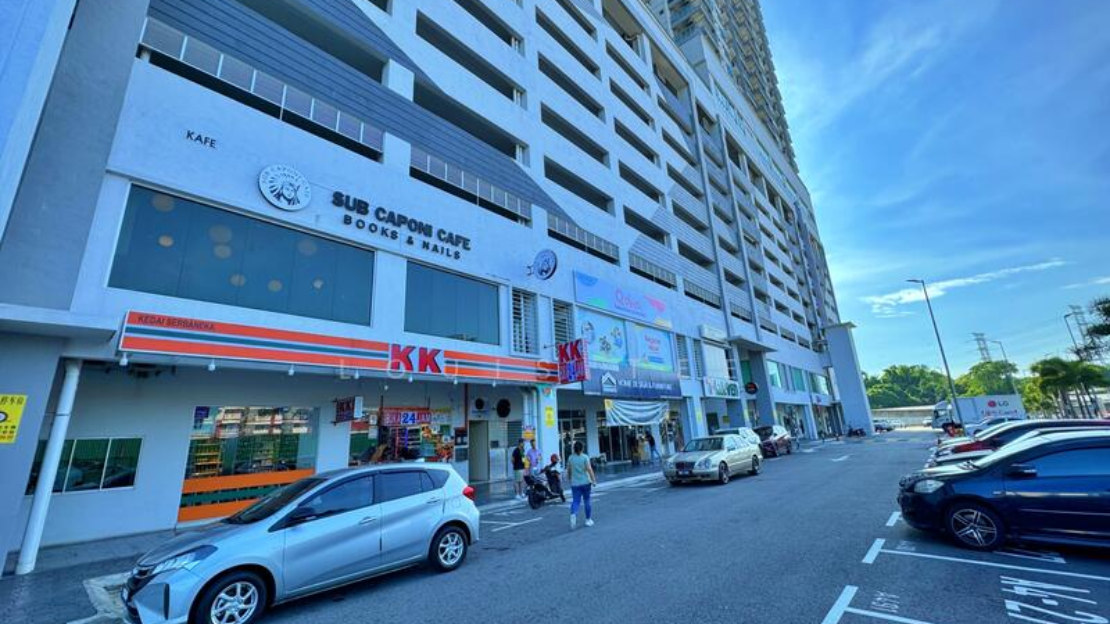
Understanding the meaning of shoplot is becoming increasingly crucial as Malaysia enters a new phase of commercial growth in 2026. With SMEs expanding, economic activity strengthening, and significant infrastructure projects such as MRT3 and the KL–SG High-Speed Rail progressing, demand for practical, well-located business spaces is rising again.
Among all commercial options, shoplots remain one of the most recognisable and versatile formats, used for retail, offices, services, and even mixed-use setups.
Whether you are a business owner exploring your first premises or an investor looking for steady long-term returns.
Getting a clear grasp of what a shoplot is and how it fits into Malaysia’s evolving market will help you make better, more confident decisions.
| Table of Contents 1. What Is a Shoplot? Understanding Its Meaning and Role in Malaysia’s Market 2. What Are the Pros and Cons of Shoplots? 3. The Current Market Trends for 2026 4. Common Pitfalls and How to Avoid Them 5. Investing in Shoplots: From Start-Up Retail to Passive Income 6. Future Outlook: Commercial Real Estate in Malaysia Beyond 2026 7. Key Locations for Commercial Investments in 2026 |
Your next rental could be a click away.
See homes that align with what you can afford.
What Is a Shoplot? Understanding Its Meaning and Role in Malaysia’s Market
A shoplot is a purpose-built commercial unit, either strata-titled or individually titled, designed principally for business use. Typically found in rows or terraces along arterial roads and within town-centre precincts, shoplots frequently combine ground-floor retail or F&B space with upper-floor office or storage areas.
In some townships, you will also see three-storey configurations that offer a mix of shopfront, office and even ancillary residential quarters above. Common locations in Malaysia include established commercial corridors such as Subang Jaya, Bandar Sunway and Bukit Mertajam, where shoplots form the everyday backbone of local commerce.
Shoplots play several practical roles in the Malaysian market: they provide visible retail fronts for small and medium enterprises (SMEs), serve as affordable office bases for professional services and start-ups, and act as steady rental assets for local investors seeking income and capital growth.
Their street-facing design and direct pedestrian access make them particularly attractive to businesses that rely on walk-in trade, such as cafés, clinics, tuition centres, salons, and convenience stores.
Key types and characteristics
Here are the main shoplot types and what sets each one apart:
- Ground-floor retail shoplots: High visibility and footfall; best suited to F&B, retail and service operators that benefit from walk-in customers.
- Upper-floor offices: Lower street exposure but often more economical to rent; commonly occupied by agencies, small practices or administrative operations.
- Corner units: Command premium rents and prices thanks to increased frontage and visibility.
- Intermediate/end lots: Vary in accessibility and price, with end/ corner lots generally more valuable.
Why do investors and business owners choose shoplots?
These factors explain why shoplots remain a popular choice among investors and business owners.
- Income potential: Regular rental demand from a diverse range of SMEs makes shoplots a reliable source of income in active precincts.
- Capital appreciation: Well-located shop lots in growth corridors or near transport nodes tend to appreciate as the surrounding neighbourhood densifies.
- Operational flexibility: Owners can assign separate levels to different tenants or occupy part of the unit themselves, offering hybrid-use options.
- Tangible asset: For many local investors, shoplots represent a familiar, hands-on form of property ownership that is simpler to manage than larger commercial complexes.
Practical considerations
Keep these practical points in mind before deciding on a shoplot investment.
- Title and zoning: Confirm whether the unit is strata-titled or individually titled and check local council zoning to ensure your intended use is permitted.
- Traffic and visibility: Footfall, parking availability and road access strongly influence a shoplot’s trading and rental prospects.
- Tenant mix and lease terms: Long leases with reputable tenants support stable yields; frequent tenant turnover can increase management overhead and expenses.
- Maintenance and management: Older shoplots may require more upkeep; factor in anticipated repair and refurbishment costs when evaluating your investment.
- Local business environment: Proximity to transportation links, anchor tenants (such as malls and bus hubs), and complementary businesses will significantly impact performance.
In short, shoplots are a versatile and widely traded asset class in Malaysia, essential to local retail ecosystems and attractive to owners seeking a blend of income and capital growth.
For prospective buyers, the best results come from careful location selection, sensible tenant screening and realistic budgeting for operational costs.
Shoplot vs Other Commercial Properties
Before we dive into the detailed comparison, it helps to understand how each commercial property type functions in practice and where shoplots fit into the broader market:
How do shoplots differ from other commercial types?
Before diving into the details, here’s how shoplots compare with other major commercial property types.
- Shoplot: Ground-floor retail with optional upper floors (office, storage, or residence if permitted). Intense street exposure and independent access; ownership may be single-title (whole building) or strata (individual floors), depending on the development.
- Strata Retail (Mall/Shopping Centre Lot): A retail lot inside a managed mall or lifestyle centre; ownership is strata title and subject to mall management, rules and service charges. Success depends heavily on mall footfall and management.
- Strata Office/Purpose-Built Office: Designed for corporate or professional use; usually in multi-storey towers with centralised services, lifts and security. Often strata titled in mixed developments.
- Shop-Office/Mixed Use (shop-office): Hybrid units that combine ground-floor retail with upper-floor office or service use. Functionally similar to shoplots but commonly marketed for business owners who need office space above retail.
- Industrial/Warehouse/Factory: Located in designated industrial zones, built for manufacturing, logistics or storage; different planning, utilities and access needs compared with retail-facing shoplots. Tenure can be freehold or leasehold and is regulated under industrial zoning rules.
Detailed Comparison Table:
Typical Title
Commercial title or single title for whole building; some developments sell individual floors as strata (varies).
Strata title (lot within a managed mall).
Strata title (office lot) or composite commercial title for the whole building.
Can be a commercial title or strata (depending on the developer); marketed as shop-office.
Commercial/industrial title; may be freehold or leasehold depending on land grant.
Typical Structure & Height
2-4-storey terraced rows or standalone blocks with street frontage.
Lot within a multi-level mall; no street frontage for the individual lot.
High-rise or mid-rise office towers with central services.
2-4 storeys: retail on the ground floor, offices/services above.
Single- or multi-storey warehouses, factories or light-industrial buildings; large floor plates.
Common Uses
Retail, F&B, clinics, salons, small office, showrooms, and last-mile logistics.
Fashion, F&B, branded retail, and kiosks rely on mall footfall and anchor tenants.
Professional services, corporate HQs, law/accounting firms, co-working.
Same as shoplot but emphasises owner-operator use (business on ground, office above).
Manufacturing, storage, distribution, cold storage, and light assembly.
Access / Visibility
Excellent street frontage and pedestrian exposure, ideal for street retail.
Limited street visibility; relies on mall signage, marketing and internal flow.
Moderate street visibility (depending on the tower); strong transport links are often expected.
Good street frontage (if at podium) or internal access (if within complex).
Designed for vehicle access (loading bays, lorries), not pedestrian retail.
Parking & Loading
On-site parking varies: many older shop lots have limited parking, while modern schemes include rear service lanes.
The mall provides common car parks and loading bays, with managed access.
Basement/multi-level parking provided by building management.
Varies, often integrated parking or shared car park.
Large loading bays, truck access and a large parking yard are typically provided.
Strata Management / Service Charge
If strata-titled: subject to maintenance charges; standalone shoplots (single title) avoid strata mgmt.
Yes, managed by a mall operator; service charges and strict tenancy rules apply.
Yes, building management enforces rules and charges.
If strata: yes; if single title: no.
Management varies; industrial parks usually have park rules and maintenance fees.
Typical Lease Length (tenant)
Commonly medium-long leases (2-5 years and up); owner-occupiers are common.
Typical mall leases are longer and more structured (3-10 years), with options and mall clauses.
Medium-long corporate leases (3-5+ years).
Similar to shoplot, owner-occupancy is frequent.
Long industrial leases (5-10+ years) are standard for manufacturers/logistics.
Land Tenure Considerations
Can be freehold or leasehold (99 years common for leasehold)—renewal/extension governed by state rules.
Typically freehold/leasehold, depending on the development, the buyer should check the strata particulars.
Varies, developers may have leasehold or freehold blocks; check the title.
Varies by project, freehold or leasehold.
Often leasehold in industrial estates, but freehold examples exist; renewals/premiums payable to the state upon lease expiry.
Typical Yield / Cashflow Profile
Often attractive rental yields vs residential (but varies by location and footfall).
Stable if well-managed and high-traffic; subject to mall performance.
Stable corporate leases, but can be affected by the office demand cycle.
Similar to shoplots, yields depend on the tenant mix and the owner’s use.
Yields depend on industrial demand and tenant covenants; long leases can provide stable cash flow.
Overall, shoplots are distinct for their street frontage and flexible retail/service uses, making them particularly suitable for owner-operators, F&B, and visually driven retail. In contrast, strata retail, offices, and industrial properties serve different business models (mall-driven footfall, professional occupiers, and large-scale operations, respectively).
When assessing any purchase in 2026, you should check the exact title (freehold vs leasehold), strata documents (if applicable), parking/loading provisions and local zoning/land-use rules. These factors materially affect value, permitted uses and future resale.
Browse commercial properties for sale.
Browse commercial properties for sale.
What Are the Pros and Cons of Shoplots?
Before investing in or operating from a shoplot, it helps to understand the real advantages and trade-offs that shape performance, tenant demand, and long-term returns:
Pros
These are the key benefits you can expect when investing in a shoplot:
- Strong Street Exposure
Direct frontage to pedestrian and vehicle traffic gives shop lots an advantage over mall units, especially for F&B, clinics, salons, and convenience retail. - Flexible Use and Fit-Out
Depending on zoning, owners can run retail, office, service-based businesses, or rent out different floors separately. - Independent Access
Each floor typically has its own staircase or entry, making it easier for multi-tenant use or owner-occupation. - Lower Service Charges (if Not Strata)
Standalone or single-title shoplots generally avoid high mall-level fees, improving net yield. - High Demand in Mature Neighbourhoods
Established commercial rows often enjoy stable rental demand, primarily if anchored by banks, clinics, and F&B operators. - Potential for Capital Appreciation
Shoplots in prime, transit-linked, or heritage areas tend to appreciate well due to limited supply.
Cons
However, it’s equally important to be aware of the potential drawbacks, like:
- Parking Limitations
Older commercial buildings often lack sufficient parking, which can affect tenant turnover and peak-hour business. - Higher Upfront Prices in Prime Areas
Well-located shop lots can be expensive, making entry for first-time investors more difficult. - Maintenance Responsibility on Owner
For single-title shoplots, owners manage building repair, façade upkeep, utilities, and structural issues on their own. - Exposure to Street-Level Competition
Unlike curated malls, shoplots depend heavily on the surrounding tenant mix and local footfall, which can vary. - Zoning and Licensing Restrictions
Some trades require additional approvals (e.g., F&B, entertainment, and medical), and not all shop lots qualify for them. - Vacancy Risk in Weak Locations
Rows without strong anchor businesses, sufficient population catchment areas, or easy access may experience more extended vacancy periods.
When weighed carefully, shoplots can be highly resilient assets, but their success ultimately hinges on location quality, tenant mix, and long-term commercial demand.
The Current Market Trends for 2025 and 2026

As Malaysia’s economy continues to stabilise post-pandemic, the commercial property market is entering a period of measured optimism. Investor sentiment has improved, with stronger fundamentals, government support for small businesses, and a visible rebound across key sectors.
From revitalised retail corridors to the steady evolution of hybrid office spaces, 2026 is shaping up to be a year of cautious yet confident growth.
Key developments shaping 2026:
- Recovery of Retail Sector: With tourism returning, prime retail shoplots in Kuala Lumpur and Penang are showing stronger yields.
- Hybrid Work Model: The demand for flexible SOHO/SOFO offices remains stable.
- Logistics & Industrial Boom: Driven by e-commerce and data centres.
- Government Push: Malaysia MADANI initiatives encourage local entrepreneurship, supporting shoplot occupancy rates.
According to JPPH’s 2024 data, commercial transactions rose by 8.2% year-on-year, underscoring renewed market confidence and improved liquidity.
While challenges such as rising construction costs and cautious financing persist, the outlook remains promising for well-located, high-quality assets backed by credible developers.
Common Pitfalls and How to Avoid Them
Even experienced investors can make missteps when navigating Malaysia’s commercial property market.
Understanding these common pitfalls can save you from costly regrets and help you make smarter, more sustainable investment choices:
- Overpaying for speculative shoplots in unproven townships.
- Ignoring maintenance costs, older units often need upgrades.
- When purchasing from unverified developers, always verify their status against KPKT’s blacklist to avoid abandoned projects.
Always take the time to verify the developer’s credibility through the official KPKT portal and ensure that all approvals, including APDL licences, are valid and up to date.
In a market that rewards diligence and informed decision-making, these preventive steps can make the difference between a risky purchase and a rewarding long-term investment.
Investing in Shoplots: From Start-Up Retail to Passive Income
Shoplots hold a distinct place in Malaysia’s property landscape, often seen as the gateway to commercial investment.
They appeal to both entrepreneurs seeking to build their brand and investors seeking consistent rental income.
- Start-Ups: Ideal for retail or café entrepreneurs seeking visibility.
- Investors: Can lease multiple floors to maximise rent.
- Franchise owners prefer established shoplot rows with high foot traffic.
Capital appreciation depends on location, tenant mix, and infrastructure quality. For instance, areas around MRT2 stations or upcoming commercial parks are expected to show steady valuation appreciation.
Ultimately, investing in shoplots combines tangible visibility with long-term income potential, making it one of the most resilient segments in Malaysia’s evolving commercial property market.
Future Outlook: Commercial Real Estate in Malaysia Beyond 2026
Malaysia’s commercial property market is projected to grow steadily as hybrid workspaces, digital trade, and logistics continue to expand.
The 2026-2030 NIMP (New Industrial Master Plan) will further strengthen manufacturing and warehousing zones, driving value to industrial and shoplot sectors.
Emerging trends include:
- Smart, tech-enabled commercial units
- Green-certified buildings
- Integrated community-centric developments
These shifts point to a more sustainable, digitally connected commercial future.
Key Locations for Commercial Investments in 2026
Malaysia’s commercial real estate market is expected to continue diversifying in 2026, driven by infrastructure upgrades, urban regeneration, and shifting business ecosystems. Investors are increasingly looking beyond traditional city cores, exploring emerging corridors that combine accessibility, workforce density, and lifestyle appeal.
These areas reflect where commerce, connectivity, and community intersect most strongly, making them the focal points for sustainable, long-term growth:
Greater Kuala Lumpur
Penang
Johor
For investors, understanding each location’s growth catalyst, zoning policies, and target market will be key to identifying where the best commercial yields lie in 2026 and beyond.
Estimate your monthly repayments with ease
Understand your financing range before you commit
Shoplot Meaning in 2026: Turning Understanding Into Smarter Commercial Decisions
Malaysia’s commercial property landscape, which spans from iconic skyscrapers to humble shoplots, continues to evolve in tandem with the country’s economic growth. Understanding the meaning of shoplots, zoning laws, and financing mechanisms enables investors to make informed, strategic decisions in the complex market.
Whether you’re expanding your business, diversifying your portfolio, or looking for long-term passive income, the key lies in location, credibility, and compliance.
Explore our latest listings and find the next big opportunity that fits your investment goals.
Keep Track of New Launches
Visit our new launches page to find the new launch project of your dreams and submit an enquiry today.

Disclaimer: The information is provided for general information only. PropertyGuru International (Malaysia) Sdn Bhd makes no representations or warranties in relation to the information, including but not limited to any representation or warranty as to the fitness for any particular purpose of the information to the fullest extent permitted by law. While every effort has been made to ensure that the information provided in this article is accurate, reliable, and complete as of the time of writing, the information provided in this article should not be relied upon to make any financial, investment, real estate or legal decisions. Additionally, the information should not substitute advice from a trained professional who can take into account your personal facts and circumstances, and we accept no liability if you use the information to form decisions.