


In the midst of the current widespread job losses, some have cut back expenses on non-essentials and gotten stricter with their savings. Others, however, have sought to diversify their income sources.
This may be the most sustainable way. Having an alternate source of money (especially at times of crisis) can act as a short-term buffer and will definitely lessen the burden of unemployment or income loss.
One of the many ways you can diversify your income stream is through property investment. Are you currently looking to invest in rental properties or are an existing property owner? Then let your property do the talking for you – moneywise.
Renting out your property may be one of the most lucrative decisions you can make as it is the most reliable and consistent source of income. Besides, the income that you receive from the rent can also be used to offset any monthly instalment on home loans.
Want more good news? Renting out your property is a good strategy for you to gain some returns on your investment. And, as most properties are an appreciating asset, its value is only bound to grow. Win-win!

How Do You Get Started On Renting Out Your Property?
1) Do Your Research and Sort Out Your Goals

If you’re planning on getting into property leasing, you need to know the market. It’s important that you find out how much other homes in your area are being rented for. Tenants tend to stay away if your property is priced too high, or too low.
While doing that, you also need to consider if you’re going to lease your property as short term or long term rental. There are pros and cons to both, and it’s important that you assess your goals and objectives when deciding what is best for you.
2) Preparing Your Property

At this stage of the process, your decisions will need to be on aesthetics and cleanliness. Before making your property available, you need to decide if it’s going to be rented as a furnished or an unfurnished unit.
A property that presents itself in a neutral way (without pictures of your mum everywhere!) would appeal better to a prospective tenant.
Presenting a clean home to your tenant is important not only for the appeal. It also sets a standard for them on how you expect your home to be kept and treated.
3) Get A Good Real Estate Agent to Market the Property

Renting out your property can be a daunting task, but you don’t have to do it alone. Get some help by hiring a reliable real estate agent.
Getting an agent to publicise and seek out tenants will save you heaps of time and effort. As a bonus, it will also give an air of professionalism to the process – gaining more trust from prospective tenants.
In addition, agents also present an unbiased and neutral view of your property. They are able to let you know of improvements that need to be done and set your expectations in terms of market pricing.

4) Screen Your Tenants

Perhaps the most important aspect to the process; making sure you pick the perfect tenant.
If possible, meet prospective tenants during the viewing. This will not only give you an idea of who they are, but also what to expect of them as tenants. First impressions can go a long way.
Running financial checks, such as income and credit checks, is important in order to gauge a tenant’s financial stability and their ability to afford the rent in the long run.
Knowing about their conduct is also essential. Getting reference checks from previous landlords will help you make an informed decision about your prospective tenant.
5) Draw Up A Strong Tenancy Agreement
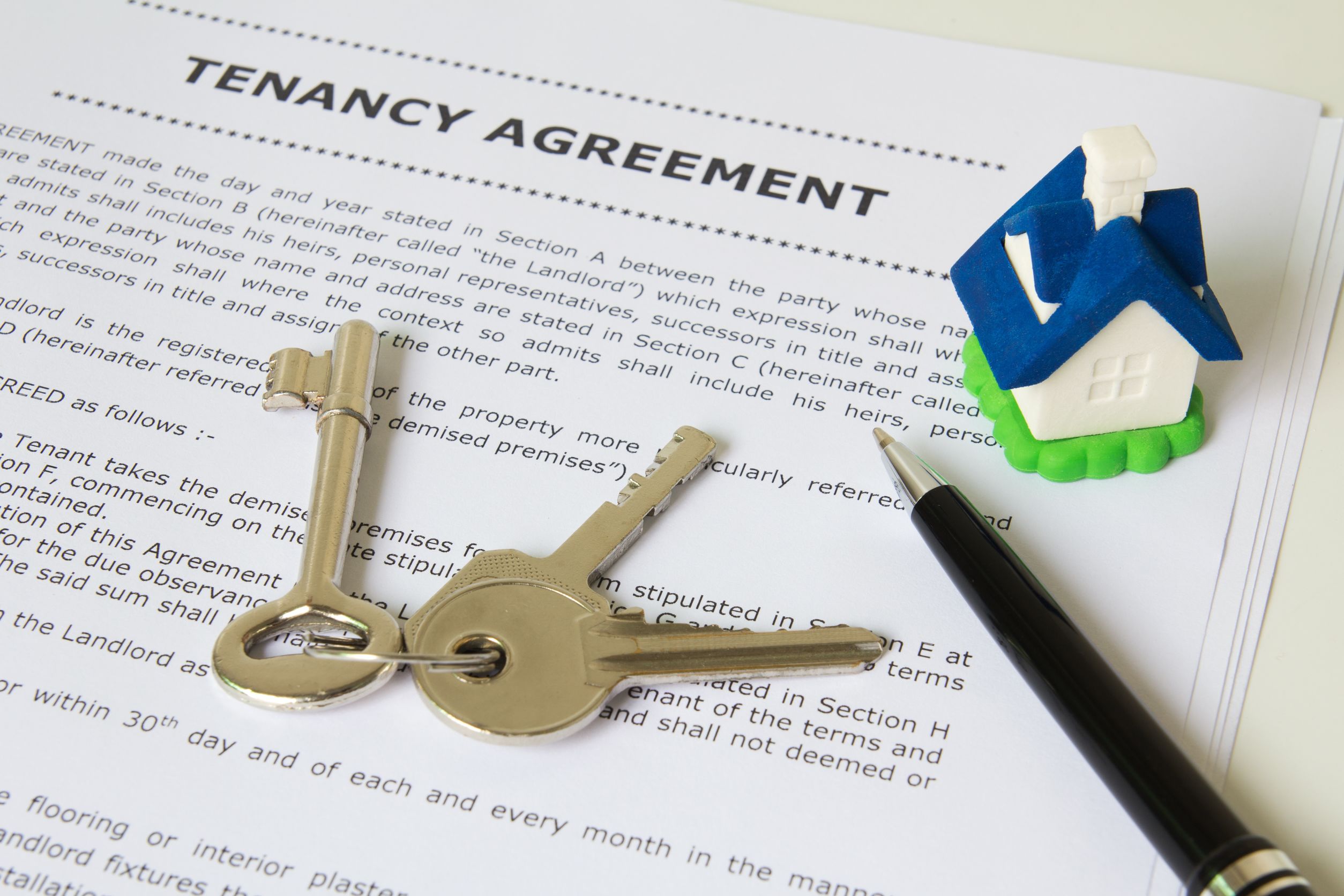
Malaysia does not have specific tenancy laws, so making sure to draw up a good tenancy agreement is essential!
A tenancy agreement is a binding contract between the landlord and the tenant (and it also serves as the sole governing document of a tenancy).
Therefore, the terms in the agreement should be based on mutual understanding by both parties. This document sets up the rules for your residential tenancy.
Your tenancy agreement should include:
- The period of the tenancy
- Renewal options
- Deposit and rental
- Mode of payment
- Details of the landlord and tenant
- Purpose of the tenancy
- Obligations of both parties
- Commencement and yield updates
- Inventory list (fixtures, fittings, etc.)
- Any special terms and conditions you may have
- GST, if applicable
6) Get Landlord Insurance

If you think this process isn’t necessary or a waste of money, think again. In order to safeguard your income and rights as a landlord, you should get landlord insurance.
Renting out your property opens you up to a fair share of risk – rental fraud, damages, runaway tenants etc. Landlord insurance will provide policies that protect you from financial losses and other unwanted situations.
7) Pre-Move in Preparations

Once you and your new tenant have agreed on all the terms of the tenancy agreement, it’s time to move in.
Here are some things you can do before the move in:
- Make sure your property is clean before you hand it over to them
- Collect the first month’s rent, security deposit (and pet fee, if applicable)
- Conduct a rental inspection with the tenant. Provide them with a copy
- Cut an extra set of keys
- Test lights, appliances, locks etc.
- Transfer utilities account to the tenant’s name
8) Handing Over Keys and Start Collecting Your Rent

And you’re done! Once you’ve gotten to this process, congratulations! You’re officially a landlord! Just remember to respect and uphold your end of the tenancy agreement!
It’s undeniable that the process of renting out your property is tedious and hectic. But remember what you gain from this process – a consistent and reliable source of income.
Also, don’t forget to check out the 6 important things you need to consider before renting out your property and your rights as a landlord in Malaysia.
Keep Track of New Launches
Visit our new launches page to find the new launch project of your dreams and submit an enquiry today.

Disclaimer: The information is provided for general information only. PropertyGuru International (Malaysia) Sdn Bhd makes no representations or warranties in relation to the information, including but not limited to any representation or warranty as to the fitness for any particular purpose of the information to the fullest extent permitted by law. While every effort has been made to ensure that the information provided in this article is accurate, reliable, and complete as of the time of writing, the information provided in this article should not be relied upon to make any financial, investment, real estate or legal decisions. Additionally, the information should not substitute advice from a trained professional who can take into account your personal facts and circumstances, and we accept no liability if you use the information to form decisions.