


The COVID-19 pandemic that began to take hold of the country in early 2020 is not the first economic crisis Malaysia has experienced.
For the past 30 years, whether it was the Asian financial crisis (1997), internet bubble (2000), SARS virus (2002-2003), or the global financial crisis (2007-2008), Malaysia has faced various degrees of economic recession.
However, many are of the opinion that the economic crisis caused by the COVID-19 pandemic and the continuous Movement Control Orders (MCOs) is the most serious in recent years.
After a long and lengthy battle against the virus and a very strict lockdown, China’s economy (where the virus first started) alone has been seeing red, with all walks of life greatly affected.
Likewise, the livelihoods of many Malaysians have been affected too, especially the youths who have just started building their career, or the fresh graduates who are trying to enter the workforce.
For the post-2000s youth, this will be their first economic crisis to mark a place in their adult life. Even so, what lessons can they (and the rest of us!) learn from this to better cope and prepare for future economic crises?
1) Your Usual Expenses Should Be Within Your Means
In a stable economy, people may tend to overspend, focusing more on wants rather than needs. For example, driving branded cars, buying luxury homes, or travelling to exotic far-off destinations.
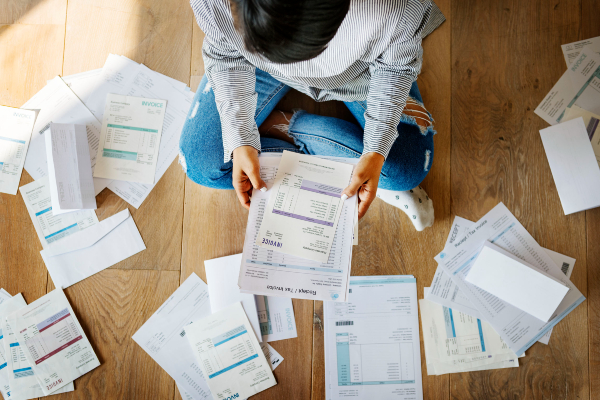
When an economic crisis hits, however, you’ll find that these forms of ‘entertainment’ now lie far beyond your affordability.
Instead of saving money, the only thing you managed to "save" back then were receipts that led to you having high credit card debts!
Along with that debt, comes the problem of not being able to service your remaining loans, and that may lead to the repossession of your car and home by the bank.
Therefore, your usual expenses should be within your affordability, especially when it comes to buying a property for the first time – don’t be overly fixated on buying your dream home!
In fact, you should first buy a property that you can afford with your current income, then gradually upgrade once your financial abilities improve in the future.
In other words, buy a home based on your current financial ability, not your future income.
If you really need to buy a property but have insufficient monthly income, you can consider applying for one of the government’s affordable housing programmes, such as the 1Malaysia Housing Program (PR1MA).
The prices of these homes generally range from RM400,000 and below, which makes them relatively affordable for low- and middle-income groups, with the unit types meeting the basic living needs.
2) Financial Management And Savings Are Very Important

In a survey previously conducted by Bank Negara Malaysia’s Credit Counseling and Debt Management Agency (AKPK), it was revealed that as many as 75% of Malaysians interviewed had savings of less than RM1,000!
What this means is, once this group of people faces a situation where their income is reduced, it will be very easy for them to fall into financial trouble and potentially face bankruptcy.
As such, it is important to develop good financial know-how and saving habits, as it will provide you with a better ability to deal with unexpected (pricey!) problems that can happen anytime.
The basics of financial management involve planning your expenses and instilling self-discipline to save money. For example, to purchase a home, we suggest following the 3-3-5 rule in property:
- 3 – Your current funds required to purchase a property must be at least 30% of the property’s price. This will ensure you have sufficient savings to cover the down payment and other expenses like legal fees, stamp duty, etc.
- 3 – Your mortgage repayments should not exceed 1/3 of your monthly salary, to ensure you have enough money for your daily needs as well.
- 5 – The selling price of the property you’ve purchased should not exceed 5 times your annual income, to ensure the property price does not exceed your financial capability.
3) A Single Source Of Income Can Be A High Risk
There are many people who live on a fixed salary, but there’s a saying "No rice bowl in the world is absolute". What this means, is that there is no guarantee your job will be secure forever.
In case of sudden unemployment or business closure, you may lose your only source of income immediately, putting you and your finances in danger.
Therefore, if you have the time, you might want to pick up some new skills to give you that extra edge like below:
- Cultivate secondary skills, part-time jobs, or have a side job to earn extra income
- Create passive income by investing in real estate (one of the most stable, long-term investment tools out there), or other assets

You can collect rent by buying and renting out property, therefore reducing the pressure on your mortgage and even earning a net monthly income. The appreciation of real estate can also bring you substantial capital gains!
Alternatively, if you don’t have much cashflow, you can consider a Real Estate Investment Trust (REIT) which allows you to step foot into the world of property investment WITHOUT having to directly own a piece of property.
The threshold to enter into REITs is relatively low (compared to other forms of investment), providing investors with a stable dividend and thus, creating passive income.
4) Always Have A Backup Plan (Plan B)
As the saying goes, always have a Plan B: Backup! In this context, a backup plan would greatly help you with the financial ability to deal with unexpected situations, like COVID-19 and the mass lay-offs.
For example, let’s illustrate some scenarios a landlord and tenant might face:

Scenario 1: What do you do if the property you’ve bought cannot be rented out? As a homeowner, you can…
- Reduce the rental rate and provide other exceptions, such as a 3-month discount to attract prospective tenants. This way, you can also reduce your losses by lessening the period of time it’s fully empty.
- Renting out rooms separately to find tenants quicker, as the rental price for a room will be lower than the whole unit, which will also prevent the entire home from being vacant.
- If the property you own has increased in price to a certain extent, you can consider selling the property to get you out of a tight financial squeeze.
Scenario 2: During the pandemic, you’re unable to pay the rent as you have no income and you’re about to be driven out by your landlord. What should you do? As a tenant, you can…
- Following the government’s deferred repayment plan (also known as the loan moratorium), you can try to renegotiate with your landlord to allow you to defer your rental payments. In return for their agreement, you could suggest an extension of the lease or a small rental increase as a condition.
- Before renting a place, be sure to specify solutions to any unexpected cases in the Tenancy Agreement you signed with the landlord, such as a grace period for late rental payments. This is to prevent the landlord from kicking you out immediately. Of course, you will also need to try your best to obtain some form of income and pay off any arrears, or look for alternative rentals if necessary.
5) Have The Courage To Seek Help When Times Are Tough

When facing financial troubles and on the verge of bankruptcy, do stop yourself from carrying out decisions without thinking them through, such as borrowing money from loan sharks to pay off your debts.
If you can’t solve your loan and debt problems, a loan shark is not the way to do it, and may even land you in bigger trouble later on! Instead, work on the problem through professional and legal methods.
In Malaysia, you can contact the Credit Counseling and Debt Management Agency (AKPK) for assistance regarding financial problems.
They are able to help you contact your bank and discuss a restructuring of your debts so that you won’t have to file for bankruptcy.
AKPK also provides consultations for loans, financial management education, debt restructuring, and other services. All of which are completely free!
In addition, our government launched the Loan Repayment Assistance as part of the National People’s Well-Being and Economic Recovery Package (PEMULIH) announced at the end of June 2021.
Under this initiative, no matter if you fall under B40, M40, or T20, as long as you apply to the bank, you will automatically receive a moratorium of up to 6 months deferred loan repayment to help you with any financial issues.
6) Lifelong Learning To Prepare For The Next Economic Crisis

Whether your job has been affected or you’re one of the lucky ones to be able to still make ends meet, one thing’s for sure: We all need to learn from the lessons above to prepare ourselves for the next economic crisis!
Take this pandemic as an example. If you’ve been diligently saving for the rainy days beforehand, you won’t need to apply for moratoriums or debt restructuring this time, as you can rely on your savings.
In fact, you can even enjoy various government policy benefits, such as the Home Ownership Campaign (HOC) and exemptions from stamp duty on buying property.
As it is currently a buyer’s market (you are in a good position to negotiate on the selling price and/or freebies!), you can take this opportunity to make the arrangements for your next real estate investment!
Related Guides:
-
Should You Buy A HOC Project? Consider These Pros And Cons
-
4 Simple Steps To Use Your EPF Money To Buy A House in Malaysia
-
Applying For A Housing Loan In Malaysia: 6 Important Things To Know
Keep Track of New Launches
Visit our new launches page to find the new launch project of your dreams and submit an enquiry today.

Disclaimer: The information is provided for general information only. PropertyGuru International (Malaysia) Sdn Bhd makes no representations or warranties in relation to the information, including but not limited to any representation or warranty as to the fitness for any particular purpose of the information to the fullest extent permitted by law. While every effort has been made to ensure that the information provided in this article is accurate, reliable, and complete as of the time of writing, the information provided in this article should not be relied upon to make any financial, investment, real estate or legal decisions. Additionally, the information should not substitute advice from a trained professional who can take into account your personal facts and circumstances, and we accept no liability if you use the information to form decisions.