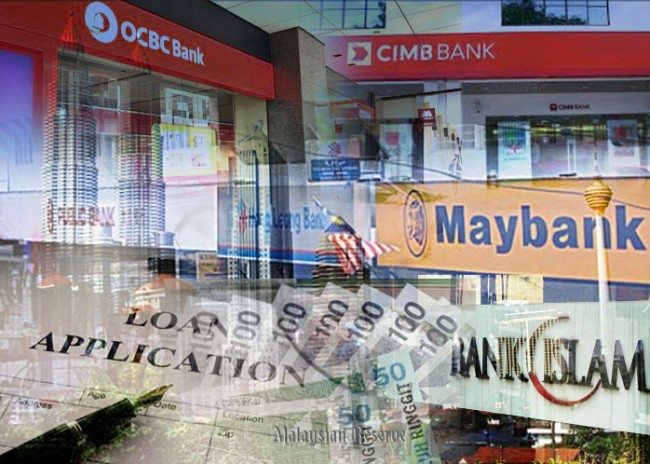
The Association of Banks in Malaysia (ABM) has slammed accusations that the wording of loan contract between apartment buyers and commercial banks are oppressive.
It explained that banks are required to present documents such as agreements, contracts and policy documents in plain language to make it easy for readers to understand.
“In instances where the use of legal and technical terminology cannot be avoided, the meaning of these terminologies would be explained or printed in a glossary for reference,” it said.
“Thus, while there are different types of loan documentation applicable for housing loans, there are adequate rules to ensure the interests of the borrowers are protected.”
ABM made the statement after Parti Sosialis Malaysia (PSM) Secretary-General A Sivarajan reportedly urged Bank Negara Malaysia to review the wording of loan contracts between apartment buyers and commercial banks to prevent oppression.
Aside from this, banks are also required to have proper processes in place, including providing sufficient notice before taking any action against defaulted property loan borrowers.
“Our member banks are required to adhere to the standards set by the regulator in relation to the recovery of properties in default to ensure that it is made in a responsible manner. Banks are also required to engage with borrowers early for alternative repayment arrangements,” it said.
Once banks detect signs of repayment difficulty, they are required to engage in early discussions with customers toward alternative repayment measures in order to address financial difficulties.
“Banks must make reasonable efforts to offer an alternative repayment plan that is appropriate to a customer’s changed circumstances and financial situation with the aim of resolving genuine repayment difficulties of the customer,” it said.
“They must also give adequate information for the customer to understand the implication of any proposed repayment arrangement including possible recovery actions if the customer continues to default such as legal and foreclosure proceeding.”
Foreclosure on the property of customers, regardless of type, may only be initiated once other reasonable attempts by banks to arrive at a resolution have been unsuccessful, which include the conduct of customers of their own private sale, said ABM.
Image sourced from Malaysian Reserve.
This article was edited by the editorial team of PropertyGuru. To contact them about this or other stories email editorialteam@propertyguru.com.my
For the latest property news, trends, resources and expert opinions, visit our Property News section. Home buyers, sellers or property renters looking for Malaysian Properties, may like to visit the New Launches or Project Reviews page.