By Property Report
Of the many infrastructure projects gaining traction in Bangkok, the Bang Sue Grand Central Station will probably be the most impactful.
With 26 platforms, it is poised to be the largest railway station in the ASEAN region. Replacing the current transport hub at Hua Lamphong, the project will effectively redevelop the existing Bang Sue Junction Railway Station while integrating the Bang Sue MRT Station.
Due for completion in 2020, the under-construction project has triggered an inrush of transit-oriented development activities toward its environs, especially around the Thai capital’s formerly sleepy Taopoon district.
“The expected completion of Bang Sue Grand Central Station and railway systems will affect the demand as consumers migrate to the Taopoon-Bangsue area,” said Marciano Birjmohun, associate director at Knight Frank Thailand. “The land surrounding the station has been divided in zones which will attract new business and opportunities due to the great potential of future growth.”
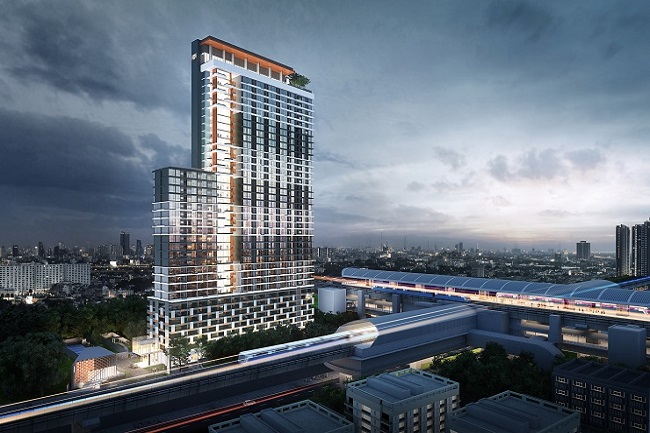
The consultancy is representing the sale of units at Niche Pride Taopoon-Interchange, a THB3.5 billion project by development firm Sena. The site sits next to the Taopoon Interchange station, an important rapid transit system hub that connects the MRT Blue and Purple lines. It is also one station from Bang Sue Grand Central, putting it at the geographic heart of Bangkok’s mushrooming transportation infrastructure complex.
More: 7 proptech trends to watch out for in 2018
“The Taopoon area will gain more traffic both for residential and commercial usage. Land prices have already gradually been growing in this district with more potential growth achievable upon completion of Bang Sue Grand Central Station,” said Birjmohun.
Around 30,200 condominium units have been added to the total accumulated supply in the Taopoon-Bangsue area from 2009 to Q4 2017, Birjmohun reported. The homes recorded an accumulated take-up rate of 90 percent.
Usage of the Purple Line has been on the upswing, and with it, demand for homes along the 23-kilometre line, which had struggled to lure passengers after its 2016 launch. “This improvement is a direct result of connecting the Blue and Purple MRT lines at one station and excluding the previous shuttle bus service. Along the Purple Line, condominium prices are still attractive for the majority of the middle class, with the convenience of transportation.”
Until the opening of the interchange in Taopoon, passengers alighting at the end of the Purple Line were forced to take a shuttle bus to the nearest Blue Line station to reach central Bangkok.
The Bang Sue Grand Central station is being developed as a smart city, equipped with a range of digital and energy-related infrastructure. Around 218 rai (35 hectares) of land around the station have been allocated to a mix of business and commercial projects.
“This would enable the improvement of the quality of life for Bangkok residents,” Birjmohun added.
This article was originally published on Property-Report.com. For more stories from Asia’s most trusted and enduring luxury real estate, architecture and design publication, visit Property-Report.com