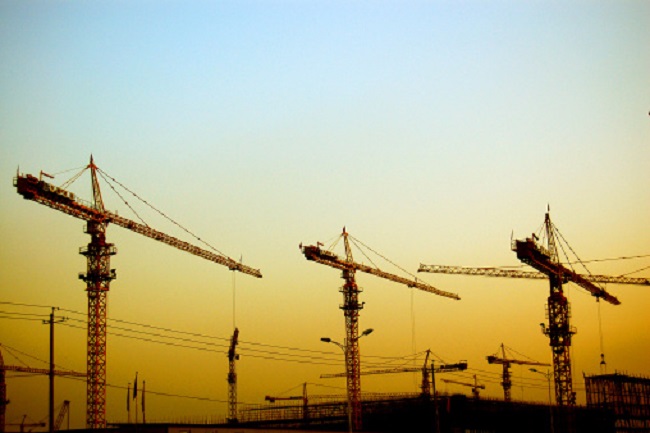
With the new Pakatan Harapan government determined to reduce national debt, construction players and companies exposed to mega infrastructure projects now faces a new reality, reported The Star.
This comes as scrapping large infrastructure projects is one of the best way of saving billions of ringgit.
In fact, the new government has already axed two mega projects – the MRT 3 and the KL-Singapore High Speed Rail.
The cancellation of the two projects, which are worth over RM100 billion so far, saw some construction stocks fall to multi-year lows.
Among the worst-hit were Gamuda Bhd, George Kent (M) Bhd and MMC Corp Bhd, said analysts. They also expect any contractor with rail exposure to be affected by the negative sentiment.
Gamuda and MRCB formed the consortium that will handle the civil works for the HSR project.
Last week, share prices of Gamuda plunged to RM3.46, its lowest since March 2013, while MMC Corp shares dropped to RM1.49, also its lowest since March 2009.
George Kent shares tumbled 67.5 percent from RM3.94 to RM1.28.
Building material players such as cement producer Lafarge Malaysia Bhd also saw its share prices drop 29.05 percent over the previous month to close at RM2.98 on 1 June.
Meanwhile, the fate of other mega projects such as the East Coast Rail Link (ECRL) and Gemas-JB double-tracking rail projects are still unknown – they could be deferred, renegotiated or cancelled.
The prospect of having major domestic infrastructure projects are also unlikely in the near term.
As such, construction companies and building material players will now have to review their strategies and explore other markets in order to sustain their order books.
The Pakatan Harapan’s plan to set a time limit for developers to complete their projects to prevent companies from hoarding land is also expected to affect the property sector.
Siva Shanker, past president of Malaysia Institute of Estate Agents (MIEA), believes that setting a timeframe for companies to develop the land may not be the best way to address the issue of high property prices.
“The state must try its best to not get involved in how businesses run their business,” he said.
“Landbanking is an important strategy for developers. If a developer buys a piece of land at arm’s length, the state should impose such limitations.”
He noted that some developers may not afford to develop the land immediately after its acquisition.
Nonetheless, Siva is confident the new government will tackle the issue in a people-centric and logical manner, based on decisions it has made over the last few weeks.
This article was edited by the editorial team of PropertyGuru. To contact them about this or other stories email editorialteam@propertyguru.com.my
For the latest property news, trends, resources and expert opinions, visit our Property News section. Home buyers, sellers or property renters looking for Malaysian Properties, may like to visit the New Launches or Project Reviews page.